
Environmental Nutrition: ‘Fibermaxxing’ Explained
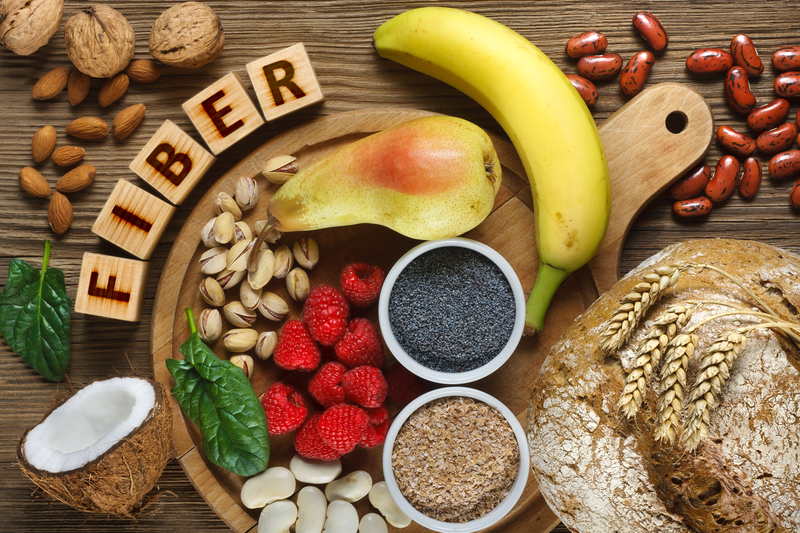
In the ever-evolving world of health and wellness, a new trend is gaining attention for its bold approach to digestive health: fibermaxxing. This practice involves significantly increasing dietary fiber intake — sometimes well beyond standard recommended levels — in pursuit of benefits like improved digestion, weight management, and overall gut health.
But what is fibermaxxing, and is it safe?
Fibermaxxing basics
The term “fibermaxxing” originates from internet wellness communities and combines the word fiber with the online slang suffix -maxxing, which implies optimizing or maximizing a specific lifestyle habit. In this case, it means consuming as much dietary fiber as possible in an effort to “max out” its health benefits.
Typical fibermaxxing routines may involve consuming 40, 50 or even more grams of fiber per day — far above the general recommendations of 25 grams for women and 38 grams for men, as set by the Institute of Medicine. Enthusiasts of this trend often use high-fiber foods, supplements, and even fiber-fortified products to reach their targets.
Why fiber?
Fiber, found in plant-based foods, is essential for maintaining a healthy digestive system. It comes in two forms: soluble fiber, which dissolves in water to form a gel-like substance and helps lower cholesterol and blood sugar; and insoluble fiber, which adds bulk to stool and promotes regular bowel movements.
Research has linked a high-fiber diet with a lower risk of chronic diseases such as heart disease, Type 2 diabetes, and colorectal cancer. Fiber also plays a key role in feeding the gut microbiome — the complex ecosystem of bacteria in the digestive tract that influences everything from immune function to mood.
Benefits of going big on fiber
Fibermaxxing advocates claim a range of benefits, including:
People often report feeling “cleaner” or “lighter,” linking this to more consistent and efficient bowel movements.
But, is more always better?
While fiber is undeniably important, consuming it in excessive quantities can come with drawbacks. Common side effects include bloating, gas, cramping and constipation — especially if fiber intake is ramped up too quickly or not accompanied by adequate water.
People with digestive conditions like irritable bowel syndrome (IBS) or Crohn’s disease may also react poorly to high fiber levels. Additionally, nutrients like iron and calcium may be less efficiently absorbed when fiber intake is extremely high.
Health experts recommend increasing fiber gradually and drinking plenty of fluids to help your digestive system adjust.
Final thoughts
As with most trends, moderation and mindfulness are key. If you’re considering increasing your fiber intake dramatically, consult with a registered dietitian or health care provider first.
(Environmental Nutrition is the award-winning independent newsletter written by nutrition experts dedicated to providing readers up-to-date, accurate information about health and nutrition in clear, concise English. For more information, visit www.environmentalnutrition.com.)
©2026 Belvoir Media Group, LLC. Distributed by Tribune Content Agency, LLC.









Comments