Why going barefoot is better for your home
Published in Home and Consumer News
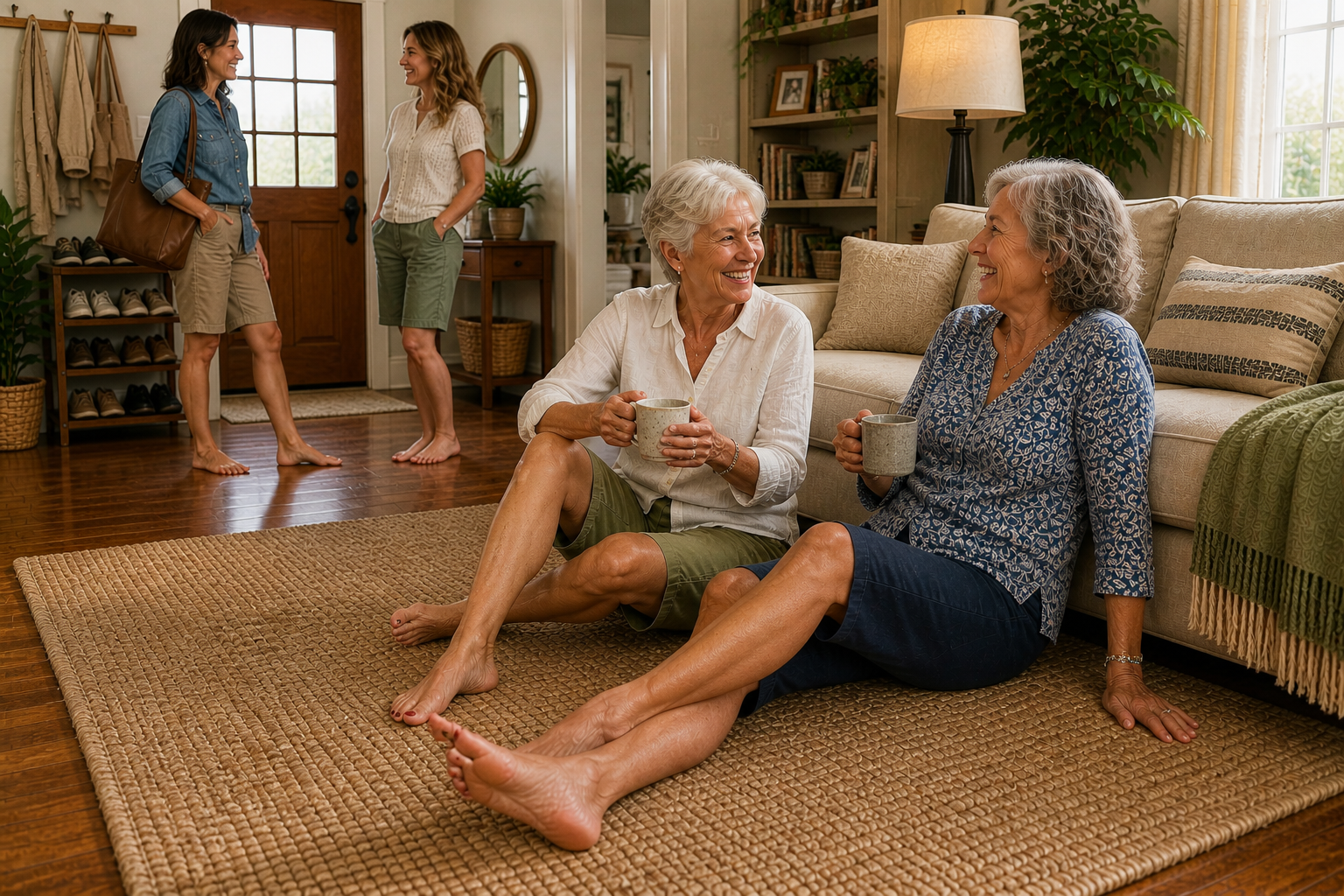
Going barefoot at home has long been a quiet, almost instinctive habit for many households, but in recent years it has gained renewed attention as people reconsider how their living spaces function day to day. From cleanliness to comfort to long-term maintenance, the simple act of removing shoes at the door can shape the entire atmosphere of a home in ways both practical and subtle.
While some see it as a cultural preference or a matter of personal comfort, experts increasingly point to measurable benefits that come with keeping outdoor footwear off indoor floors. For homeowners, renters, and families alike, the barefoot home is less about aesthetics and more about creating a healthier, calmer, and more sustainable environment.
Cleaner floors, less effort
One of the most immediate and visible benefits of going barefoot indoors is the reduction of dirt and debris. Shoes carry in everything from dust and sand to pollen, bacteria, and traces of chemicals picked up from sidewalks, parking lots, and public restrooms. Removing them at the door acts as a first line of defense against this constant influx.
Without shoes tracking in contaminants, floors stay cleaner for longer periods. This translates directly into less frequent sweeping, vacuuming, and mopping. Over time, that reduction in cleaning effort can be significant, particularly in high-traffic homes or households with children and pets.
It also changes the type of dirt that accumulates. Instead of gritty particles that scratch surfaces and embed in fibers, indoor floors tend to collect lighter, more manageable dust, making routine maintenance easier and less abrasive on materials.
Protecting flooring and furnishings
Shoes are one of the leading causes of wear and tear on flooring. Hard soles, embedded grit, and even the pressure of repeated footfalls can gradually degrade hardwood, tile, laminate, and carpet alike. High heels, in particular, can dent wood surfaces, while small stones lodged in treads can act like sandpaper.
By contrast, bare feet are naturally gentle. They distribute weight more evenly and lack the hard edges that cause micro-damage over time. This helps preserve finishes, extend the lifespan of carpets, and maintain the appearance of floors without the need for frequent refinishing or replacement.
The benefits extend beyond floors. Upholstered furniture, rugs, and even bedding are less likely to accumulate outside contaminants when shoes are kept off. In homes where people occasionally sit or lie on the floor—whether for relaxation, play, or work—this difference becomes especially noticeable.
A quieter, calmer environment
Noise is an often-overlooked aspect of home life. The sound of footsteps, particularly on hard surfaces, can echo through a house, creating a constant background of movement and activity. Shoes amplify that noise, especially those with hard soles.
Barefoot living softens it. Footsteps become quieter, less intrusive, and more in tune with the rhythms of the home. This can contribute to an overall sense of calm, particularly in multi-level homes or shared living spaces where noise travels easily.
For families with young children or individuals working from home, this quieter environment can improve focus and reduce stress. It subtly reshapes how the space feels—not just visually, but acoustically.
Health and hygiene considerations
From a health perspective, limiting what enters the home on footwear has clear advantages. Studies have shown that shoes can carry bacteria, allergens, and even trace amounts of harmful substances such as pesticides or heavy metals. While the levels may be small, repeated exposure over time can contribute to indoor air and surface contamination.
Going barefoot reduces that exposure, particularly for children who spend more time on the floor and are more likely to touch surfaces and then their faces. For households with allergy sufferers, keeping floors cleaner can also help minimize triggers like pollen and dust.
There is also a secondary benefit tied to foot health. Walking barefoot, especially on varied indoor surfaces, can encourage natural movement and strengthen muscles in the feet. While this does not replace proper footwear when needed outdoors, it can provide a more balanced range of motion at home.
Comfort and connection to space
Beyond the practical, there is an experiential aspect to going barefoot that many people find compelling. Without shoes, individuals are more directly aware of their surroundings—the temperature of the floor, the texture of a rug, the subtle differences between rooms.
This sensory connection can make a home feel more personal and lived-in. It encourages slower movement, more intentional use of space, and a greater sense of comfort. For some, it becomes part of a daily ritual: stepping inside, removing shoes, and transitioning from the outside world into a more relaxed, private environment.
In this way, the barefoot home is not just cleaner or quieter—it feels different. It becomes a place where the body can settle more naturally, without the constraints or distractions of outdoor gear.
Establishing household habits
Adopting a barefoot approach often requires small but deliberate changes in household routines. Entryways may be reconfigured to include shoe storage, benches, or mats that make it easy for residents and guests to remove footwear upon arrival.
Clear communication also plays a role. In many homes, a simple expectation—sometimes reinforced by signage or visible cues—helps normalize the practice. Over time, it becomes second nature, both for those who live there and those who visit.
For households concerned about comfort or hygiene, alternatives such as indoor-only slippers or socks can provide a middle ground. The key principle remains the same: keeping outdoor elements from spreading throughout the home.
A small change with lasting impact
While going barefoot may seem like a minor lifestyle choice, its cumulative effects are substantial. Cleaner floors, reduced maintenance, quieter living spaces, and improved indoor hygiene all contribute to a home that functions more efficiently and feels more welcoming.
In an era where people are increasingly attentive to how their environments affect their well-being, the barefoot home stands out as a simple, low-cost adjustment with broad benefits. It requires no major renovation, no specialized equipment, and no ongoing expense—only a shift in habit at the threshold.
For many, that threshold becomes a meaningful boundary: a place where the outside world is left behind, and the home is allowed to remain just that—a cleaner, calmer, and more comfortable space.
========
Leland M. Carrow is a features writer focusing on domestic life, design, and everyday behavioral shifts that shape how people live. He brings a practical, observational approach to small changes with outsized impact. This article was written, in part, utilizing AI tools.






Comments