Automotive
/Home & Leisure
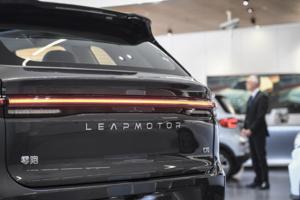
Stellantis in talks to make Chinese EVs at idle Canada plant
Stellantis NV is discussing options for building electric vehicles in Canada with its Chinese partner, Zhejiang Leapmotor Technology Co., according to people familiar with the matter, a sign of how quickly the auto industry is being reshaped after Canada opened the door to companies from the world’s largest car market.
The talks are in an ...Read more
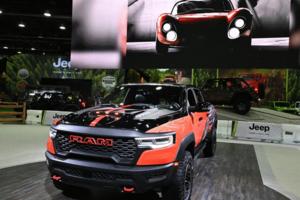
Ram boosts Stellantis sales in first quarter
U.S. sales of Jeeps, Rams, Dodges and other Stellantis NV brands altogether grew 4% year-over-year in the first three months of 2026, the transatlantic automaker said on Wednesday.
The struggling automaker has found hints of a turnaround in the United States under new leadership, positioning it for growth in 2026 after overall sales last year ...Read more
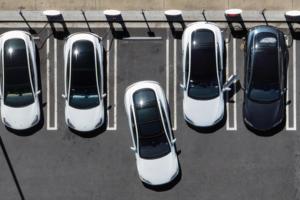
Gas prices not shifting auto sales yet, but prolonged Iran war could
The shock of high gas prices has not dampened U.S. vehicle sales — yet.
While vehicle buying so far this year has been slower compared to an unexpectedly good start to 2025, industry analysts say it will take months of high fuel prices before U.S. consumers ditch popular pickups and SUVs and begin buying smaller, more fuel-efficient or ...Read more

GM reports nearly 10% drop in sales compared to same time last year
General Motors Co. on Wednesday reported it sold nearly 10% fewer vehicles in the past three months compared to the same time last year, when sales boomed ahead of anticipated tariffs from President Donald Trump.
Spokesperson Jeff Bennett in an email said GM "expects a similar decline for the industry" and noted that "year-over-year comparisons...Read more
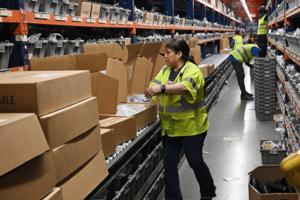
Auto parts retailer Detroit Axle braced for tariff Armageddon, but it didn't come
FERNDALE, Michigan — Nearing a year ago, the automotive aftermarket parts retailer Detroit Axle filed a notice with the state that the family-owned company would lay off more than 100 employees at its headquarters and warehouse here in response to increased tariffs.
The company braced for "Armageddon," said Mike Musheinesh, CEO of the ...Read more
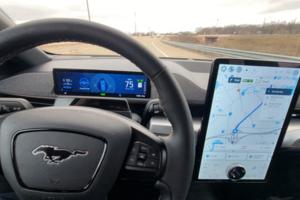
Safety board recommends changes to Ford BlueCruise after fatal crashes
The National Transportation Safety Board on Wednesday recommended changes to Ford Motor Co.'s hands-free BlueCruise automated driving system and stronger federal requirements on such technology in response to two fatal crashes.
The recommendations come amid increased scrutiny of software-controlled driving technologies, including federal ...Read more

Cost of fed oversight of UAW skyrockets as union moves from scandal
Federal oversight of the United Auto Workers has cost the union more than $25.3 million, according to an annual report released Tuesday that illustrates rising costs amid multiple investigations into President Shawn Fain and his team.
The union's annual LM-2 Labor Department filing provided an updated cost of a federal watchdog, lawyer Neil ...Read more

Jeep's latest ad play involves sex jokes and dark humor
Jeep's advertising formula has been more or less consistent over the years: lots of mud, sand and river crossings. Throw in a flapping American flag and maybe some World War II footage for good measure.
Lately, though, the brand has injected some sex jokes and dark humor — and discovered a new spokeswoman of sorts in the comedian Iliza ...Read more
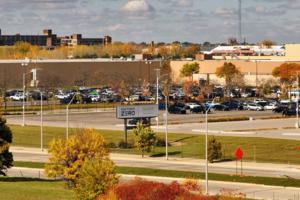
GM lays off 1,300 workers at FactoryZero EV plant
General Motors Co. temporarily laid off 1,300 workers at its FactoryZero electric vehicle plant in another sign of sluggish demand for battery-powered cars, the company confirmed Monday.
Workers at the plant on the border of Detroit and Hamtramck were laid off March 16 and are set to return April 13.
"Factory ZERO will temporarily adjust ...Read more
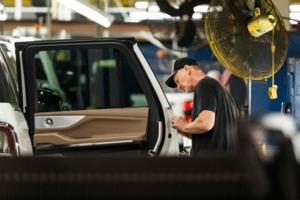
Ford, GM take steps to boost truck production
Ford Motor Co. has canceled summer shutdowns at its four plants producing F-Series pickup trucks in an effort to make up for lost volumes due to an aluminum shortage stemming from fires last fall at a supplier, and General Motors Co. is adding a production day at its heavy-duty truck plant in Flint.
Ford on Monday said its Dearborn Truck Plant,...Read more
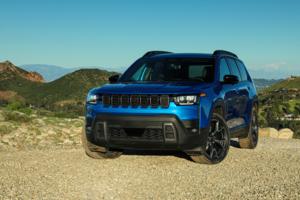
Auto review: The Jeep Cherokee returns for 2026, but in a surprisingly different way
It’s time to roll out the red carpet for an old friend, one that had quietly slipped offstage, like a graduate student who realized that bourbon is not a food group. That would be the Jeep Cherokee, which reemerges for 2026 as a — no, don’t faint — gas-electric hybrid. That’s right. A Cherokee. Hybrid.
It’s been a long trip since ...Read more
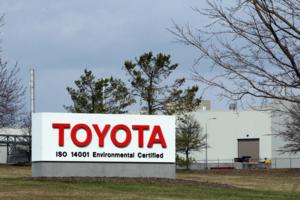
Q&A: Toyota exec Templin talks goals for 'Tesla killer' EVs
GEORGETOWN, Kentucky — Toyota Motor Corp. is coming for Tesla Inc.'s top spot in the U.S. electric vehicle market, at least according to one executive.
Mark Templin, Toyota Motor North America's executive vice president and chief operating officer, told The Detroit News in an interview following a $1 billlion U.S. manufacturing announcement ...Read more
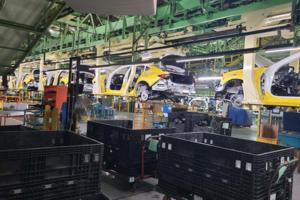
Why Honda put the brakes on its all-EV future
Honda Motor Co. is having second thoughts about its Second Founding.
Along with General Motors Co. and Volkswagen AG, the Japanese automaker has been the most committed major legacy automaker to an all-electric vehicle future. Internally called the “Second Founding,” Honda’s electric vehicle transition was rooted in the company’s moral ...Read more
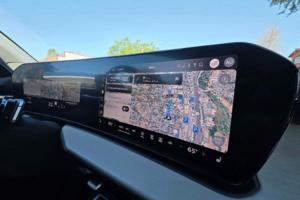
As carmakers shift to digital dashboard, lawmakers push to keep AM radio
Randy Brooks will never forget the day he had to break the news — live on the air — to a woman that her husband had perished in a tornado.
The KIXQ country music radio host had been tapped to help with 24-hour news coverage in the wake of a massive tornado that decimated Joplin, Missouri, in 2011. With electricity and communication grids ...Read more
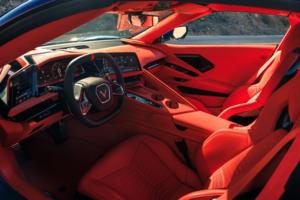
Unsheathed: The Corvette Grand Sport is back, badder than ever
The mid-engine Corvette didn’t forget about the Grand Sport.
Chevrolet’s eighth-generation supercar has broken the mold since the sheets were taken off the 2020 model year Stingray. First ‘Vette with the engine amidships. First electrified Corvette. First with all-wheel-drive. First 8,000-RPM, screaming, overhead-cam V-8 derived from the ...Read more
Jeep will show off these five concepts at Moab off-roading festival
Jeep has brought five concept vehicles to the red rock testing grounds of Moab, Utah for next week's Easter Jeep Safari.
In its 60th year, the Safari usually draws around 20,000 off-roading enthusiasts — and a couple thousand customized Jeeps — each spring to the southern Utah town of 5,000 residents. Throughout the week they prowl dozens ...Read more
Ford CEO Farley's 2025 pay rose on quality, software results
DETROIT — Ford Motor Co. reported the value of CEO Jim Farley's 2025 compensation package as $27.5 million — up 11% from 2024's $24.9 million.
The total package that Farley, 63, earned in 2025 included an unchanged base salary of $1.7 million and lower stock awards. The package value's increase was attributable to a higher bonus from ...Read more
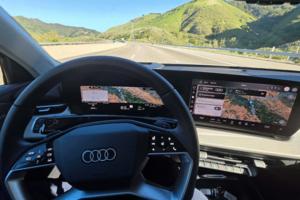
Auto review: Multi-talented Q3 a welcome mat to Audi brand
SAN LUIS OBISPO, Calif. — This year Audi debuted its $16 million (estimated), 1,000-horsepower, hybrid-V6-powered R26 Formula One race car to compete in the world’s fastest, highest-tech single-seater motorsport.
The 2026 255-horse, turbo-4-powered Audi Q3 SUV ain’t too shabby, either.
Quick, high-tech and, unlike the F1 car, the $44,995...Read more
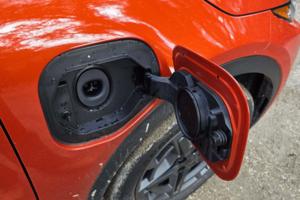
Q&A: Subaru product lead explains how new EV trio meets buyer needs
LAGUNA BEACH, Calif. — Subaru Corp. has established a loyal following in the United States making rugged, go-anywhere, dog-friendly, gas-powered hatchbacks and SUVs.
Though its wanderlusting customer base leans green, Subaru has struggled to sell electric vehicles because of range and charging limitations. For 2026, Subaru thinks it has ...Read more
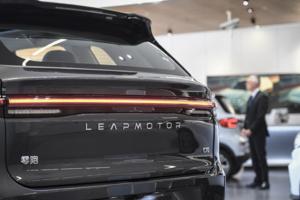
China is ripping up the rulebook for the global auto industry
A Chinese-made Leapmotor C10 was traveling down Germany’s fast-moving Autobahn last year when the driver-assistance system braked sharply and jolted it to the side, as if boxed in by scooters in a crowded China megacity.
Leapmotor International’s Germany head, Martin Resch, was at the wheel and emailed engineers in Hangzhou to report the ...Read more
Popular Stories
- Ford, GM take steps to boost truck production
- Auto parts retailer Detroit Axle braced for tariff Armageddon, but it didn't come
- GM reports nearly 10% drop in sales compared to same time last year
- Safety board recommends changes to Ford BlueCruise after fatal crashes
- Stellantis in talks to make Chinese EVs at idle Canada plant
Related Channels

Eric's Autos
By Eric Peters
Comics