The God Squad: Sinners all
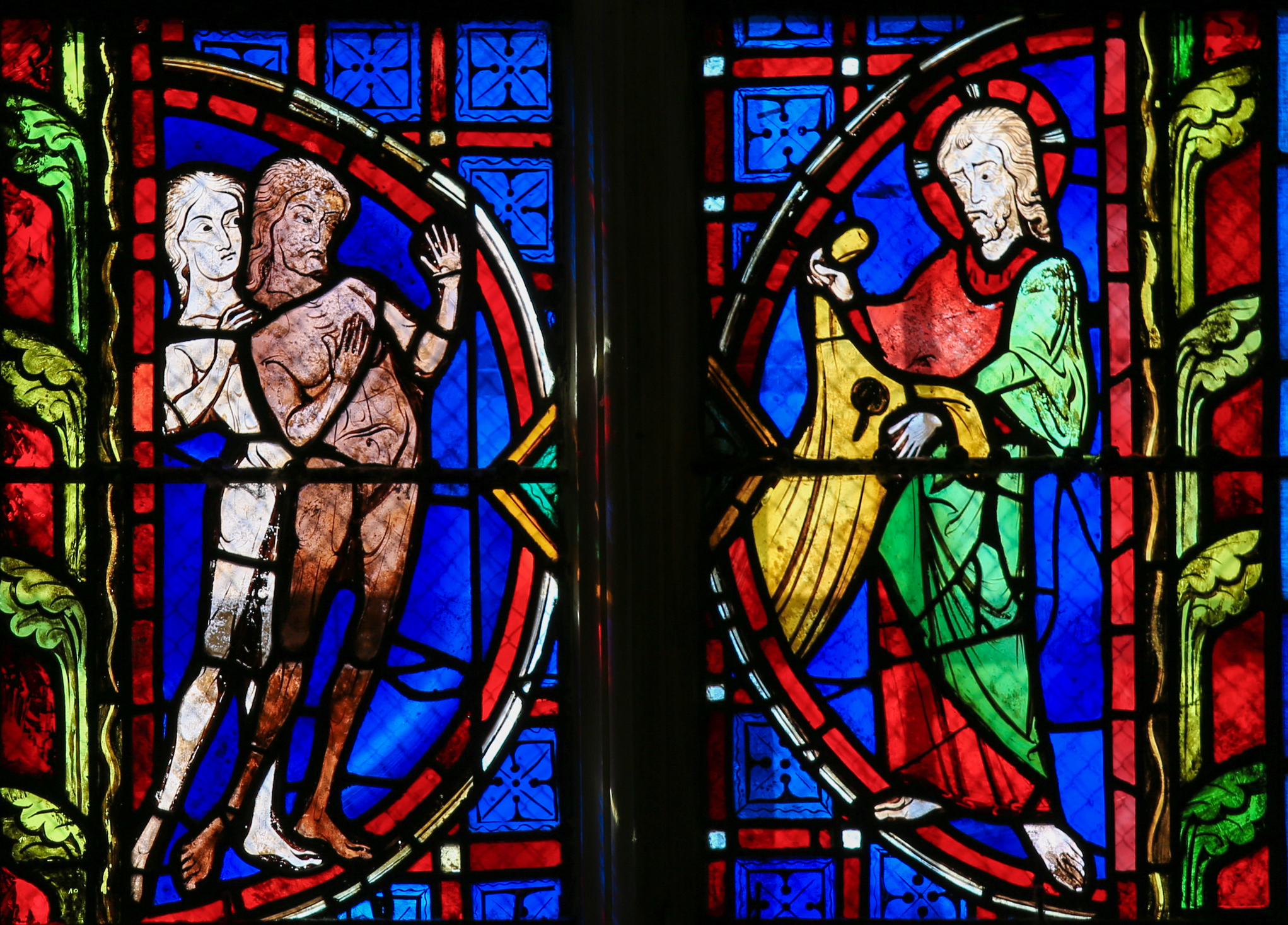
Q: Dear Rabbi Gellman, you have spoken in the past of original sin and Christianity. I am an Orthodox Christian and I want you to know that not all Christians accept the Augustinian view of original sin. The Orthodox Church rejects the notion of original sin as guilt acquired from Adam. We believe that every child is born pure and we take literally the words of Jesus, “Suffer the little children to come unto me and forbid them not. For of such is the Kingdom of Heaven.”
We Orthodox Christians believe that we are not accountable for Adam’s failure in the Garden but are accountable for our own sins. Therein lies the “rub”. We believe that sin has become so deeply ingrained into the human condition that none are able to resist the ingrained nature, and thus our faith in the final atonement of Jesus. Therefore, like our Jewish brothers and sisters, we address our sins with repentance and prayer of faith, “…for he knows how we are formed, he remembers that we are but dust.” Also, for us, we experience and remember the atonement of Jesus in the Eucharist.
Every year we have our fast periods and our Holy days with their special services. We fast to strengthen our spirit by weakening the flesh. We see our icons; we hear our hymns and listen to the scripture readings from the Psalms of David. We partake of the Holy Eucharist. This is done to bring us to the knowledge of God through Christ, to show us the way, and to ingrain it into the very core of our lives.
During Lent, we examine ourselves deeply and cry out in repentance asking God to mold us into the image of his Son. Our Church calls this process theosis, becoming like God. This process begins in this life and is consummated in the bodily resurrection when we will be transfigured to a glorious body. One without the ingrained sin. But, for now, the war always rages against the sin within us, until the day that we pass from this life into the next.
I would prayerfully ask if you could clarify the Jewish beliefs about sin and atonement. So thank you for the wonderful work you do. Your words offer encouragement and food for the soul. Shalom. – (From B)
A: Thank you, dear B, for your kind words and your learned exposition of the difference between Orthodox Christians, who comprise all the Christians in the world who are not Catholic or Protestant, and everyone else. Your description of the difference between original sin, which is the Augustinian (Catholic) belief that the sin of Adam actually stains every subsequent generation of human beings, and the Orthodox belief that people are only inclined to sin, parallels perfectly the Jewish view of sin.
Unlike Christianity in all its forms, Judaism does not believe that an act of surrogate atonement like Jesus’ crucifixion is necessary to atone for our sins. In fact, the Jewish penitential holidays of Rosh Hashanah and Yom Kippur, which are approaching, only provide atonement for sins against God. Sins against other human beings are not atoned for on the High Holy Days. For that atonement one must directly approach the person whom you have sinned against and ask for his or her forgiveness up to three times.
The key elements of sin that have been brought into the world in the theologies of the Abrahamic faiths of Judaism, Christianity and Islam are that sin is an act of straying from the moral path that God has set down for us. This straying is a part of our animal nature and through repentance and atonement we strengthen our spiritual nature and strengthen our ability to live a life of human flourishing.
The obstacles to the religious message of sin in our secular age is that many people do not believe that they are accountable for their mistakes and their cruelties. For them, sin is an irrelevant category and consequently repentance and atonement are as well. I must confess that I do not know how to convince people that we are under the loving care of a creator God who will hold us accountable for our sins and who wants us to change our ways and repent. The Sabbath and Lent and Yom Kippur and theosis (for you, dear B) are all ways we have created to bring us back to our best selves and to bring us back to God.
(Send ALL QUESTIONS AND COMMENTS to The God Squad via email at godsquadquestion@aol.com. Rabbi Gellman is the author of several books, including “Religion for Dummies,” co-written with Fr. Tom Hartman. Also, the new God Squad podcast is now available.)
©2026 The God Squad. Distributed by Tribune Content Agency, LLC.
(c) 2026 THE GOD SQUAD DISTRIBUTED BY TRIBUNE MEDIA SERVICES, INC.






Comments