
The God Squad: Thanks, Aristotle

Q: To what extent did Greek culture influence the development of Jewish and Christian thought? – (From A in Raleigh, NC)
A: Great question, dear A. It is almost impossible to overstate the role of Greek philosophy (not so much Greek culture) in the development of Judaism, Christianity and later on Islam. To state the contribution simply, Greek philosophy enabled Judaism to survive the destruction of the Temple in Jerusalem. At that time biblical Judaism was Judaism. It consisted of a hereditary priesthood that officiated at offerings of animals and grain. These offerings were brought to Temples throughout the land of Israel. After 621 BCE King Josiah concentrated all offerings in the main Temple of Solomon in Jerusalem but after the destruction of that Temple in the year 70 CE by the Romans Judaism was to all intents and purposes dead.
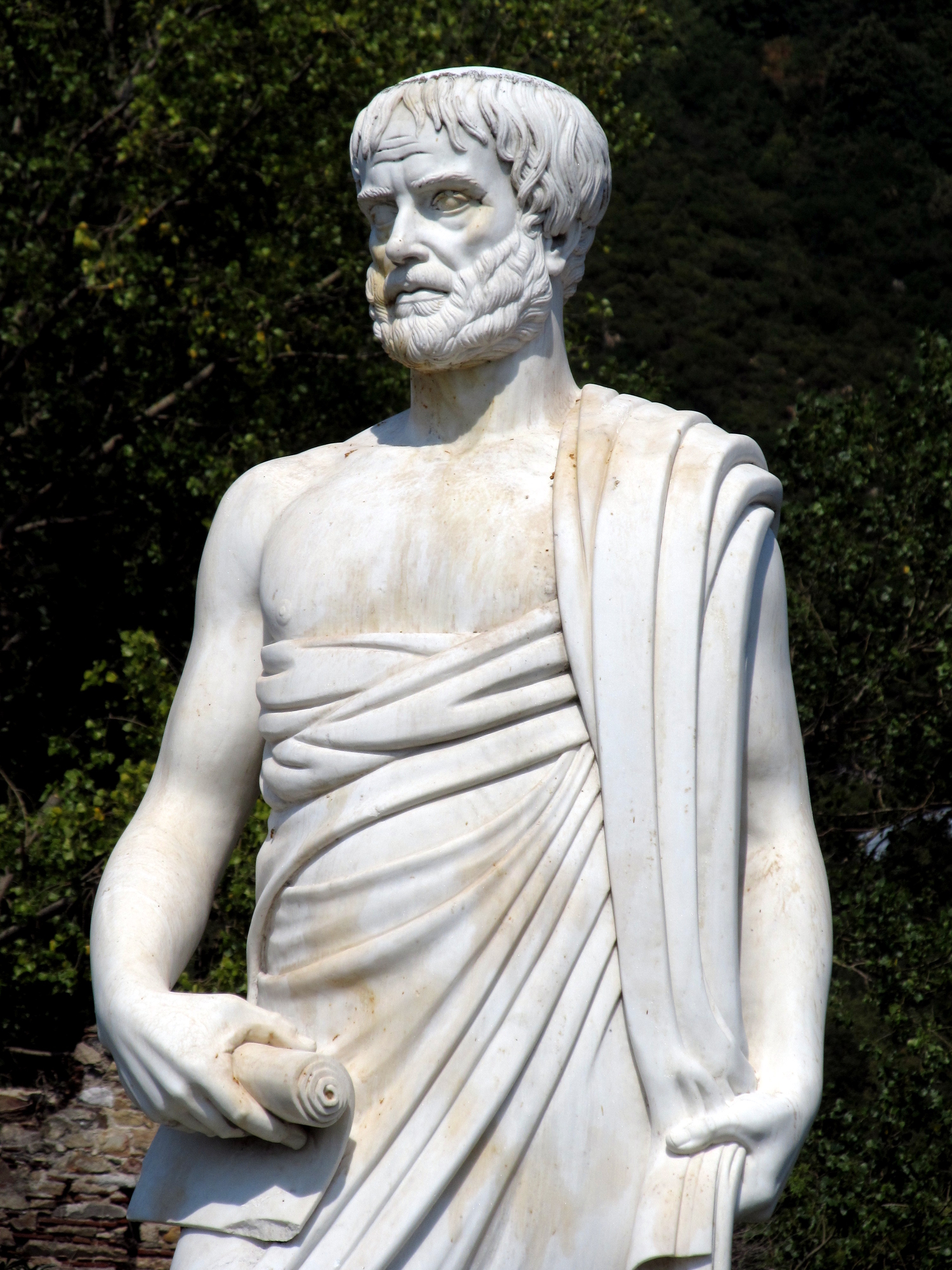
All that remained was a group of scholars who called themselves rabbis. They had met with Alexander the Great in the year 331 when the Greeks conquered the land. Alexander brought with him his personal tutor Aristotle and Aristotle taught the Pharisees, the precursors to the rabbis, about his new ideas of the structure of the universe.
The key concepts that opened up a new age of theology for Judaism and later Christianity were matter and form. Matter was the principle of potentiality and form was the principle of actuality. The combination of matter and form in various ways formed all the items of the universe with earth, air, fire and water under the sphere of the moon. Above the moon were nine other nested spheres, each made up of a fifth material called aether. Matter and form formed the human being, according to Aristotle. The Jewish scholars were deeply moved and incorporated this Greek dualism into the biblical text. Matter was body and form was the soul. In the Bible there is no concept of the soul. The Hebrew word translated as soul is Nefesh. Nefesh really means life, but after incorporating Greek notions of matter and form a new word was created called Neshama. The Neshama, being made of immaterial form lives on beyond the death of the body. They then imagined a Heaven where the soul would reside. The Hebrew phrase for Heaven was Olam Habah. The vehicle for integrating these Greek ideas was the Greek translation of the Bible called the Septuagint. The later translation of the Greek Bible into Latin was called the Vulgate.
The advantages of believing that we have an immortal soul were immense. It gave the rabbis an answer as to why innocent people suffer here on earth. The answer was that they were being punished for their sins here but would be rewarded for all eternity in the world to come. It also gave them a clear answer to the biblical belief that we are made in the image of God (imago dei). It is our soul that is made of the same immortal stuff as God.
Christianity also benefited from this new Greek/biblical synthesis. Jesus could survive his crucifixion because his soul was immortal. Biblical ideas of a messiah were not fully developed but they were made the centerpiece of Christianity. Jesus as the Christ (a Greek word) was the bridge between heaven and earth and his sacrificial death served as an atonement for the original sin of Adam and Eve in the Garden of Eden. These ideas that created Christianity caused a schism with Judaism. Some Christian ideas like the Trinity and like the atoning death and resurrection of Jesus were not Greek but were original to Christianity. In 324 when the Roman Empire became Christian, the split widened and that is why we have two religions from a single root.
The influence of Greek thought in Islam is equally great. During the Abbysid caliphate Islamic scholars translated all the Greek philosophical texts and produced from the 8th through the 14th century the Golden Age of Islamic culture. The scholars of Greek thought in Islam were called the mutikalimun and the larger intellectual enterprise was called the Kalam. The bridge back to Judaism occurred with Maimonides in the 13th century and he influenced Aquinas. Saving the Greek texts during the Dark Ages of Christian Europe was one of the greatest accomplishments of Muslim scholars.
The main point to remember through all this history is that Judaism, Christianity and Islam – the three Abrahamic faiths ought to really be called the children of Aristotle. Without him and without Alexander, the modern world and modern ideas of our three sister faiths would never have been born. In this time of dissension and war, it is crucially important to remember that there was a time when all of us learned about each other and learned about God together.
(Send ALL QUESTIONS AND COMMENTS to The God Squad via email at godsquadquestion@aol.com. Rabbi Gellman is the author of several books, including “Religion for Dummies,” co-written with Fr. Tom Hartman. Also, the new God Squad podcast is now available.)
©2026 The God Squad. Distributed by Tribune Content Agency, LLC.
(c) 2026 THE GOD SQUAD DISTRIBUTED BY TRIBUNE MEDIA SERVICES, INC.






Comments