
A Hearty Cup o' Joe
Recent research has again suggested that drinking coffee can be good for heart health and more. Drinking caffeinated coffee without added sugars, flavors or cream has been linked to a lower risk of heart failure, heart disease, stroke and type 2 diabetes.
But can there be too much of a good thing?
Apparently yes. A recently issued statement by the American Heart Association says the healthful limit is 400 milligrams of caffeine per day -- or about five 8-ounce cups of coffee.
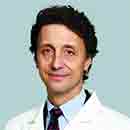
"When it comes to consuming caffeine, one size does not fit all -- individuals metabolize caffeine at very different rates," said Greg Marcus, M.D., a specialist in the treatment of arrhythmias and the associate chief of cardiology for research at the University of California, San Francisco, Health. "But for people who enjoy coffee and have not noticed any problems from the caffeine, this review should be reassuring as it shows moderate coffee consumption might even be beneficial from a cardiovascular standpoint."
Most Americans don't reach the health limit. Sixty-six percent of American adults say they drink coffee daily, but the average amount is three cups, and the average daily caffeine intake is 135-210 milligrams.
It's the other stuff we pour into our coffee -- cream, sugar, pumpkin spice -- that make the morning pick-me-up suspect, health-wise.
Body of Knowledge
Wrinkles may be more than a sign of aging. French research suggests that people with numerous, deep forehead wrinkles are more likely to die from heart disease than those with smooth frontal pates. The exact reason for the link isn't known, but some factors that lead to premature aging of the skin may also contribute to aging of the arteries.
Doc Talk
Pillow positive: Slang for patients who are regularly admitted into hospitals for prolonged stays but with no apparent physiological problem. It's joked that they arrive at the hospital with their own favorite pillows.
Mania of the Week
Lypemania: Extreme pathological mournfulness
Best Medicine
A distraught man ran into the doctor's office.
"Doc!" the man screamed. "I've lost my memory!"
"When did this happen?" asked the doctor.
The man looked at him. "When did what happen?"
Hypochondriac's Guide
Bromodosis tends to be worse for those around the sufferer than it is for the sufferer. It's the medical term for stinky feet, caused when bacteria in your shoes or on your skin break down sweat produced by your feet. One remedy: Don't wear the same shoes two days in a row. Let them air out.
Observation
"Somewhere on this globe, every 10 seconds, there is a woman giving birth to a child. She must be found and stopped." -- American humorist Sam Levenson (1911-1980)
Medical History
This week in 1865, Joseph Lister became the first surgeon to perform an antiseptic operation with liberal use of carbolic acid (phenol) as a disinfectant. Lister had studied Louis Pasteur's germ theory of disease, which posited that infections are caused by bacteria. He knew carbolic acid had been effective in municipal use for treating sewage, and he decided to try using it to kill germs that would otherwise infect wounds.
He poured the liquid solution on bandages, ligatures, instruments and directly on wounds and hands. His first patient to benefit was 12-year-old James Greenlees, whose broken leg was treated after being run over by a cart. The dressing was soaked with carbolic acid and linseed oil. The wound healed without infection. Lister continued his protocol of hygiene and reduced surgical death rates from 45% to 15%.
Sum Body
Five misconceptions about heat waves:
1. Drinking water is all you need to do to stay safe for a heat illness.
It may not be sufficient to replace lost sodium, potassium and other minerals sweated out.
2. Salt tablets can rehydrate you.
They may replace sodium but sometimes too much so and with severe side effects.
3. Cool showers help cool you down.
They feel good, but the sudden exposure to cold can signal to the body that it's time to conserve heat, leading to a higher overall internal temperature.
4. It's always better to stay indoors during a heat wave.
Maybe if you have access to unlimited air conditioning, but almost as effective is finding a shady park or well-ventilated area that naturally cools.
5. Someone experiencing a heat stroke won't sweat.
Sometimes that's true if the person is severely dehydrated, but heat strokes can also cause excessive sweating. Better tell-tale symptoms are confusion, seizures, difficulty breathing, nausea or sometimes unconsciousness.
Last Words
"God will pardon me. That's his line of work." -- German poet Heinrich Heine (1797-1856), best known for lyric poetry set to music by contemporary composers, such as Robert Schumann and Franz Schubert.
========
To find out more about Scott LaFee and read features by other Creators Syndicate writers and cartoonists, visit the Creators Syndicate website at www.creators.com.
Copyright 2026 Creators Syndicate Inc.







Comments