Hospital steps up screening as measles cluster widens in central Minnesota
Published in Health & Fitness
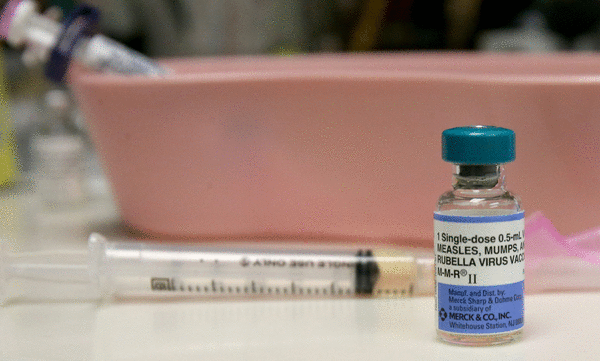
Widespread screenings are underway at Lakewood Health System’s hospital and clinics in north-central Minnesota to try to prevent a measles cluster from spreading.
Concerns about the outbreak have increased among residents of Todd County, where one additional measles case was publicly disclosed Thursday by the Minnesota Department of Health. The new case raised the county’s total to 20 so far this year and the state’s total to 43.
“We’re trying to do our best to collaborate and help contain this,” said Dr. Christine Albrecht, chief medical officer of Lakewood, which is based in Staples but includes five clinics spread across the county.
Several people infected with measles showed up over the past month in Lakewood’s emergency room, prompting close contact investigations to see if they spread the virus in the waiting room, she said. Masked caregivers treated those patients in air-controlled rooms to reduce exposure risks.
“We actually checked and every single person who works here is vaccinated, so that helps us out,” the doctor said.
Visitors to Lakewood’s hospital and clinics are asked about their vaccination status and recent exposures to measles. The health system also is offering preliminary measles vaccinations to protect infants, even though they’ll still need the usual two-dose course later in their preschool years.
The measles virus can infect others by lingering in droplets in the air, long after being spread by coughing, sneezing or talking. The disease is characterized by a head-to-toe rash but also fever and other respiratory symptoms. About one in 10 cases requires hospital admission for extended treatment.
The infectious disease had been deemed eradicated in the U.S. because of widespread use of the measles vaccine, which is considered 97% protective when administered in two doses.
A decline in the vaccination rate, particularly after the COVID-19 pandemic, allowed measles to make a comeback in the U.S. More than 4,400 infections and three deaths have been confirmed so far this year, according to the Centers for Disease Control and Prevention.
Minnesota had dodged this year’s measles outbreak for months, but then case clusters emerged this fall in Todd and Fillmore counties.
Both have some of the lowest measles vaccination rates in Minnesota, partly because they are home to religious communities where many residents have objections to the vaccines.
The Minnesota Department of Health has declined to identify whether Amish communities have been affected by the two outbreaks, stressing that anyone who is unvaccinated is at risk.
Lakewood’s clinicians at least have been communicating with residents of the Amish communities about their infection risks, leaning on relationships established when providing obstetrics care to pregnant women, Albrecht said.
Doctors also have been dealing with “worried well” concerns, when other parents show up with vaccinated children who have fevers and cold symptoms, she said. “They’ve had two vaccines and no exposures, but they want to be tested.”
The health system has stockpiled an intravenous antibody treatment that can reduce the threat of severe measles if administered within six days of exposure to the virus. The treatment is reserved for children, pregnant women and adults with weakened immune systems.
Albrecht said her health system was preparing to administer one dose, but the patient with measles declined the treatment. The same hesitancy over vaccines convinces some people not to pursue intravenous therapy, she said.
“It’s a hard group to encourage to get it,” she said.
_____
©2026 The Minnesota Star Tribune. Visit startribune.com. Distributed by Tribune Content Agency, LLC








Comments