Environmental Nutrition: How to support liver health through everyday eating
Published in Health & Fitness
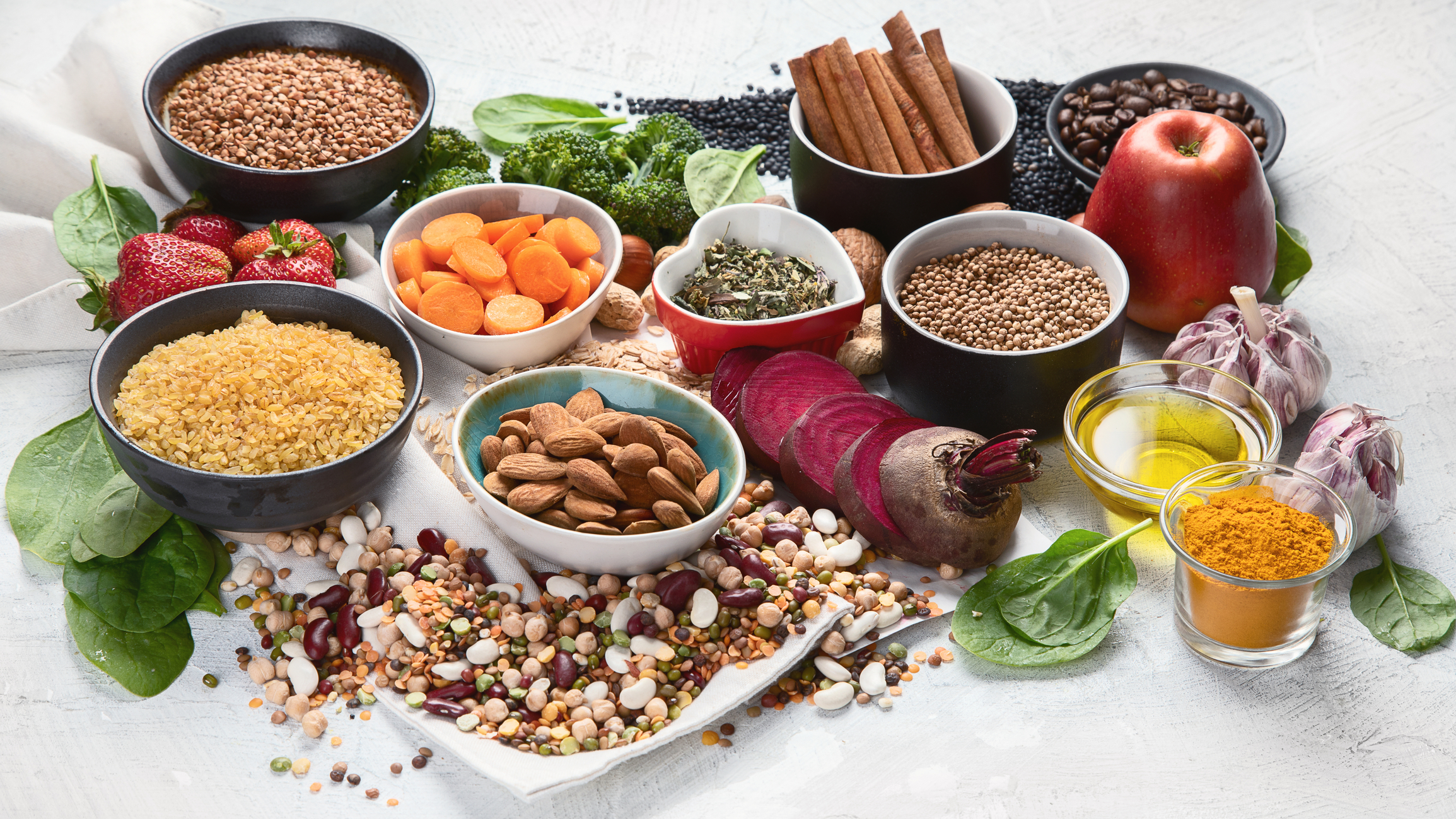
The liver is one of the body’s most important organs. It helps clean the blood, process nutrients from food, make bile to digest fats, and manage how the body stores and uses energy. Because it does so many jobs, the liver is strongly affected by what we eat and drink every day.
The good news is that you do not need special “detox” drinks or extreme diets to keep your liver healthy. In fact, most liver support comes from simple, steady eating habits that reduce stress on the body and provide key nutrients.
Eat more fiber-rich whole foods
Fiber is one of the best nutrients for liver health. It helps digestion, keeps blood sugar steady, and reduces how much fat the liver has to process.
Foods like oats, beans, lentils, fruits, vegetables and whole grains are all high in fiber. These foods slow down how quickly sugar enters the blood, which helps prevent the liver from turning extra sugar into stored fat.
On the other hand, foods made with white flour or added sugars — like white bread, pastries, and many packaged snacks — can raise blood sugar quickly and put more pressure on the liver over time.
Choose healthier fats
Not all fats are the same. Some fats can support liver health, while others can make it harder for the liver to work well. Healthier fats include unsaturated fats found in foods like nuts, seeds, avocados, and fatty fish. A good example is olive oil, which is often used in Mediterranean-style eating. These fats may help reduce fat buildup in the liver and support overall heart and metabolic health.
Less healthy fats include trans fats (found in some fried and packaged foods) and too much saturated fat (found in fatty meats and full-fat processed foods). Eating too much of these can increase fat buildup in the liver over time.
Cut back on added sugar
One of the biggest dietary causes of liver stress is too much added sugar. This is especially true for sugary drinks like soda, sweet tea, energy drinks, and many processed foods.
A type of sugar called fructose is mainly processed in the liver. When you consume too many fructose-sweetened foods and drinks, the liver can convert the fructose to fat. Over time, this may lead to a condition called non-alcoholic fatty liver disease, where fat builds up in the liver even in people who do not drink alcohol.
The easiest way to protect your liver is to cut back on sugary drinks, desserts and highly processed snacks. Replacing soda with water or unsweetened drinks is one of the most helpful changes you can make.
Eat more antioxidant-rich foods
The liver works hard every day, which creates stress in the form of oxidation. Antioxidants help protect liver cells from this stress.
Fruits and vegetables are the best sources of antioxidants. Berries, oranges, apples, leafy greens, carrots and peppers are all helpful choices. These foods contain vitamins and plant compounds that support the liver’s natu- ral ability to repair and protect itself.
Green tea also contains antioxidants that may support liver health. Coffee, in moderate amounts, has also been linked in many studies to better liver health. It may help lower liver inflammation and reduce the risk of liver scarring in some people.
Stay hydrated and eat regular meals
Water is important for all body functions, including the liver. Staying hydrated helps the body move nutrients and waste products through the system more easily.
It also helps to eat regular meals instead of skipping meals or overeating. Large, heavy meals — especially ones high in sugar or fat — can make the liver work harder all at once. Balanced meals that include protein, fiber and healthy fats help keep blood sugar steady and reduce stress on the liver.
Lifestyle matters too
Food is only one part of liver health. Other habits are also very important.
Regular physical activity helps reduce fat in the liver and improves how the body uses insulin. Even simple activities like walking can make a difference when done consistently.
Limiting alcohol is also very important. Too much alcohol is one of the most common causes of liver damage and can lead to inflammation and long-term scarring.
Sleep and stress also matter. Poor sleep and long-term stress can affect hormones that control metabolism, which can indirectly affect liver health.
The big picture
There is no quick fix or special detox diet that replaces healthy daily habits. The liver works best when it is supported over time with balanced nutrition and a healthy lifestyle.
Eating more whole foods like oats and healthy fats like olive oil, while reducing sugar and processed foods, can help protect liver function. Small, steady changes made every day are the most effective way to support liver health for the long term.
(Reprinted with permission from Environmental Nutrition, a monthly publication of Belvoir Media Group, LLC. 800-829-5384. www.EnvironmentalNutrition.com.)
©2026 Belvoir Media Group. Distributed by Tribune Content Agency, LLC.









Comments