Most Americans prefer to die at home, but the US healthcare system often prevents it
Published in Health & Fitness
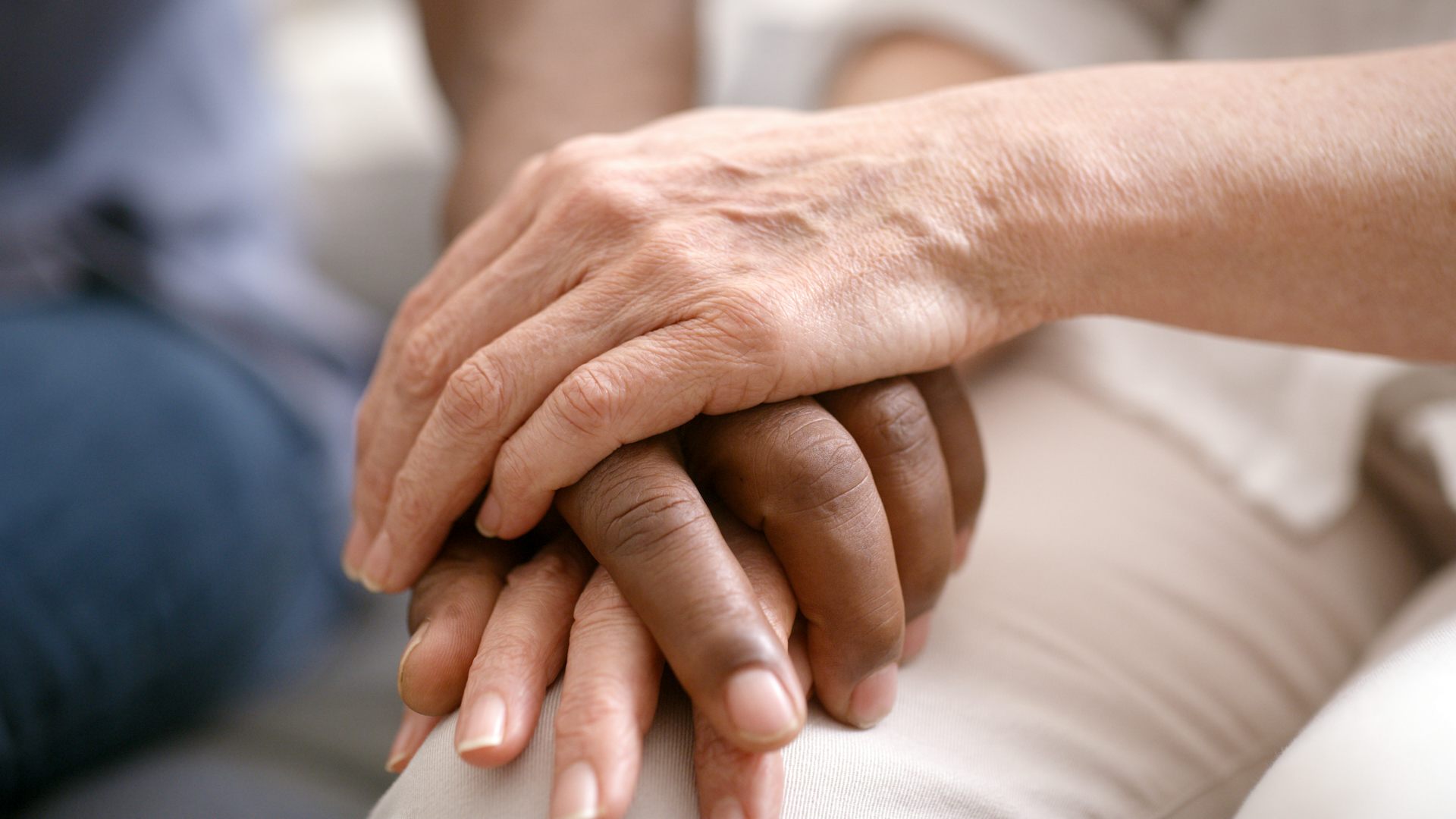
Ask people what they want at the end of their lives, and overwhelmingly the answers will revolve around comfort, dignity and time at home with loved ones.
Yet the U.S. healthcare system often thwarts these wishes.
Most Americans say they want to die at home, but only one-third do. What could be an intentional last chapter may instead become a roller coaster of hospitalizations and decisions made with incomplete information.
News headlines reflect the challenges of facing the end of life in crisis mode. Stars such as Nicole Kidman have been open about their own negative experiences with a loved one’s care. After her mother’s death in 2024, she decided to train to become a death doula, a nonmedical guide who helps dying people and their families in their last months to hours. Unfortunately, these crisis scenarios are happening to millions of families each year.
What causes these situations, and how can people avoid them? As a medical sociologist and a death doula and master’s student in mental health counseling, we have been trying to answer such questions through years of research and hands-on work.
In our discussions with patients, members of their families and healthcare providers, we found that people can avoid some of these end-of-life surprises. Two relatively unexplored resources can help by centering care and education while also encouraging people to make choices that are best for them and their loved ones.
Research shows that the healthcare system’s emphasis on the length – not quality – of life introduces preventable suffering into American experiences of death.
In this context, dramatic mismatches exist between what people want at the end of life and what the healthcare system provides. A 2017 Kaiser Family Foundation survey found that a majority of Americans say that patients and their families should have the biggest say in medical decisions. Yet half of those respondents said they think they have too little control over medical care decisions at the end of life.
Most people surveyed said they did not want to be a financial or caretaking burden to their loved ones and said that living as long as possible was less important to them.
But a fix-it-at-all-costs medical culture like that in the U.S. often views death as a failure rather than an inevitable and natural part of life. Doctors, for instance, are often trained to apply life-extending procedures – but not in how to talk to patients who have reached the end of the road with treatment.
All of this creates situations where Americans don’t plan for what they actually want for themselves or their loved one until it’s too late.
When it comes to improving quality of care toward the end of life, researchers point to a need for more patient-centered care, better medical training around end-of-life issues and insurance coverage that aligns with – rather than undermines – care for those who are dying.
Hospice, which focuses on comfort – not cures – for terminally ill patients, originated in Britain in the 1960s and first appeared in the U.S. in 1974. By 1982, the U.S. Congress created the Medicare hospice benefit to meet the needs of dying people and their families. Today, patients who enroll in hospice tend to have a higher quality of life, including less pain, greater patient satisfaction and, for some, longer survival.
But given the U.S. healthcare system’s emphasis on treatment, people tend to be referred to hospice very late. Hospice usually happens at home rather than in a facility, but enrollments are often too short to be helpful. While those who have six months or less to live qualify for hospice coverage, the median length of a hospice enrollment in 2024 was only 19 days. About 1 in 4 patients die within five days of admission.
An estimated 27% of people surveyed in 2024 said they are not comfortable talking about death. Due to such discomfort – or for other reasons – people often delay making plans for their own dying process.
But another problem is a lack of understanding about, and skepticism of, two types of emerging-care professionals who can improve patients’ final days: palliative care teams and end-of-life doulas.
Palliative care providers and death doulas are helping shift the conversation away from overly medical and diagnostic approaches to death. These people help change end-of-life care from being reactive and focused mostly on treatment to prioritizing patient comfort, education and agency alongside treatment plans. In the process, patients and caregivers are empowered to change the narrative and regain control.
Palliative care providers are trained to help patients with symptoms such as pain and nausea and to lead conversations about delicate topics such as quality of life, advance care planning and hospice. Unlike hospice care, palliative care can be brought in at any stage of a serious illness, even starting from diagnosis.
End-of-life doulas offer emotional, educational and logistical guidance to patients’ families. They can facilitate honest discussions about goals and trade-offs, help plan for home care, assist with advance care documents or teach caregivers how to keep a dying person comfortable.
Our research and experiences, along with that of other experts, show these two services can make a real difference. Palliative care reduces disease symptoms and the burdens on caregivers. It also decreases the need for crisis care, such as trips to the emergency room. While death doulas are newer to the scene, early evidence shows similar benefits for the patients and families who work with them.
Even with these options available, there is still a big discrepancy between the care people want and the care they receive. Research shows that U.S. clinicians and clinical leaders estimate that 60% of patients who would benefit from palliative care do not receive it, perhaps because more than 70% of Americans have never heard of it.
Some caregivers may equate palliative care with imminent death, “quitting,” or a doctor’s lack of effort to cure a disease. Research has shown that doctors often do not refer patients to palliative care as soon or as frequently as would benefit patients and their families.
According to the National End-of-Life Doula Alliance, a professional nonprofit network of doulas, the number of doulas has increased nearly fivefold since 2019, but not enough people know they exist. Doulas are not covered by health insurance, so some families may not be able to afford to hire one. Knowing this ahead of time can help people budget for end-of-life doula care or find doulas who offer services on a sliding scale.
Our research and experience confirm that integrating palliative care, death doulas and hospice would make patient-centered end-of-life care more effective than it is now. Until that happens, Americans remain vulnerable to surprises and types of care that are not aligned with their preferences.
That means it’s up to patients and caregivers to educate and advocate for themselves when it comes to palliative care and death doula services. We have found that talking about the dying process early, even while healthy, provides a way for people to get more of the care they want and less of what they don’t. Using online tools such as Five Wishes and The Conversation Project can help Americans think about what quality of life near the end means to them.
When caregivers and patients feel empowered in the choices they make toward the end of life, the dying process can happen with fewer shocks and emergencies – and more intention, care and dignity. But that will require significant systemic change to become a reality.
This article is republished from The Conversation, a nonprofit, independent news organization bringing you facts and trustworthy analysis to help you make sense of our complex world. It was written by: Karen Lutfey Spencer, University of Colorado Denver and Jane Callahan, North Carolina Central University
Read more:
Boom in cremation hides surprising truths about what Americans really want when they die
50 years ago, Karen Quinlan’s coma sparked the movement for patients’ rights near the end of life
Being clear about your last wishes can make death easier for you and loved ones
Karen Lutfey Spencer receives funding from National Institutes of Health and University of Colorado Denver.
Jane Callahan does not work for, consult, own shares in or receive funding from any company or organization that would benefit from this article, and has disclosed no relevant affiliations beyond their academic appointment.









Comments