Mayo Clinic Q&A: Dos and don’ts of deadlifting
Published in Health & Fitness
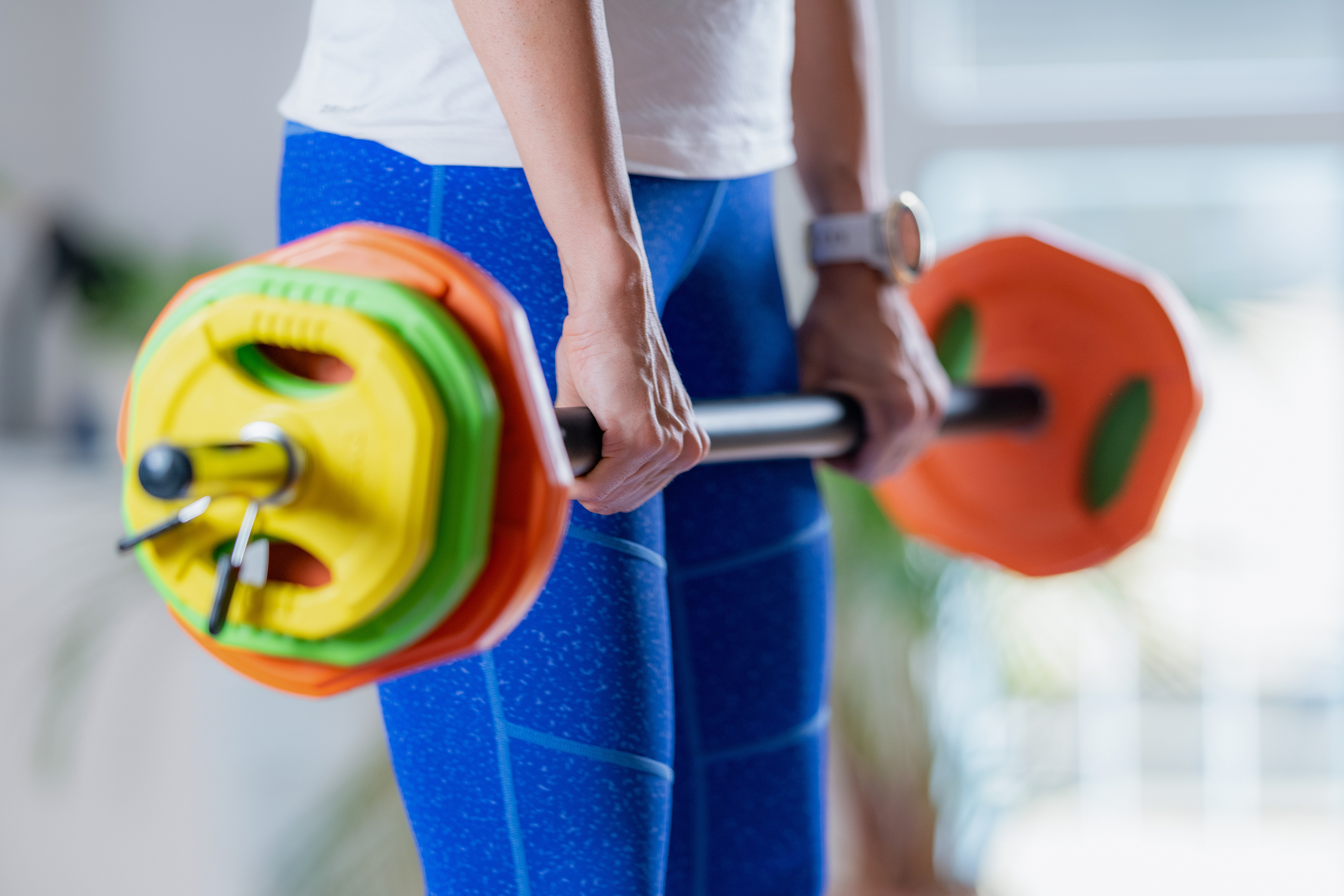
DEAR MAYO CLINIC: Weights are part of my regular workout, but I’ve noticed more people at my gym deadlifting. I’d like to try it. What are the benefits, and how do I get started?
ANSWER: Deadlifting can add variety and take your workout to a new level. It’s a great full-body exercise that targets the larger muscle groups in your lower body.
These FAQ can give you the basics. For more info, team up with a qualified trainer at your gym. If you’ve had a previous back injury, check with a physical therapist before starting to deadlift.
What is a deadlift?
A deadlift begins with a loaded barbell that is lifted from the ground to hip level. It’s then lowered back down in a controlled movement. A deadlift uses the hips, rather than the knees. This hip-hinging movement targets the glutes, hamstrings, lower back, core, upper back and forearms. It’s typically integrated into full-body or lower-body workouts and can pair well with lunges, rows, planks or hamstring curls.
Who might consider this exercise?
Deadlifting can benefit a wide range of people, including:
What are the benefits?
The appeal and benefits of deadlifting include:
What are the risks?
When done properly, deadlifting can strengthen the muscles that run alongside the spine and improve lower-body strength, helping reduce the risk of injuries during similar daily movements such as picking up a baby, a bag of grass seed or a suitcase from the ground.
The risk of injury is mainly due to poor technique, such as rounding the back, jerking the weight off the floor with “slack” in the bar, extending the weight too far away from your body or lifting too much weight.
Potential injuries include:
What are the basics for doing a correct deadlift?
There are several variations of the deadlift:
As someone new to deadlifting, remember to:
Here’s a common description for doing a conventional deadlift:
Keep these cues in mind: Push the floor away; keep the bar close; chest up, back tight; hinge, don’t squat; and don’t bend your knees too much.
What are some deadlift alternatives?
There are safer, easier variations or alternative exercises that target the same muscle groups. Even with underlying injuries or limitations, it’s still a good idea to work toward completing a deadlift-like movement properly.
The trap bar deadlift tends to be an easier variation for beginners or those susceptible to low back injuries. Other variations to reduce stress on the lower back include a kettlebell deadlift from a box raised about 12 inches off the floor or a single-leg kettlebell deadlift.
—Andrew Jagim, Ph.D., Sports Medicine, Mayo Clinic Health System, La Crosse and Onalaska, Wisconsin
(Mayo Clinic Q & A is an educational resource and doesn’t replace regular medical care. This Mayo Clinic Q&A represents inquiries this healthcare expert has received from patients. For more information, visit www.mayoclinic.org.)
©2026 Mayo Foundation for Medical Education and Research. All Rights Reserved. Distributed by Tribune Content Agency, LLC.









Comments