A growing nursing shortage is made worse by nurses’ daily challenges of patients and their families rolling their eyes, yelling and striking
Published in Health & Fitness

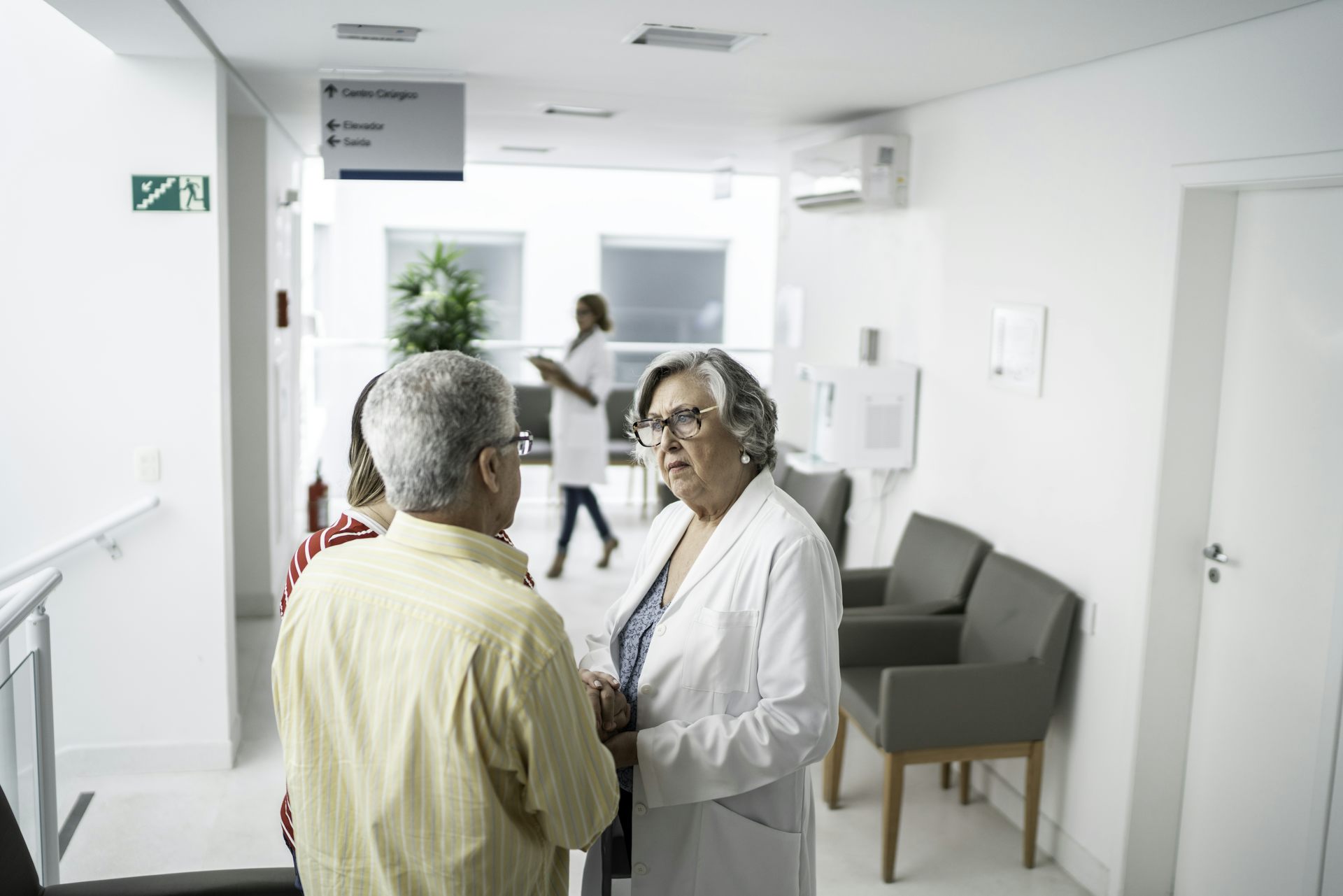

Imagine being a dentist, and your clients roll their eyes at you, comment that you don’t know what you’re doing – or even spit at you.
Unimaginable, right? But that’s what nurses experience when patients or their families do the eye roll or hit, bite or spit at them. What’s more, a bedside nurse may repeatedly endure bad behavior from a patient or their loved ones for a shift of eight to 12 hours.
Workplace violence is frequently underreported, in part because many nurses see it as being part of their job.
Nurses experience violence and incivility due to a combination of factors, such as working in high-risk clinical environments like the emergency department, or dealing with patient-related challenges such as altered mental status. As a result, nursing is the health profession most likely to experience workplace violence, incivility or threat of violence. This includes physical violence, harassment, intimidation or other types of disruptive behavior.
A 2024 report found that more than 80% of registered nurses said they had experienced at least one instance of workplace violence in the previous year; 68% said they were verbally threatened. The vast majority of the workplace violence stemmed from patients or family members of the patient.
Workplace violence and harassment are major contributors to a growing shortfall in the nursing workforce.
As a nurse practitioner, I work closely with nurses and interact with patients and their families on a regular basis. A nurse practitioner – which is a registered nurse but with advanced training and a wider scope of treatment – typically doesn’t have as much direct interaction with patients and their families due to the difference in their job responsibilities compared with nurses.
However, I also experience incivility from patients and families when I can’t give them the answers they expect to hear, or when I’m late because the time I spent with the previous patient took longer than expected.
I recognize that much of their anger and impoliteness stems from fear and frustration. I also understand the difficulty in dealing with a health care system that’s bureaucratic and under-resourced. But my understanding why they feel this way does not make the behavior OK.
Workplace violence directed toward nurses has been studied for well over a decade. But the widespread prevalence of incivility remains poorly understood, in part because nurses are reluctant to report it. A 2022 survey of nurses across all care settings found that 60% had experienced bulling and incivility and nearly a third had experienced an incident of violence. Nearly half reported that they planned on or were considering leaving patient care in the next six months. And a significant number said that instituting a non-bullying program or no-tolerance policy toward violence would greatly improve their work satisfaction.
The feeling that they aren’t supported is another reason why nurses are increasingly likely to leave the profession, with 31% stating in the same survey that it would help their work satisfaction if their organization would listen to them.
This is unsustainable for a number of reasons, one being the growing shortage of nurses in the U.S.. The shortfall has gotten worse since the COVID-19 pandemic, with more and more nurses leaving due to burnout.
More nurses are needed to care for the aging population in the U.S., but fewer nurses are replacing the retiring ones. Over the next decade, the U.S. is projected a shortage of more than 63,000 registered nurses to care for its aging population.
The idealized concept of the “good nurse” is that of an unfailingly polite caregiver, always accommodating and emotionally composed. This makes it difficult for nurses to set boundaries or object to rudeness.
No one-size-fits-all solution will address the incivility problem, although health care systems have tried. Some hospitals, for example, post signs in patient rooms and elevators with messages like: “This is a place of health and healing – please respect everyone.” And many health care organizations have behavioral emergency response teams – typically social workers and security personnel – to intervene when tensions escalate. Although such response teams are considered best practice, few hospitals and other health care organizations have them.
Other organizational efforts, such as resilience training and wellness lectures, are well-intended and in good faith, but they also reinforce the harmful notion that incivility is inevitable and must be endured, not addressed. Worse, they give the appearance that health care organizations are taking action. Instead, they place the burden of coping squarely on nurses, who are often unable to attend the lectures due to time constraints.
There are some actions that health organizations can take to address the incivility directed toward nurses from families. For example, setting realistic expectations for patients and their families would decrease the frustration and change this destructive dynamic. Transparency is critical. For instance, if emergency room waiting areas have a screen showing the wait time – even if it’s 12 hours – it would cut down on a great deal of anxiety for patients and their families that can escalate into anger, disrespect and violence.
And when patients must spend the night in the hospital, it would help for families to be told what time the health care provider makes their rounds so that loved ones are not needlessly waiting around for hours.
Families also deserve to know if the hospital is understaffed, with perhaps only one nurse managing multiple patients. This could help loved ones be more understanding of a slower response to a call light.
These types of interventions could be delivered through educational videos with QR codes and placed in each patient room.
The nursing profession has a conflicting identity, and it’s one where some patients translate a nurse’s compassion and caring into a signal to disregard basic human boundaries. Only through organizational and societal shifts – beginning with employers – can change occur and incivility toward nurses become infrequent, rather than the norm.
Everyone can help address this problem, whether you or your loved one is hospitalized, by being understanding and respectful to others, especially when interacting with nurses.
This article is republished from The Conversation, a nonprofit, independent news organization bringing you facts and trustworthy analysis to help you make sense of our complex world. It was written by: Carolyn Dickens, University of Illinois Chicago
Read more:
Pennsylvania may be short 20,000 nurses by 2026
Nurses are leaving the profession, and replacing them won’t be easy
The US doesn’t have enough faculty to train the next generation of nurses
Carolyn Dickens receives funding from UIC research innovation grant. I am a board member of a federally qualified health care center.









Comments