Environmental Nutrition: Food allergies can create a minefield for holiday celebrations
Published in Health & Fitness
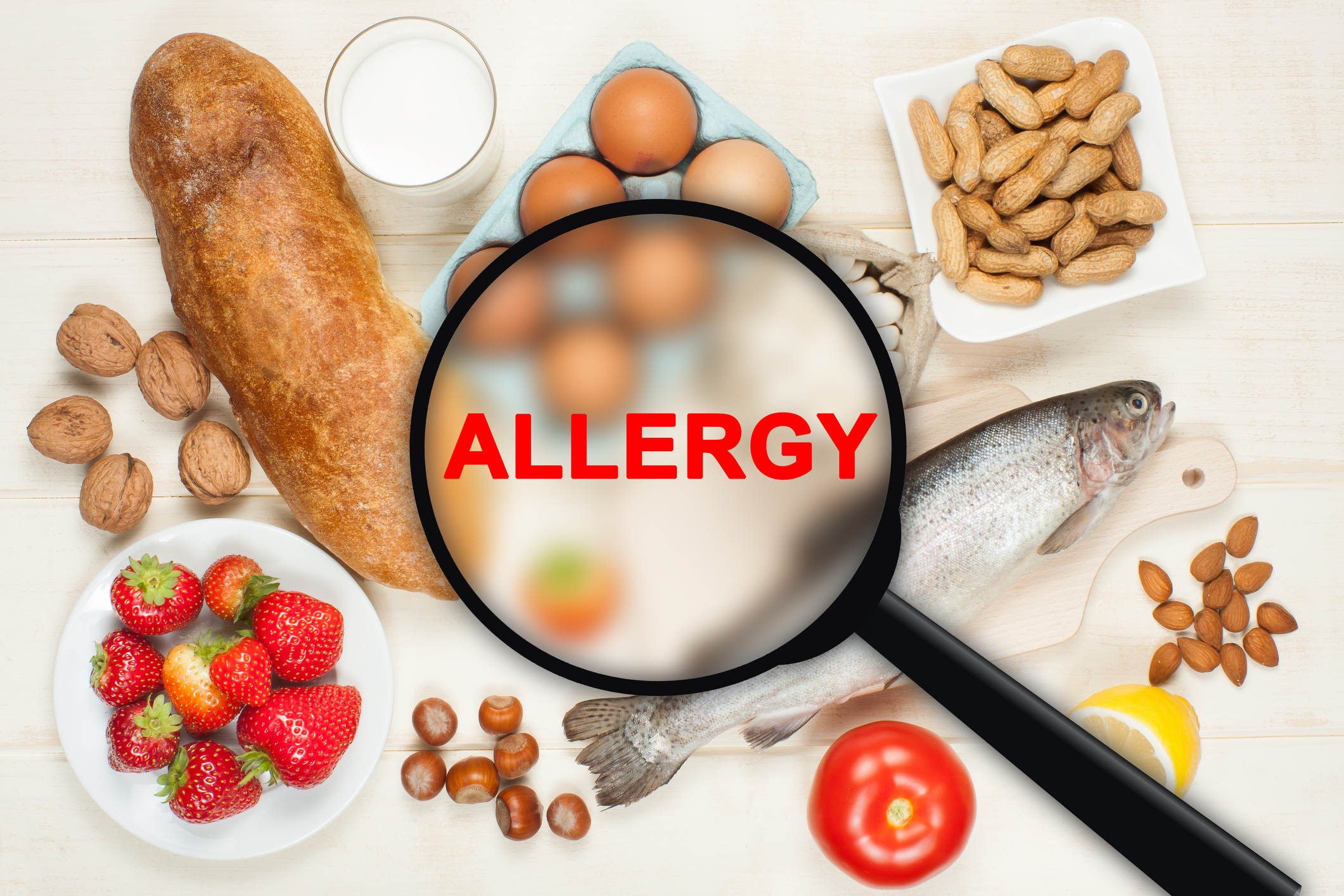
The holidays are coming up and they almost always involve family gatherings, office parties, neighborhood get-togethers, and special holidays meals, all with lots and lots of food. For most of us, it’s a chance to enjoy food and drink that maybe aren’t a part of our usual fare. But if you have food allergies, these celebrations can literally be life threatening if you don’t know exactly what’s in the food and drinks being served up.
Food sensitivity vs. food allergy
Knowing the difference between a food sensitivity and a food allergy determines how you should handle the holiday offerings. A food allergy is when your immune system reacts to a food protein, which the body identifies as something to be eliminated, and the immune system kicks into high gear. The reaction is usually swift and can be life threatening. The most common food allergies are eggs, milk, fish and shellfish, peanuts, tree nuts (e.g., almonds, walnuts, pecans), sesame, soy, and wheat. Symptoms can include hives; difficulty breathing and wheezing; a drop in blood pressure; and swelling of the mouth, tongue and throat.
A food sensitivity, on the other hand, can trigger gastrointestinal symptoms, such as nausea, gas, bloating, and diarrhea, but it doesn’t involve the immune system, so while it is uncomfortable, it’s not life threatening. Unlike a food allergy, symptoms can take hours or even days to appear.
If you’re the host
If you have a diagnosed food allergy, you likely know the do’s and don’ts at home, but the situation can get complicated when other people and unfamiliar dishes are introduced. Julie Stefanski, Med, RDN, LDN, FAND, spokesperson for the Academy of Nutrition and Dietetics, says you should allow the person with food allergies to serve their own food first to ensure there’s no cross-contamination, and be sure to keep ingredient labels of packaged foods, so the person with food allergies or their caregiver can read and determine if it’s safe to eat. And, she says, don’t be offended if someone wants to bring their own food or turns down something you’ve prepared. It’s a matter of safety.
Here are more tips for keeping the festivities safe:
If you’re the guest
Bottom line
Unfortunately, not everyone will be understanding or accommodating when it comes to informing them of your or your child’s food allergies. Some may think you’re overreacting or being overprotective, but you know the potential consequences. You get to decide, but if it feels unsafe, don’t go. Create your own allergy-safe celebration at home or with extended family who understand and make sure you and your family are safe.
(Reprinted with permission from Environmental Nutrition, a monthly publication of Belvoir Media Group, LLC. 800-829-5384. www.EnvironmentalNutrition.com.)
©2025 Belvoir Media Group. Distributed by Tribune Content Agency, LLC.







Comments