Is snuff really safer than smoking?
Published in Health & Fitness
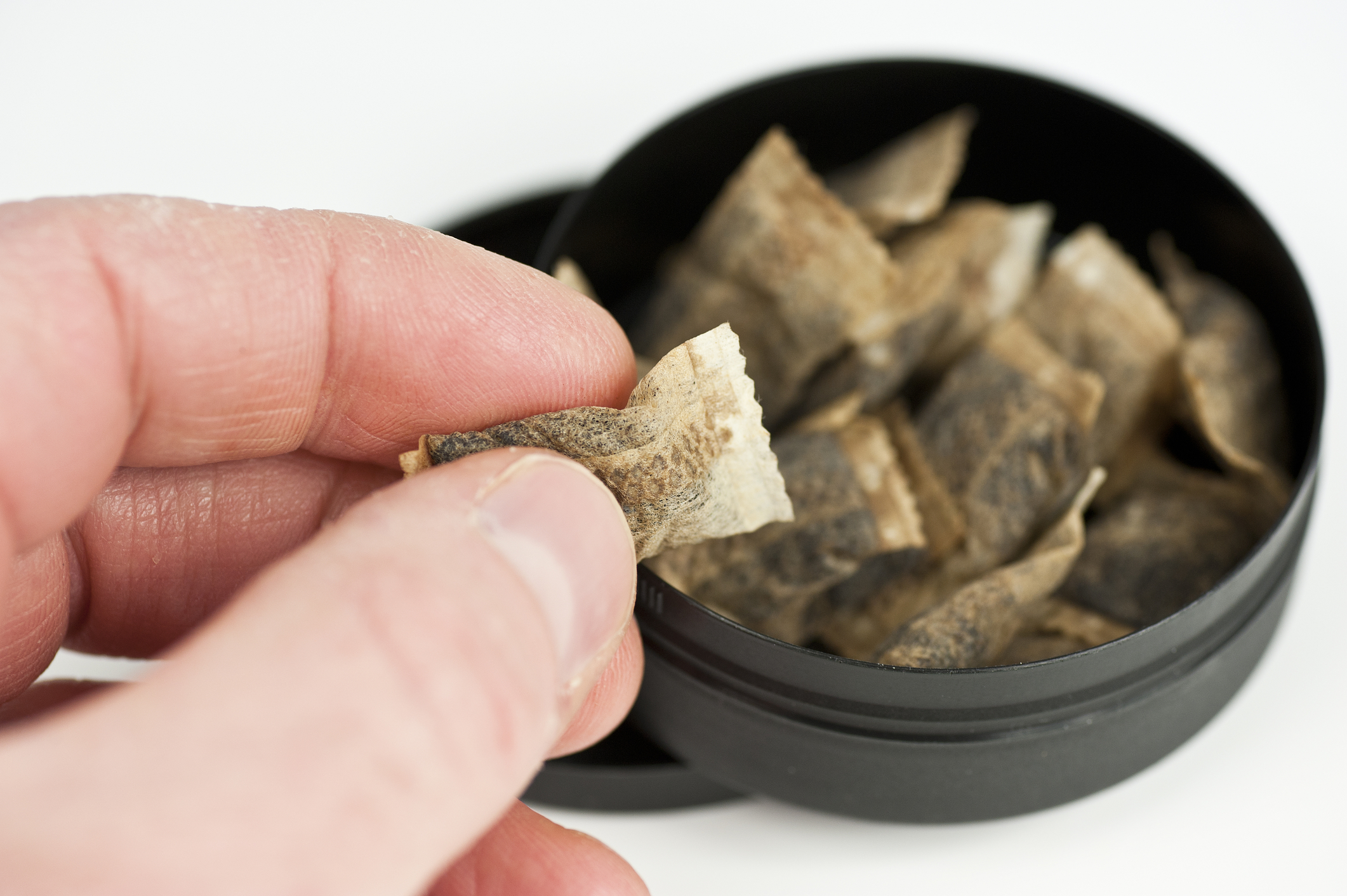
Snuff is a smokeless tobacco similar to chewing tobacco. It rarely makes headlines. But it certainly did when the FDA authorized a brand of snuff to market its products as having a major health advantage over cigarettes. Could this be true? Is it safe to use snuff?
What did the FDA authorize as a health claim?
Here’s the approved language for Copenhagen Classic Snuff:
If you smoke, consider this: Switching completely to this product from cigarettes reduces risk of lung cancer.
While the statement is true, this FDA action — and the marketing that’s likely to follow — might suggest snuff is a safe product. It’s not. Let’s talk about the rest of the story.
What is snuff, anyway?
Snuff is a form of tobacco that's finely ground. There are two types:
Both types are available in an array of scents and flavors. Users absorb nicotine and other chemicals into the bloodstream through the lining of the mouth. Blood levels of nicotine are similar between smokers and snuff users. But nicotine stays in the blood for a longer time with snuff users.
Why is snuff popular?
According to CDC statistics, 5.7 million adults in the U.S. regularly use smokeless tobacco products — that's about 2% of the adult population. A similar percentage (1.6%) of high school students use it as well. That's despite restrictions on youth marketing and sales.
What accounts for its popularity?
The serious health risks of snuff
While the risk of lung cancer is lower compared with cigarettes, snuff has plenty of other health risks, including:
And because nicotine is addictive, using any tobacco product can quickly become a habit that’s hard to break.
There are also the “ick” factors: bad breath and having to repeatedly spit out tobacco juice.
Could this new marketing message about snuff save lives?
Perhaps, if many smokers switch to snuff and give up smoking. That could reduce the number of people who develop smoking-related lung cancer. It might even reduce harms related to secondhand smoke.
But it’s also possible the new marketing message will attract nonsmokers, including teens, who weren't previously using snuff. A bigger market for snuff products might boost health risks for many people, rather than lowering them.
The new FDA action is approved for a five-year period, and the company must monitor its impact. Is snuff an effective way to help smokers quit? Is a lower rate of lung cancer canceled out by a rise in other health risks? We don’t know yet. If the new evidence shows more overall health risks than benefits for snuff users compared with smokers, this new marketing authorization may be reversed.
The bottom line
If you smoke, concerns you have about lung cancer or other smoking-related health problems are justified. But snuff should not be the first choice to help break the smoking habit. Commit to quit using safer options that don't involve tobacco, such as nicotine gum or patches, counseling, and medications.
While the FDA’s decision generated news headlines that framed snuff as safer than smoking, it's important to note that the FDA did not endorse the use of snuff — or even suggest that snuff is a safe product. Whether smoked or smokeless, tobacco creates enormous health burdens and suffering. Clearly, it’s best not to use any tobacco product.
Until we have a better understanding of its impact, I think any new marketing of this sort should also make clear that using snuff comes with other important health risks even if lung cancer isn’t the biggest one.
(Robert H. Shmerling, M.D., is a senior faculty editor at Harvard Health Publishing and Editorial Advisory Board member for Harvard Health Publishing .)
©2023 Harvard University. For terms of use, please see https://www.health.harvard.edu/terms-of-use. Distributed by Tribune Content Agency, LLC.









Comments