Here’s what to do if you have recalled food in the fridge
Published in Health & Fitness
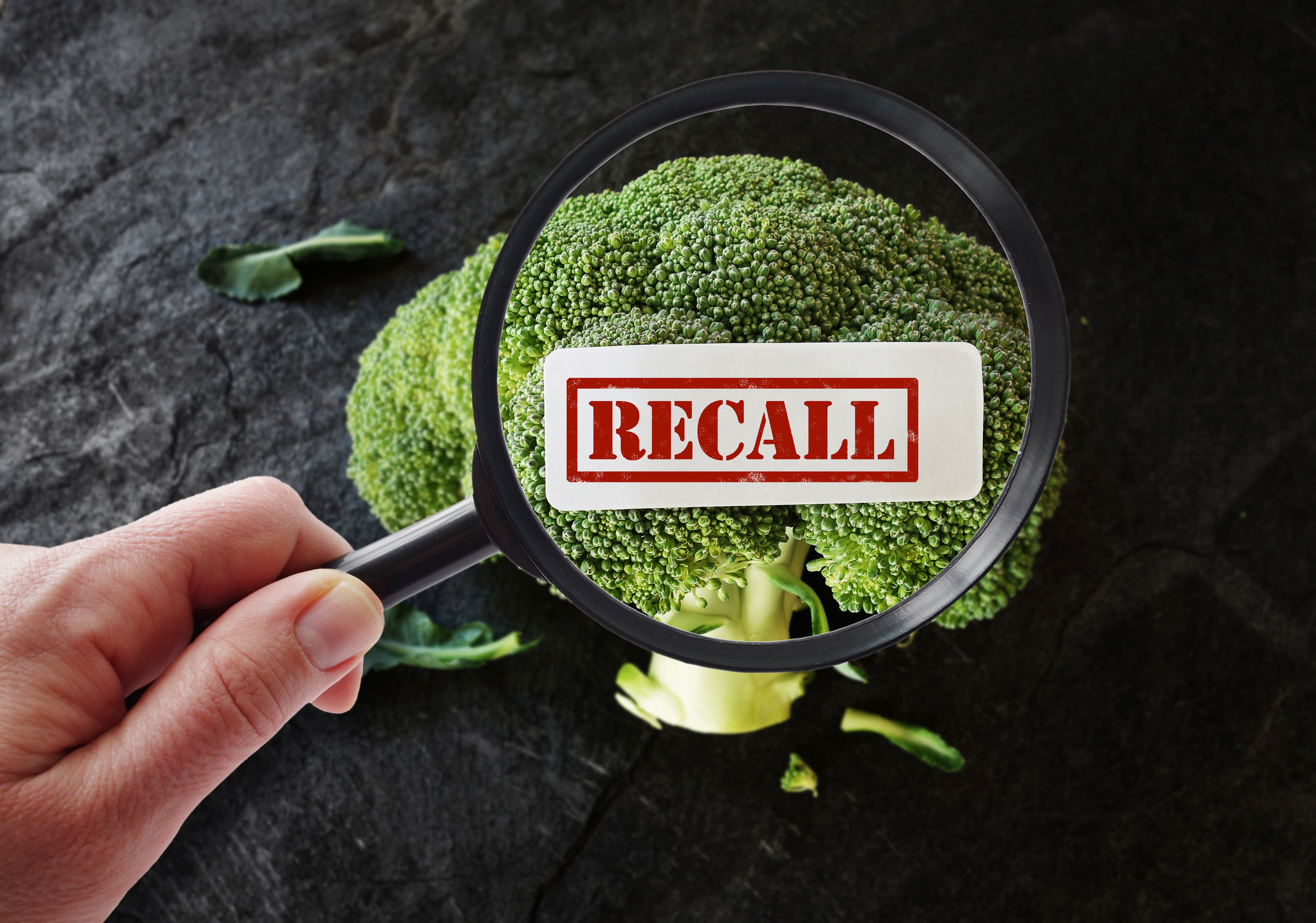
Food recalls are certainly unsettling. However, they can also be reassuring. Food manufacturers and inspectors are getting better at finding potential problems.
If you discover you have a food that’s been recalled, don’t panic. Take these steps to protect yourself, your family, your animals and others, and possibly get your money back.
Educate yourself.
Most food recalls are not the result of possible bacterial contamination, such as E.coli or Listeria. Indeed, the majority of recalls are related to potential contamination issues from foreign objects (metal or plastic shavings) or undeclared allergens (milk, peanut, eggs).
Some recalls are also a precautionary measure; a company may discover proper inspection protocol was not followed.
However, not every food recall gets national attention. Recalls for romaine lettuce, flour and ground turkey have made headlines in the past because the size of the recalls was quite large. Smaller recalls happen every day but may not be known.
To fully understand any food recall, see the Food and Drug Administration Recalls, Market Withdrawals & Safety Alerts web page.
Don’t eat the food.
It’s worth repeating: Don’t eat any recalled foods.
If a food has been recalled for an undeclared allergen, such as milk, and no one in your family has a milk allergy, you may feel safe eating the food. It’s still wise to heed the company’s recall.
Likewise, do not donate the food, give it to anyone else or feed it to a pet.
Don’t open the food.
You cannot see, smell or taste foodborne pathogens like E. coli and Listeria. But you can transfer the bacteria from the contaminated food to your entire kitchen if you open the food and touch it.
If you must handle the food to throw it away, wash your hands with warm water and soap. Wash any containers in which the food was stored, too. A high-temp wash in the dishwasher is more likely to kill bacteria than a hand-wash alone.
Follow the guidelines.
With each food recall, companies are required to offer consumers guidance on what to do with the food. Companies will likely suggest you do one of two things:
Clean your kitchen.
Once the food is out of your house, it’s time to clean your refrigerator thoroughly. Additionally, use antibacterial wipes or a bleach solution and paper towels to clean your kitchen, especially areas where the food may have been prepared or cooked.
Watch for future food recalls.
You can continue to watch the FDA’s Alerts page. You can also sign up for delivery alerts, which will be emailed to you with every new recall or withdrawal. (As a warning, these do happen frequently, so your inbox will be busy.)
Lastly, if you’re concerned about food recalls specifically because of allergy issues, you can monitor the Food Allergy Research & Education Allergy Alerts page.
And...
If you've already eaten the recalled food and are experiencing severe gastric distress, call your doctor or visit your local urgent care.
(Real Simple magazine provides smart, realistic solutions to everyday challenges. Online at www.realsimple.com.)
©2023 Dotdash Meredith. All rights reserved. Used with permission. Distributed by Tribune Content Agency, LLC.









Comments