Why Trump’s plan to rescind the Roadless Rule protecting national forests will struggle in court
Published in News & Features
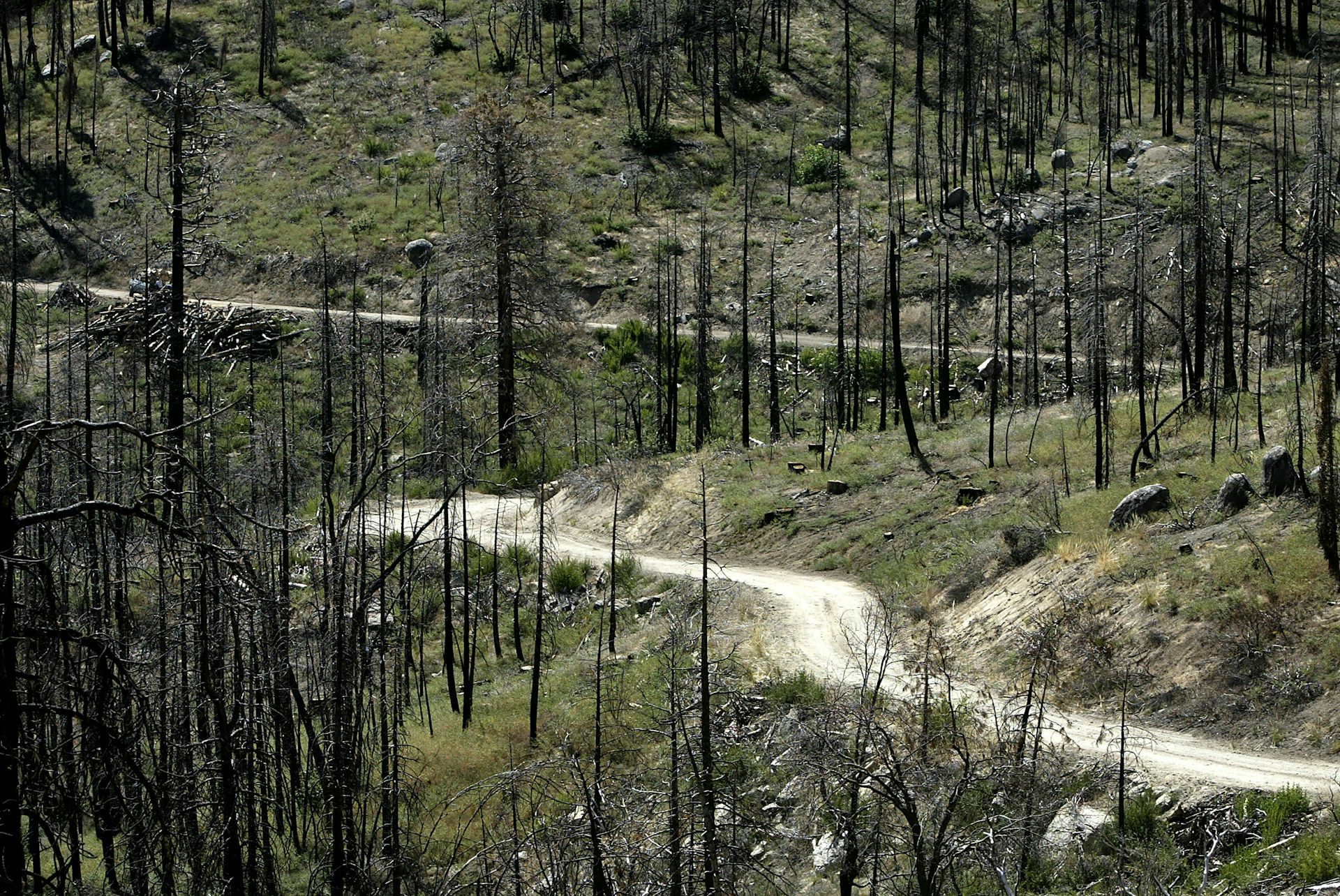
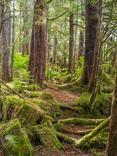

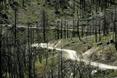
Over 368,000 miles of roads wind through U.S. national forests, eight times more than the entire interstate highway system. Many are heavily eroded and prone to landslides, and driving vehicles on them can spread invasive species. They need billions of dollars in repairs.
Yet the Trump administration wants to build more roads in America’s national forests to expand timber production, specifically in untouched areas currently protected by the 2001 federal Roadless Rule.
In announcing the administration’s formal proposal to rescind the Roadless Area Conservation Rule on Aug. 18, 2026, Secretary of Agriculture Brooke Rollins argued that building roads in these areas is important for fighting wildfires.
However, data show that roads actually tend to increase the risk of fires igniting. They bring more human activity, including sparks from vehicles that can start fires. The Forest Service acknowledges in a draft environmental impact statement accompanying the proposed policy change that the frequency of wildfires is actually significantly lower in roadless areas compared with other national forest lands.
If the Trump administration goes through with rescinding rule after a 30-day public comment period ends Sept. 21., you can count on lawsuits, and they won’t be easy for the administration to win.
There has been overwhelming public opposition to rescinding the Roadless Rule. Conservation organizations and communities such as the Alliance of Sovereign Tribes of Southeast Alaska, who live within the Tongass National Forest, have vowed to fight the proposal tooth and nail.
I am an environmental law scholar who argued the first case upholding the Roadless Rule, in 2002. I see several reasons why the White House will have a hard time succeeding in court this time, too.
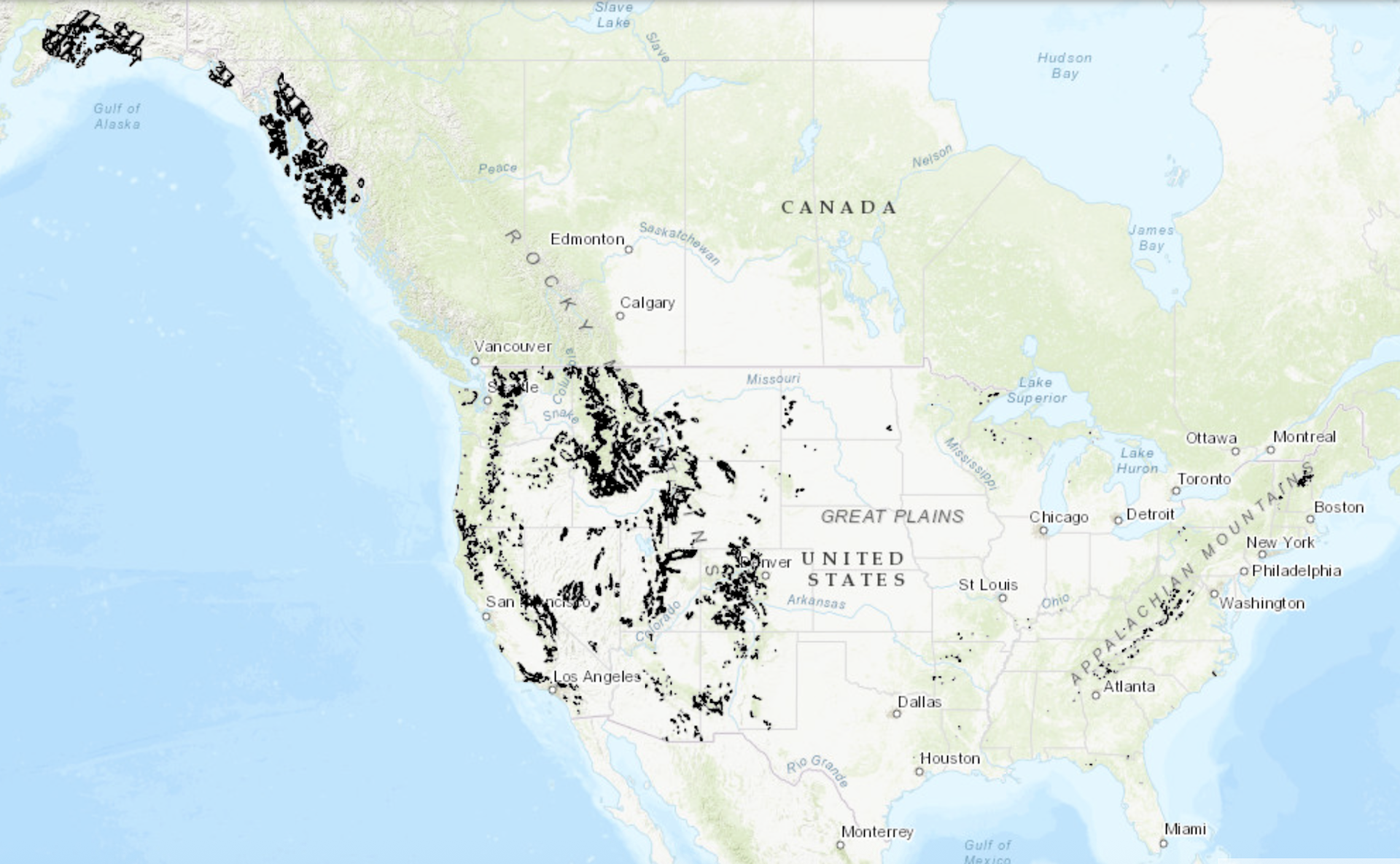
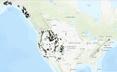
The U.S. Forest Service adopted the Roadless Area Conservation Rule in January 2001, protecting more than 58 million acres of forest under the National Forest Management Act in response to a directive from President Bill Clinton.
It is one of the most important conservation measures in the history of the national forests.
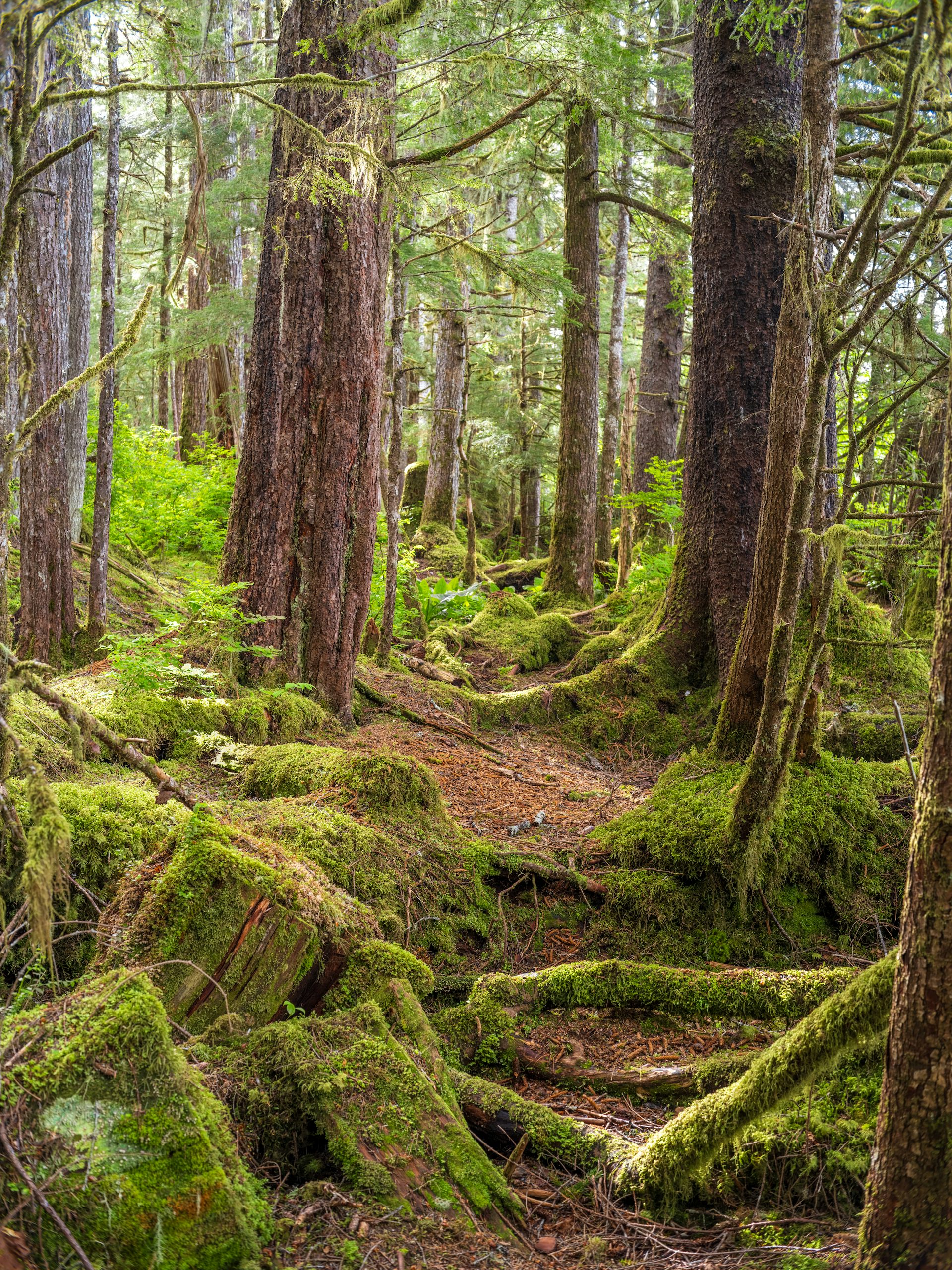
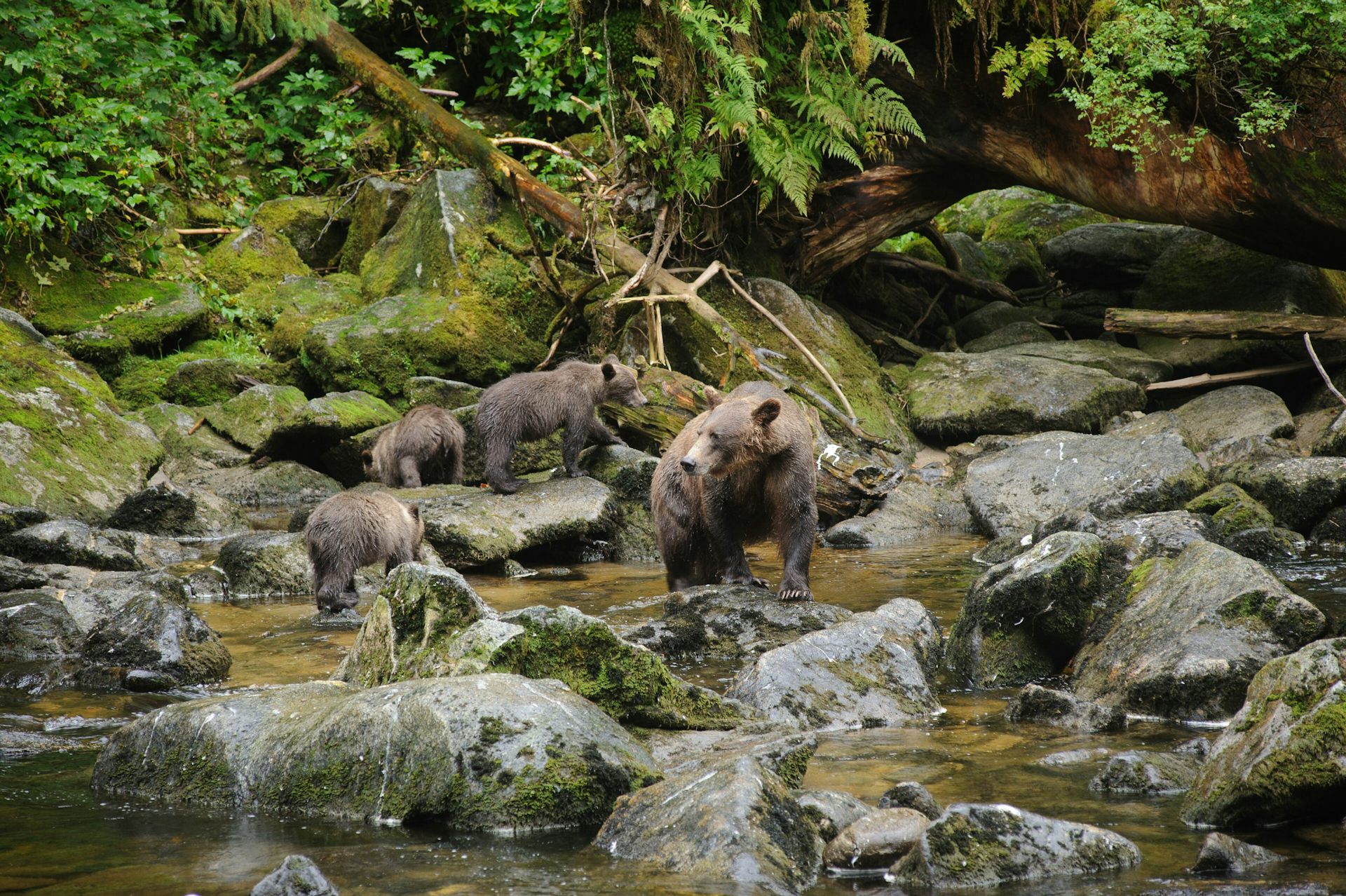
Roadless areas provide large, relatively undisturbed landscapes that are important to biological diversity and the long-term survival of endangered and threatened species, including wolves, grizzly bears, wolverines, Pacific salmon and even jaguars.
These areas also safeguard over 80,000 miles of rivers in the continental United States. They are the source of clean drinking water for 25 million Americans. They also store massive amounts of carbon, keeping planet-warming carbon dioxide out of the atmosphere.
The Roadless Rule covers about 30% of land within the national forests. With some important exceptions, it prohibits roadbuilding, commercial logging and mineral extraction. It does, however, allow measures to control fires, such as thinning and prescribed burning, as well as pest and disease control.
Building roads comes with long-term costs. The maintenance needed on the 368,000 miles of roads in America’s national forests was one impetus for the Roadless Rule in 2001.
The backlog of deferred maintenance was growing rapidly then, and it is even higher now. According to the draft environmental impact statement, the cost of unaddressed maintenance needs for just roads and bridges that can carry passenger vehicles reached US$6.9 billion in 2024, and there are many other roads.
On Jan. 8, 2001, three days after the original Roadless Rule was published, the timber industry, the Kootenai Tribe and Western state and local governments filed suit, alleging that the rule violated the National Environmental Policy Act and the Administrative Procedure Act.
The U.S. District Court in Idaho issued a preliminary injunction blocking the rule two months later. Newly inaugurated President George W. Bush opted not to appeal; however, conservation groups intervened. Earthjustice represented one set of intervenors, and I represented the nonprofit Forest Service Employees for Environmental Ethics.
The court first had to determine whether we had standing to defend the rule when the government had declined to do so. Ultimately, the court concluded that we did. In so doing, it set a precedent that has been followed by other courts to ensure that someone will defend the environment – to speak for the trees, as it were – even when the officials in charge refuse to do so.
The timber industry and others made many of the same arguments then that the Trump administration is making now in support of rescinding the rule. The court rejected those arguments.
The court also determined that the Forest Service had provided ample opportunities for public participation when the 2001 rule was written. The Forest Service held over 400 public meetings and issued a detailed environmental impact statement that made a strong case for conservation and evaluated a reasonable range of alternatives to the proposed Roadless Rule.
The rule has withstood a flurry of legal and political challenges over the years, so the Trump administration will have to overcome a large body of legal precedent to justify jettisoning the rule now.
President Donald Trump will argue that presidents are entitled to change the policy of public lands management. That’s true, but they cannot do so without persuasive reasons for reversing a long-standing policy that enjoys overwhelming public support. About 99% of the comments the government received on its August 2025 notice of intent to prepare the draft environmental impact statement were opposed to the change.
The Supreme Court has found that reversing a long-standing policy becomes arbitrary when the explanation for its decision “runs counter to the evidence before the agency.”
If anything, the evidence in favor of retaining the Roadless Rule is more compelling now than ever.
Studies show that almost 80% of human-caused fires on national forests begin within a half-mile of a road. Opening these areas to commercial logging and thinning risks increasing wildfires by removing mature fire-resistant trees, increasing the drying effects of sun and wind and leaving behind flammable debris.
There are other potentially fatal flaws in the government’s effort:
The 30-day comment period on a dense and technically complex 240-page environmental impact statement, with no additional public meetings, robs the public of time for meaningful input under the National Environmental Policy Act, or NEPA. By contrast, the public comment period on the original rule in 2001 was 59 days, and there were 400 public meetings.
When the government proposes a policy change affecting the environment, it is required to include an analysis of the likely environmental impact of its proposed change and to compare it with alternative solutions. However, the Trump administration eliminated several reasonable alternatives from its analysis because they would not satisfy the president’s March 2025 executive order to expand timber production.
The draft environmental impact statement fails to consider, in any detail, the foreseeable impacts on endangered species, historic and cultural properties and community water supplies from opening these areas to extractive industries.
The required economic analysis is also flawed because projected timber revenues cannot cover the massive costs of building and maintaining new roads in remote forests.
The Trump administration’s lack of meaningful consultation with Indigenous tribes will also no doubt lead to lawsuits.
If the administration’s plan goes forward, the Forest Service will find itself in the eye of a storm, with more roads to maintain than it can manage, more lawsuits and rising fire risks as human activity spreads deeper into America’s wildlands.
This article is republished from The Conversation, a nonprofit, independent news organization bringing you facts and trustworthy analysis to help you make sense of our complex world. It was written by: Patrick Parenteau, Vermont Law & Graduate School
Read more:
Ancient forests took 100,000 years to recover from the last global warming period similar to today – Wyoming fossils reveal what happened
Paving paradise: Dismantling the Roadless Rule threatens to disrupt wildlife, water and peace in the last quiet places in America
Keeping trees in the ground where they are already growing is an effective low‑tech way to slow climate change
Patrick Parenteau does not work for, consult, own shares in or receive funding from any company or organization that would benefit from this article, and has disclosed no relevant affiliations beyond their academic appointment.



Comments