In memory care deserts, senior centers can help close the gap in brain-related healthcare
Published in News & Features
About 90 miles north of Phoenix, the town of Yarnell nestles atop a winding mountain road. Phoenix, a sprawling city of more than 1.6 million people, has one physician for every 2,407 people. But in Yarnell and other rural areas in Arizona, the ratio is one for every 3,896. Like many rural residents across the U.S., people in this small town face major barriers to care – especially those with cognitive issues.
The U.S. Census Bureau estimates the American population aged 65 and older will increase by 17 million from 2026 to 2050. The aging populace has already led to an unprecedented rise in the prevalence of Alzheimer’s disease and related dementias. More than 7 million Americans currently live with dementia. Research shows that by 2060, this number could increase to over 13 million.
Early detection of cognitive issues can mean more years with a relatively high quality of life. But for the roughly 20% of Americans who live in rural areas, access to cognitive care does not come easily. Rural communities face geographic isolation, financial strain and a lack of specialized providers.
In our research in Northern Arizona, we’ve seen firsthand how pervasive these barriers to care are. We are a team of psychologists, social workers, graduate student researchers and public health experts. We study culturally informed, community‑based health approaches to promote brain health and reduce dementia risk in rural communities.
Through a collaboration with the Arizona Alzheimer’s Consortium, our project, the Northern Arizona Memory Study, aims to use Arizona as a model for improving access to brain health resources for rural communities across the United States.
Areas lacking specialized services for brain health are called memory care deserts. When people in these regions of uneven access to care experience a decline in cognitive function, they may not know whom to turn to for assistance. Our multidisciplinary research team recognizes that improving brain health outcomes begins within the community. For many older adults, the local senior center serves as the heart of the community.
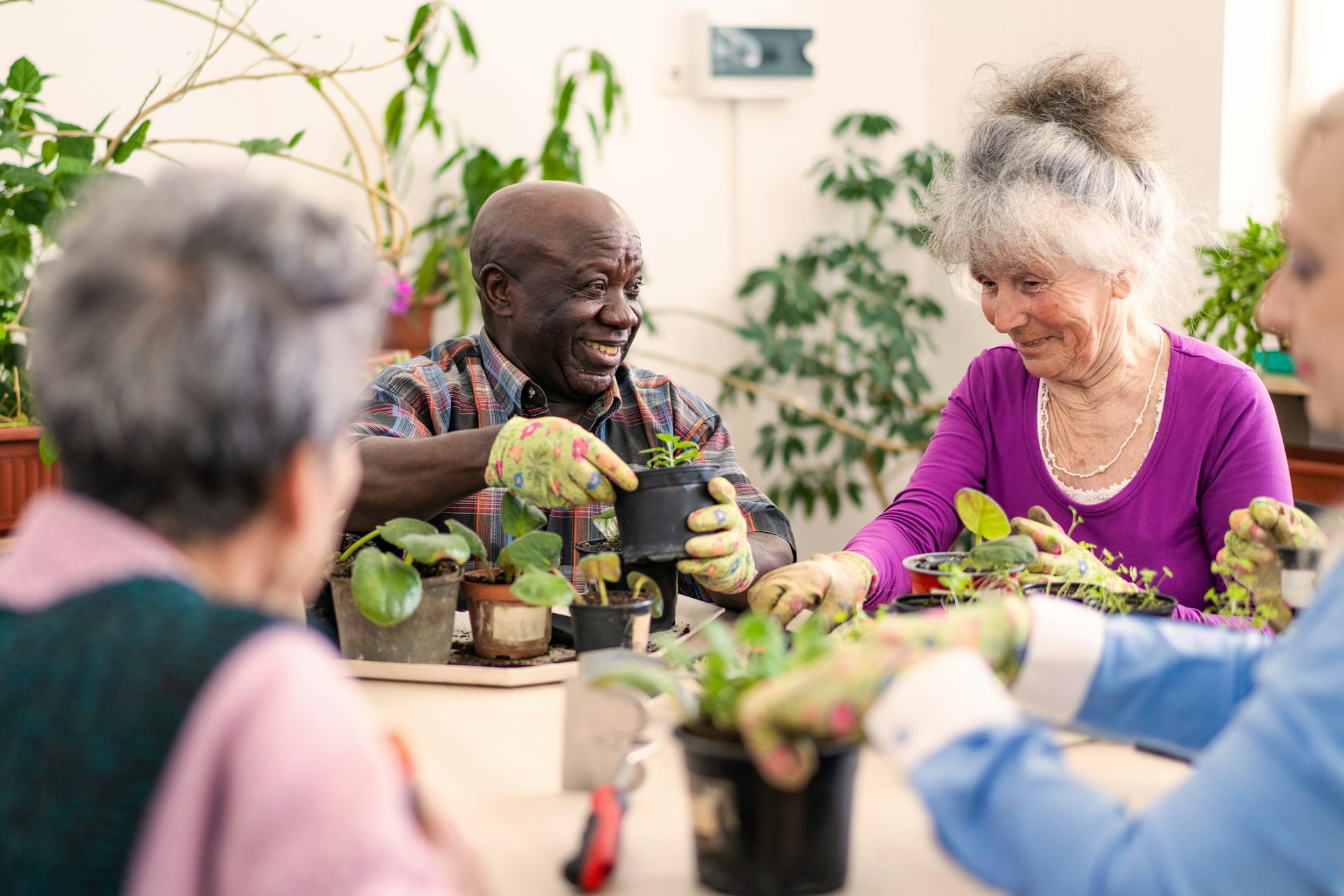
Through a national network of 11,000 senior centers, over 1 million older adults in these communities have access to recreational care and activities. Approximately 43% of senior centers are in rural areas. Older rural residents often are familiar with senior center staff, and staff possess deep knowledge of local contexts. These make senior centers ideal partners for addressing growing public health concerns around memory care.
As part of a research study, our team provided the Yarnell senior center with two free memory screening tools to check for early dementia risk. Through taking time to understand this center’s culture and strengths, we built a long-term partnership in which we could provide timely referrals to memory care clinics.
Given that each senior center has unique strengths and challenges, we found that a one-size-fits-all approach is not practical. A community-based participatory research model allows researchers to develop digital health tools specifically for rural older adults, caregivers and their loved ones. Digital health technologies are especially helpful in areas without physical healthcare infrastructure. For instance, they can be used to remotely detect cognitive issues and monitor and support brain health in older adults.
Early detection and timely dementia diagnoses are critical for care management, but people living in remote places face greater delays in initial diagnoses than those in urban areas. Transportation issues, costs of services and a lack of care options make accessing information on dementia, caregiving and specialized supports for memory care particularly difficult for rural communities.
Some dementia symptoms, such as wandering, can be especially challenging to manage in rural areas where trusted neighbors may live miles away. Few people may be available to help if a person becomes lost.
As part of our work with rural senior centers, we hosted roundtable discussions and interviewed caregivers and older adults who screened within the range of mild impairments at risk for future dementia. This multipronged approach helped us better understand the challenges people in rural areas face when they need memory care.
Participants said they traveled more than two hours to reach the closest primary care provider. They added that seeing a specialist took them a whole day. Telehealth appointments were a welcome option.
“I’ve observed that the older we get … the narrower our world becomes,” said one participant, who said that for her, telehealth “is fantastic.” Yet, in many rural areas internet connectivity can be sporadic or too low in bandwidth for telehealth appointments. Likewise, inconsistent cellular service can cause disruptions during phone appointments.
Families expressed concerns about their loved ones’ abilities to handle everyday tasks. They explained that family members with cognitive impairment sometimes forget to lock doors, misplace car keys or become confused about the day of the week.
But they explained that despite their worries – especially for loved ones who had a higher dementia risk – consistent care remained hard to access. “Growing up in the rural area, we don’t have any resources here,” a different participant explained. “We’re just starting to get stuff.”
Both detected and undetected declines in brain health can pose serious risks if people are not able to access the screenings and other care they need. If left untreated, these mild impairments and declines could lead to Alzheimer’s disease and related dementias. Compared to people with dementia living in urban places, those in rural areas experience more days in nursing homes and significantly higher mortality.
Many older people said they rely on senior centers for brain health education and general wellness. For those with cognitive issues, senior centers were vital to their emotional well-being and sense of safety.
But our meetings with families and older community members in senior centers throughout Arizona affirmed that gaps in memory care are systemic rather than isolated. They consist of breakdowns across coordination of care and support services from local healthcare clinics.
Our conversations also reinforced a shared vision between researchers and participants in our study about the importance of supporting brain health and reducing dementia risk.
As our team continues to build connections with communities in the region, we have established strong working relationships with additional regional partners, including those serving sovereign tribal nations in the Southwest. Through these connections, we have been able to identify immediate needs and direct community members to available screenings and support.
Our work shows three ways researchers and local health clinics can help close brain health gaps across rural America:
Build strong relationships with rural communities to maintain trust and cultural competency.
Participate in long-term engagement with senior centers to bring brain health screenings, information and support to memory care deserts.
Prioritize the community and understand local strengths and barriers to create sustainable structures for reducing dementia risk.
Through collaborative efforts, researchers, healthcare providers and senior centers can facilitate an equitable allocation of resources – ensuring individuals and families affected by cognitive impairment have access to the support they deserve.
This article is republished from The Conversation, a nonprofit, independent news organization bringing you facts and trustworthy analysis to help you make sense of our complex world. It was written by: Rasheera Dopson, Northern Arizona University; Eric Cerino, Northern Arizona University; Megan McCoy, Northern Arizona University, and Paulina German, <="" em="">
Read more:
How to keep dementia from robbing your loved ones of their sense of personhood – tips for caregivers
Dementia risk factors identified in global report are all preventable – addressing them could reduce dementia rates by 45%
New studies suggest millions with mild cognitive impairment go undiagnosed, often until it’s too late
I serve as a graduate research assistant for the Northern Arizona Memory Study which receives funding from the Arizona Alzheimer’s Consortium.
Eric Cerino works for Northern Arizona University and is the Co-Principal Investigator for the Northern Arizona Memory Study. The Northern Arizona Memory Study receives funding from the Arizona Alzheimer's Consortium.
Megan McCoy works for Northern Arizona University and is the Co-Principal Investigator for the Northern Arizona Memory Study. The Northern Arizona Memory Study receives funding from the Arizona Alzheimer's Consortium.
I serve as a Graduate Research Assistant for the NAU School of Social Work and work on the Northern Arizona Memory Study which receives funding from the Arizona Alzheimer’s Consortium.






Comments