Burnham sows confusion over stance on UK income tax allowance
Published in News & Features
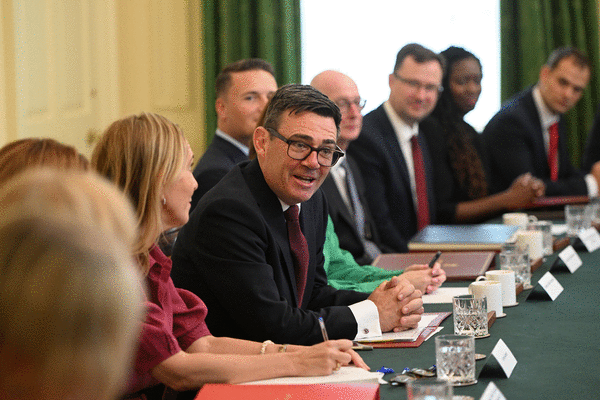
LONDON — U.K. Prime Minister Andy Burnham said he would look at whether he could increase the cap on tax-free earnings, another shift in communications over a policy that would cost billions of pounds if implemented.
“There is no commitment at this point to change, but we will look at that at the budget,” Burnham told broadcasters on a visit to Bath on Wednesday morning. There will be no “unfunded’ promises, he said.
It marked the latest twist in an increasingly muddled approach to the proposed tax cut as Burnham seeks to show he is taking action on the cost of living without rattling investors concerned about how much his policies will cost.
Burnham suggested earlier this week that he could raise the £12,570 ($17,000) threshold at which individuals start paying income tax, effectively giving millions of workers a tax break. But on Tuesday evening his aides suggested he was no longer considering the idea. Then, on Wednesday, Burnham reopened the door.
The episode demonstrates the potential pitfalls of Burnham’s more empathetic and conversational style compared to his predecessor Keir Starmer, who was often criticized for his more wooden approach and cautious language.
While Starmer steadfastly refused to discuss tax policy outside of fiscal events, Burnham is more willing to talk about ideas publicly before they are fully formed. The danger is that sends a confusing signal to markets at a time when he is also trying to convince investors of his commitment to fiscal prudence.
“It’s just perhaps the way politics is these days and the way people report things, but that was an honest answer,” Burnham said in an attempt to explain the confusion.
The £12,570 personal threshold has been frozen for five years, resulting in more people being dragged into paying tax as earnings rise with inflation. Burnham told the Times newspaper over the weekend of “frustration about the personal allowance” he had heard while campaigning in the by-election that gave him a seat in the House of Commons last month. The issue was “lodged in my mind,” he added.
The prime minister then told reporters after taking power on Monday that “all of this will be looked at” in the next budget, while conceding any change would be expensive and “difficult given the financial circumstances in which we find ourselves.”
Even a £100 increase in the allowance would cost the U.K. Treasury more than a billion pounds, according to analysis by EY last year. Increasing it by 10% would cost £11.7 billion. The Labour government’s reluctance to change the threshold was reported late Tuesday by U.K. newspapers including the Financial Times and Telegraph.
Burnham has committed to his predecessor Keir Starmer’s Labour Party campaign manifesto from 2024, which included a promise not to increase rates of income tax. That would rule out increasing the top rate of income tax paid by higher earners to offset the cost of raising the personal allowance.
The prime minister is facing questions about how he will fund the lofty policy goals he has floated his first days in government as he attempts to rebuild support among a disaffected electorate that soured on Labour under Starmer. Yields on the benchmark 10-year U.K. government bond reached a two-year high on Tuesday as investors look for credible fiscal plans.
Burnham and his new chancellor of the Exchequer, John Healey, pledged fiscal discipline at the first meeting of the new Cabinet on Tuesday while repeating promises to ease the cost of living for millions of voters. “We’ve got to show that our commitment to the fiscal rules is real, and we’re prepared to make difficult decisions in relation to that,” Burnham said.
The government announced on Tuesday that it would scrap a 5% tax on energy bills starting from October. Burnham has said there will be further measures announced later this week to ease cost pressures on working Britons.
On Wednesday Burnham is expected to announce a reduction on the national cap on all bus fares in England outside London to £2 from £3. The change is set to come into force in January.
©2026 Bloomberg L.P. Visit bloomberg.com. Distributed by Tribune Content Agency, LLC.





Comments