How Pennsylvania towns are protecting themselves from the noise, heat and utility costs of massive data centers
Published in News & Features
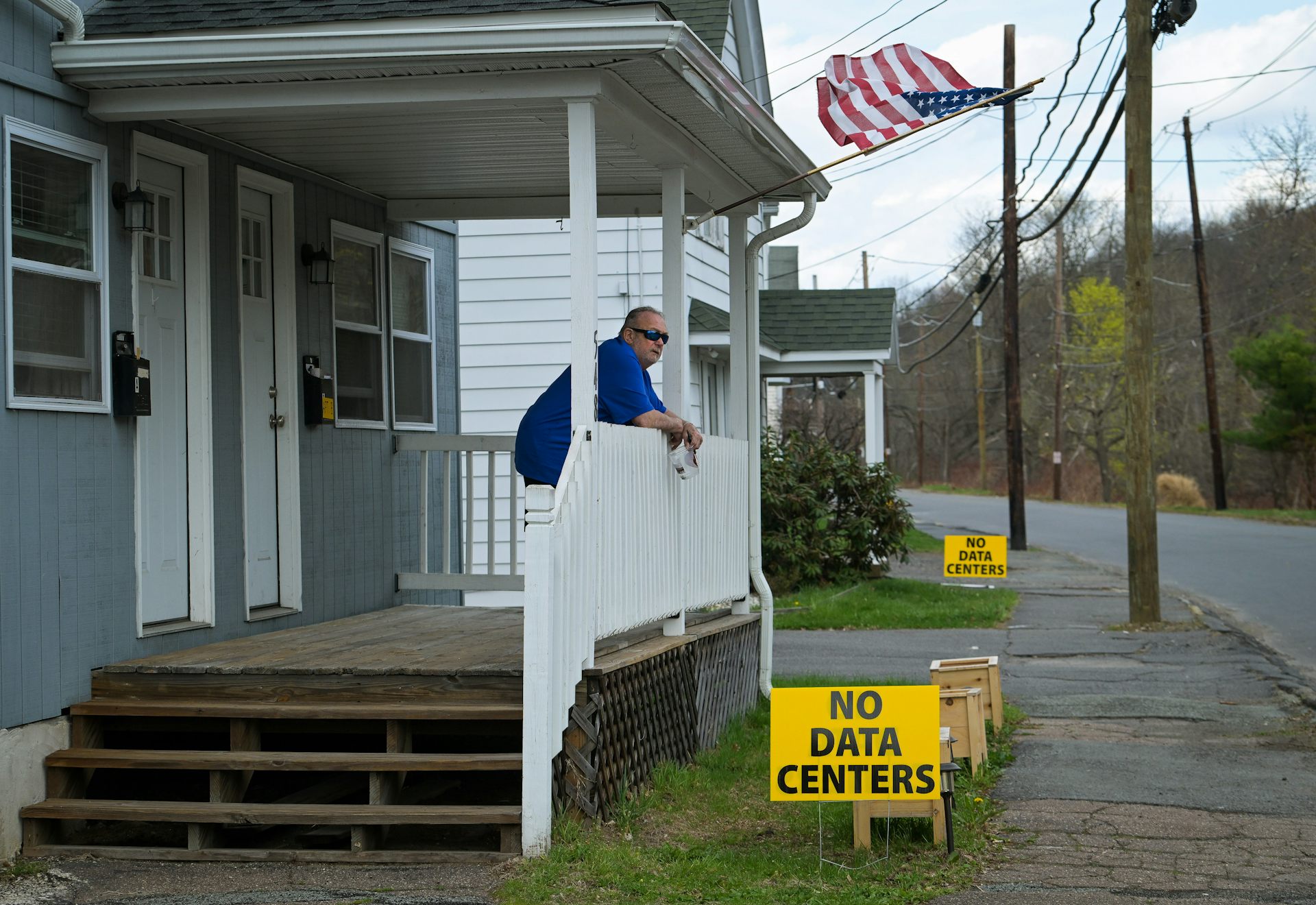
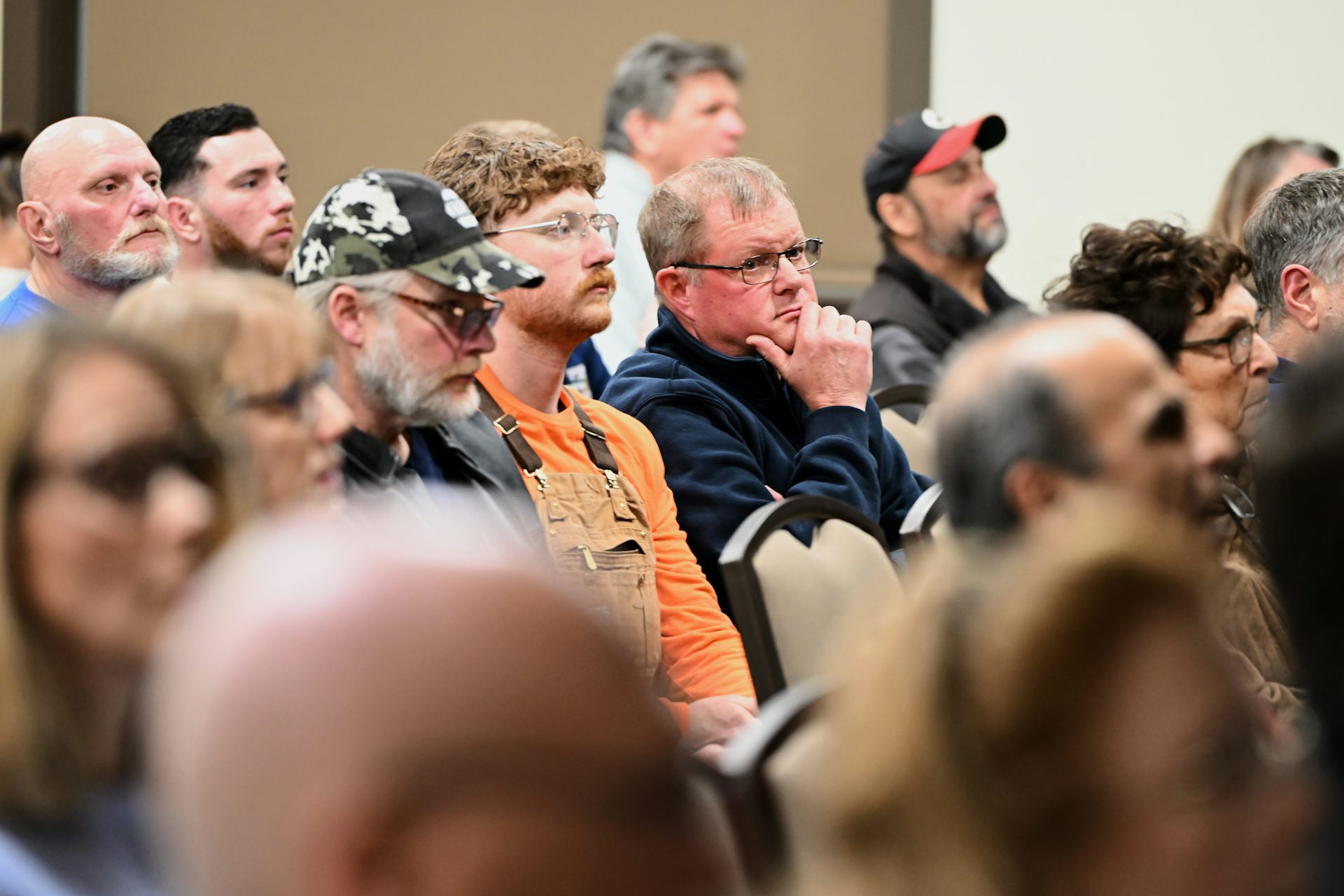
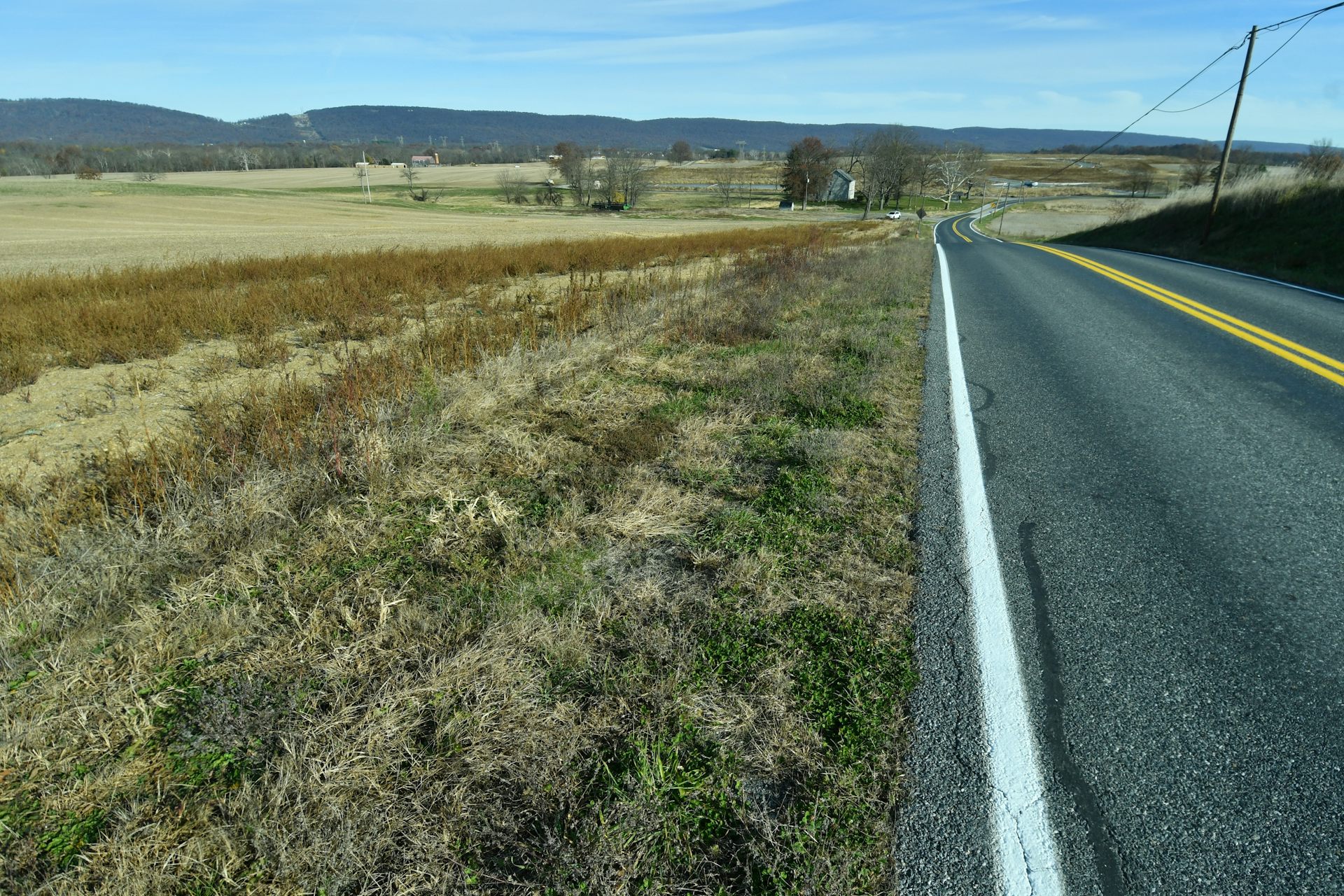


Pennsylvania has become a hot spot for data center proposals and public backlash about where to build them.
I’m a law professor and executive director of Penn State’s Center for Energy Law and Policy. I’m also a native of Archbald, a borough of 7,500 residents in the Lackawanna Valley in northeastern Pennsylvania. My hometown has drawn national attention because of proposals for multiple data centers that would cover 14% of its area.
Because of my professional and personal interest in data centers, I have been researching local responses to data center proposals across Pennsylvania. I’ve learned there are a host of considerations that local officials and citizens are taking into account when they evaluate data center proposals.
At its most basic, a data center is a building that houses and runs large computer systems.
Because data centers tend to be large developments, hosting one can provide a community more tax revenue. This revenue comes from increased property tax assessments as well as newly created jobs.
However, these job are mostly limited to the construction phase. One estimate suggests a moderately large data center would create about 15-30 long-term jobs.
On the other hand, data centers raise concerns about environmental and social impacts. They consume large amounts of energy and water, leading to fears of higher water and electric utility bills for other consumers.
Emissions from diesel generators can contribute to local air pollution and worsen asthma and other health conditions.
Data centers have also been shown to create heat island effects, raising the local air temperature by an average of 3.6 degrees Fahrenheit (2 degrees Celsius).
They can also be loud due to the noise from cooling systems and diesel generators. And some residents object to what they consider eyesores in rural or suburban communities.
Because of the significant impact that a data center can have on its surroundings, communities benefit from planning ahead before any proposal has even been made in their area.
One of the most powerful tools a Pennsylvania municipality has is its authority over zoning under Pennsylvania’s Municipalities Planning Code.
Under this law, a municipality generally cannot completely exclude from its zoning ordinance a legal use of a property unless it is inherently objectionable. An example of an inherently objectionable use might be a heliport in a heavily residential municipality.
But it can regulate where within the municipality buildings or other structures can be constructed and how they can operate.
Many Pennsylvania municipalities, including East Vincent Township and Jessup Borough, have amended their zoning ordinances to account for data centers.
The Pennsylvania municipalities of Fairview Township and Butler Township/Arendtsville Borough have restricted data centers to industrial zones. Mayfield Borough has restricted them to commercial zones.
Municipalities can also determine what level of municipal approval is required for a data center development. In Pennsylvania, uses can be allowed “by right,” “special exception” or “conditional use.”
“By right” means that no approval is required as long as ordinance provisions are followed.
By “special exception” requires approval from a municipal zoning hearing board.
By “conditional use” requires approval from the municipality’s governing body. This might be a board of supervisors or borough council.
Most Pennsylvania municipalities that have addressed this issue have designated data centers as a conditional use. Some, such as Butler Township/Arendtsville Borough, have allowed them as a special exception. When a municipal body evaluates an application for a conditional use or special exception, it must determine whether the proposed data center complies with the zoning ordinance and that it would not otherwise injure the public interest.
Another significant tool that municipalities have used is setback distances. A setback distance defines how far a data center structure must be from an adjacent property.
In Pennsylvania, ordinances have established setbacks for data centers from 50 feet (15 meters) to 400 feet (122 meters). Many ordinances establish longer setbacks from residential properties, hospitals or schools than from industrial sites.
Many ordinances also require plans or studies to be submitted as part of a zoning application. Noise or sound studies are common ones. These studies are intended to establish background noise levels for the area of the proposed data center and to identify ways to mitigate noise impacts.
Municipalities may also require developers to submit an environmental impact assessment, transportation impact study or emergency response plan, such as for a fire on-site.
Learning about the specifics of a particular data center proposal can help a community to understand the potential impacts – both positive and negative – and prepare a response.
Local residents and officials should be poised to ask probing questions about:
power and water demand, and the source of those resources
infrastructure needs
utility rate impacts
cooling system design and noise and resource consumption impacts
site design and landscape impact
job creation and tax revenue projections
noise mitigation strategies
traffic effects
air and water pollution emissions
Penn State Extension published a guide to common questions about data centers that may facilitate discussions with community officials and data center developers.
It may be possible in some circumstances for municipalities to negotiate community benefits agreements with data center developers. These agreements can ensure that the host community obtains certain specified benefits, such as local workforce guarantees or infrastructure development, as a result of the data center project.
The drive to build data centers and related infrastructure is moving quickly. By updating ordinances in advance, and diligently collecting information about any data center proposals that are made, local officials and citizens can protect the best interests of their communities.
Read more of our stories about Philadelphia and Pennsylvania, or sign up for our Philadelphia newsletter on Substack.
This article is republished from The Conversation, a nonprofit, independent news organization bringing you facts and trustworthy analysis to help you make sense of our complex world. It was written by: Michael Helbing, Penn State
Read more:
5 ways data centers endanger their local communities and the country as a whole
Abandoned Pennsylvania mines and waste‑heat recycling could make the state’s massive new data centers far more sustainable
Why your electricity bill is so high and what Pennsylvania is doing about it
Michael Helbing's work for the Penn State Center for Energy Law and Policy has received funding from the Sloan Foundation, Arnold Ventures, the Center for Rural Pennsylvania, the U.S. Department of Energy, the Commonwealth of Pennsylvania, and the National Science Foundation. He is a member of Citizens for a Healthy Jessup and has volunteered for the Democratic Party. He owns shares in PPL Corporation.







Comments