Tech review: Affordable OLED TVs? Roku says why not?
Published in Science & Technology News
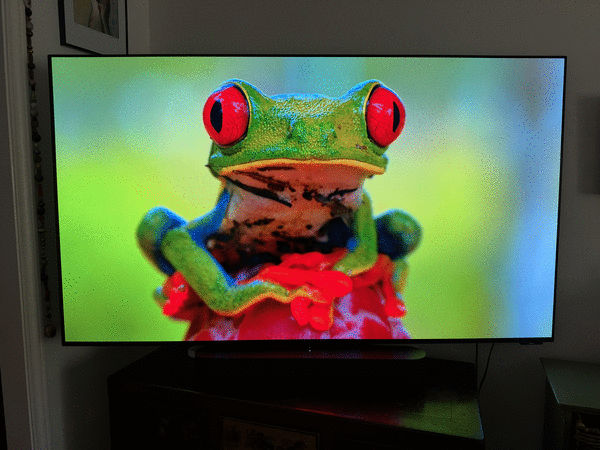
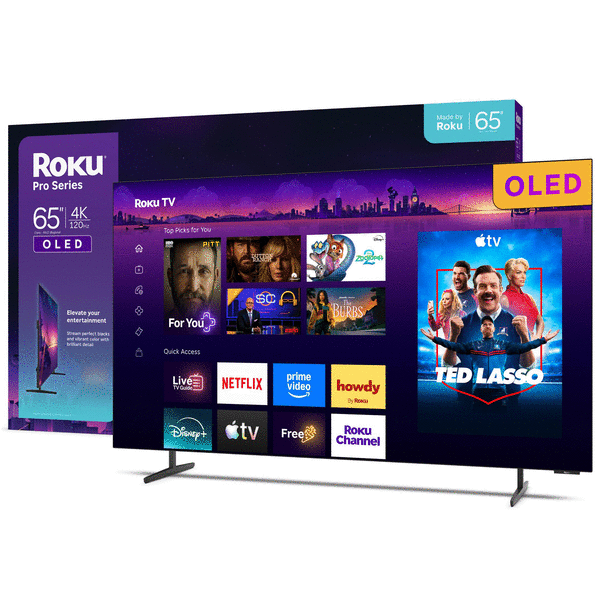
Roku is a brand most of us know for streaming sticks and streaming boxes that turn any TV into a smart TV.
Roku also licenses its operating system to TV manufacturers, which means you could buy a TCL TV that runs the Roku operating system.
For the last few years, I have been aware of Roku-branded TVs, but I never really gave them much thought.
Recently, Roku has started making better than average TVs, including their Pro Series.
This year Roku has made the jump into the deep end of the TV market by introducing two OLED TVs.
If you don’t pay attention to TV technology, OLED panels (organic light-emitting diode) are the best choice for picture quality.
OLED panels contain pixels that produce their own light rather than relying on a separate backlight. This means each pixel can produce any color, and when it turns off, it produces a true black. This makes for a very sharp and colorful picture with amazing contrast.
OLED TVs tend to be exceptionally thin, because they don’t need a separate light source behind the screen.
If you think all these OLED features sound expensive, you’d be right, but Roku’s OLED TVs are pleasantly affordable.
The Roku’s Pro Series OLED TV comes in 55-inch and 65-inch models. I’ve been reviewing the 65-inch Pro Series OLED TV ($1,199.99, Roku.com). The higher-end Pro Series LX OLED models are coming out soon, but were not available to review yet.
With the holidays coming fast, watch for sales. This 65-inch model is priced at $999 on Amazon as I write this, and Black Friday sales are looming.
Specs
The Pro Series OLED TV has a 65-inch 4K screen with Dolby Vision, HDR10+, HLG with a 120-hertz refresh rate. The refresh rate is important if you like to watch sports or action movies, or if you’re a gamer.
Inputs include four HDMI 2.1 ports (one with eARC for your soundbar). Connectivity includes Ethernet, Wi-Fi 5 and Bluetooth headphone support. It also has USB-A and USB-C ports on the back and a coax antenna input as well as an optical audio port.
The OLED set weighs just 37 pounds with the stand. For comparison, the Roku Pro Series 65-inch Mini-LED TV weighs 62.3 pounds. Speaking of the stand, it attaches with thumb screws — no tools required.
Unboxing
The Pro Series OLED was very easy to set up. Roku thoughtfully includes cable straps on the back to keep your input and power cables tidy.
The set is light enough to lift by yourself, but take care with lifting to not stress the screen. Lift from the bottom and have a friend help with the placement if you’re hanging it on a wall.
The Roku interface setup is simple enough, but it does require an internet connection — wired or wireless. You’ll also have to create a Roku account.
The Roku setup will ask you what streaming services you use and download those for you. They also have an app store with every app I’ve ever heard of and hundreds more.
The Roku interface is super-fast and responsive with the backlit remote. The remote includes two AAA batteries. The LX model will include a rechargeable Roku remote.
In the room
The Roku Pro Series OLED has a stunning picture. Colors are as vibrant as I’ve ever seen and the black levels are unreal. The viewing angle for people who sit on either side of the set is really good. There are tons of picture adjustments available if you geek out on getting into the color and contrast and brightness minutiae. I was happy to find a picture mode called Smart Picture Max that lets the OS make picture adjustments on the fly based on what’s on the screen.
You might think I’ve only been heaping praise on the Pro Series OLED TV, and it deserves all the good comments — but there are some things I wish were better.
The Pro Series OLED TV is not the brightest TV I’ve reviewed. I’ve recently unboxed the 55-inch Roku Pro Series Mini-LED 4K QLED, and the picture is much brighter. When I was setting up the OLED, I cycled through the settings looking for a bit more brightness. The picture really shines when I close the blinds.
I’m also not a huge fan of the Pro Series OLED’s speakers. One drawback of a very thin TV is that there isn’t much room for a sound system of any substance.
For watching the nightly news, the sound is fine, but I highly recommend a sound bar with this TV — especially if you mount it on a wall. I’m using a Sonos Beam (gen 2) soundbar, and it’s great. Connecting it to the eARC HDMI port means the soundbar volume works seamlessly with the Roku remote.
Conclusions
I want to thank Roku for bringing OLED TVs down to an affordable level. Seeing an OLED Smart TV for under $1,000 is unbelievable.
Yes, I wish it were brighter. The Pro Series OLED is best suited for rooms where you can control the ambient lighting.
I do want to mention the upcoming LX model. Reviews are beginning to show up online, and the main improvement is a brighter OLED panel. Right now, Amazon has the 65-inch LX OLED listed for $1,599. I hope to find out soon if the brightness difference is worth an extra $600. I’m sure it’ll also go on sale occasionally, but for now that’s the price difference.
And before you go look for Roku OLED TVs at your local big box store, you’ll find they are exclusive to Amazon as of now. The great news is that you know you’re getting the best price and it can be delivered in a day or two to your front door.
I’m thrilled with the picture of the Pro Series OLED TV, and the price is low for a set with this quality.
If you’ve been eyeing an LG or Samsung or Sony OLED TV, do yourself a favor and read up on the Roku models. They’re going to reset expectations of what a good OLED TV costs and open the OLED market to a whole new (less expensive) market.
©2026 Tribune Content Agency, LLC.






Comments