
Taking the Kids: What if it’s your family?
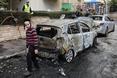

What if it’s your family? You are on vacation at a beach resort or trying to connect at a major international hub when suddenly violence erupts. You can’t leave and might be in danger.
Not only is this scary but this has been the reality for thousands of travelers this past month.
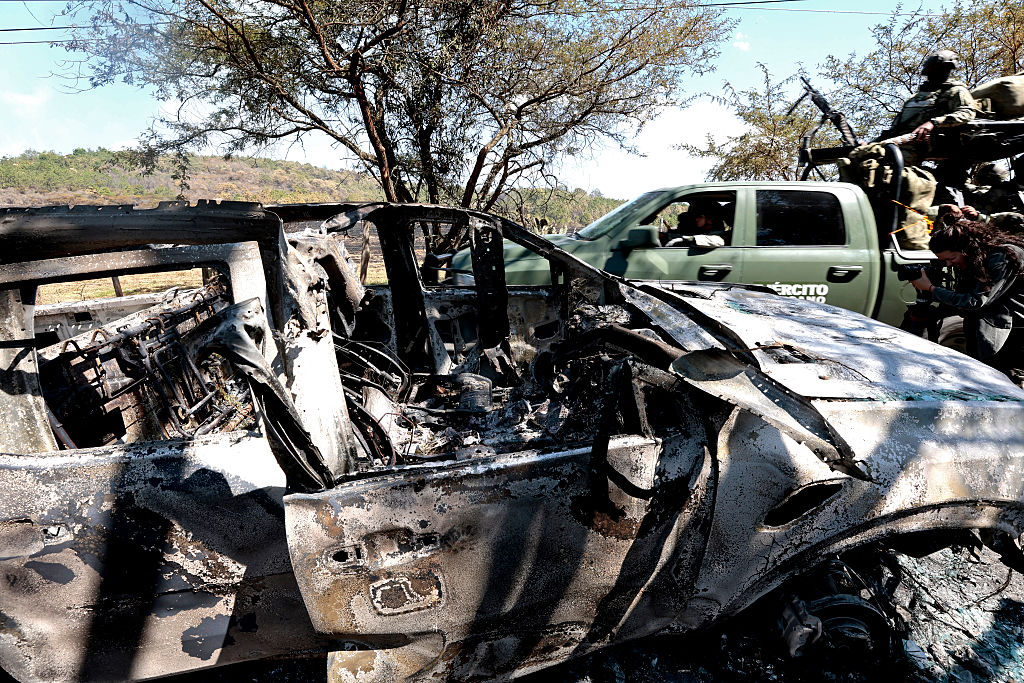
First, in Mexico, violence erupted in many places after the most wanted cartel chieftain known as “El Mencho” was killed by the Mexican Army Feb. 22. In Puerto Vallarta there was chaos with burning vehicles, roadblocks and orders to shelter in place. Flights were canceled and vacationers were stranded.
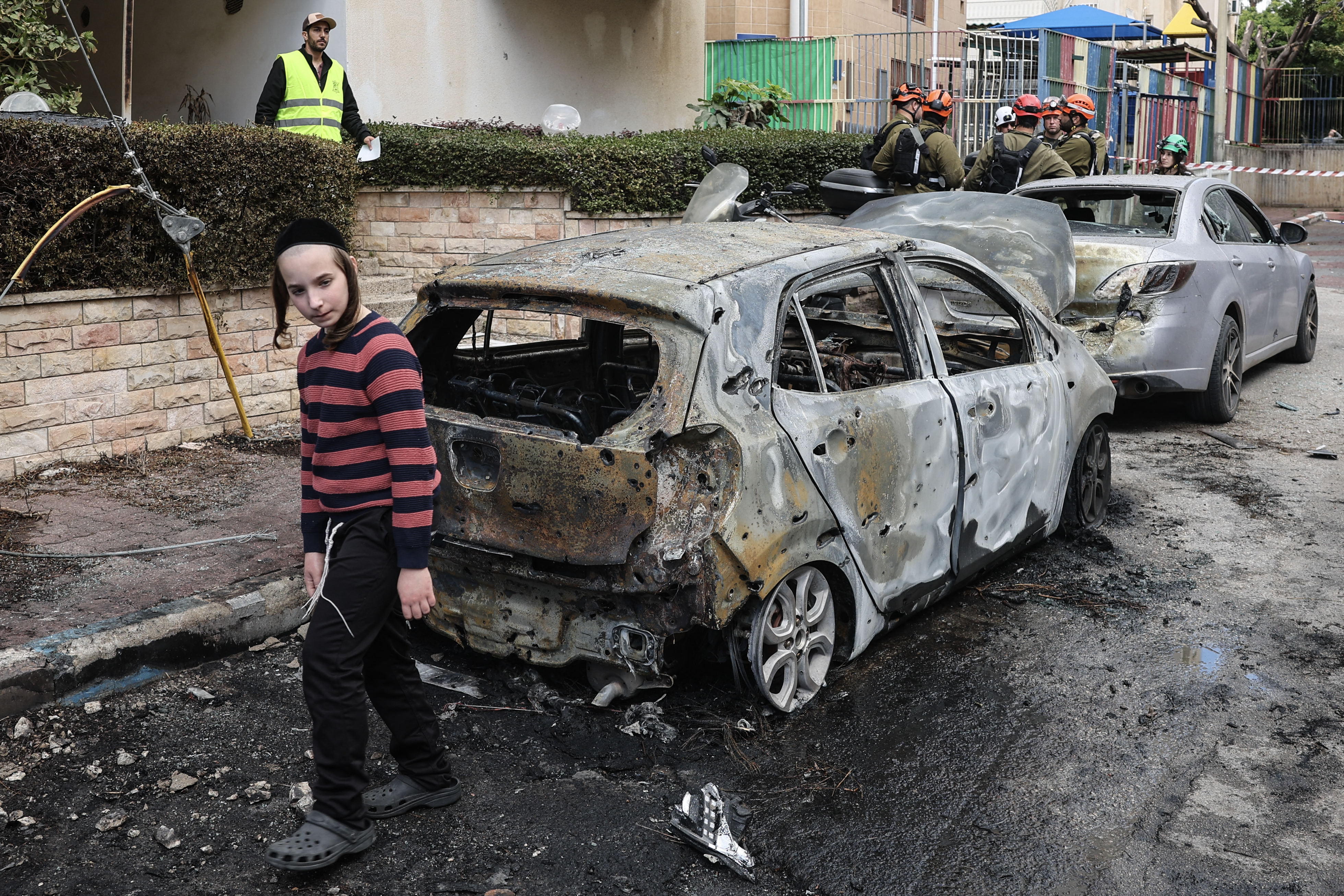
Though travel to the region seems to have returned to normal (check the US State Department Travel Advisory), the disruptions in the Middle East haven’t been resolved as the war, started after the US and Israel launched missile strikes on Iran, has only escalated as Iran has also attacked other countries, including the United Arab Emirates. Drones have attacked hotels. Air travel has been disrupted, including at two of the world’s busiest airports Dubai International Airport (DXB) and Doha's Hamad International Airport (DOH), as well as in Israel. US travelers have been warned to depart from more than a dozen Middle Eastern countries, including Egypt, Jordan, Saudi Arabia and Israel during a very popular tourist season.
Travelers – even those who had wanted to connect – were scrambling, paying thousands out of pocket for hotels and to get somewhere they could fly home from as various Western countries, including the US, began to organize repatriation flights. This has been the biggest disruption of global air travel since the COVID-19 epidemic and even if a ceasefire is declared, flights weren’t expected to return to normal quickly as planes would need to be repositioned, crews reassigned and schedules rebuilt. This is the same situation – only worse – as when a blizzard or hurricane disrupts travel, stranding passengers for days.
You might have a heads-up about weather derailing your trip but how can you possibly be prepared for getting stuck in a war zone?
Register for the Smart Traveler Enrollment Program. STEP is a free service for U.S. citizens and nationals that allows you to enroll your trip abroad so the U.S. Department of State can quickly and accurately contact you in case of an emergency at your travel location. Once you are enrolled, you will receive updates and alerts regarding next steps.
Register with the nearest U.S. Embassy and use the U.S. State Department website for travel advisories, which are updated frequently. Be forewarned that in an unexpected situation like the Middle East, embassies in the region have been closed and have told many staffers to leave. One traveler in Dubai from Texas reported a harrie d embassy employee who told her to “stop ranting and raving,” and hung up on her.
If you are stuck, will your hotel work with you? Qatar and the UAE said they would cover stranded travelers’ costs. The Israel Ministry of Tourism was also working with hotels to secure discounted rates and while the airspace was closed, shuttling travelers to Egypt and Jordan where they could get flights home.
If your flight is delayed or canceled, start with the airline’s mobile app and reach out via social media. Find out which partner airlines they work with and if your ticket is transferable. You should be able to get a refund for your flight but that can take a while. Do you have an emergency credit card? Is driving to another country a safe option?
Keep all your documentation for your flights and expenses. Stay packed and keep your travel documents handy in case you are able to leave quickly.
Make sure if you switch airlines or re-book your flight yourself (often airlines automatically re-book passengers when flights are canceled). To see your options, try FlightConnections for an overview of worldwide flight routes, Google Flights and Flighty which shows flight alternatives when your original flight is canceled.
Then there is travel insurance. For many reasons, you shouldn’t travel without it as it can cover expenses if you get sick or injured, miss your cruise ship because of delayed flights, your luggage gets lost and much more. However, if you are considering future travel to the Middle East, it’s important to understand that you may not be able to purchase travel insurance for most destinations in that region, according to Terra Baykal, senior marketing director for World Nomads, which offers travel insurance, safety advice and travel tips .
Most insurers do not provide coverage for countries involved in war or acts of war, Baykal said. World Nomads maintains. a list of destinations that are excluded from coverage, which travelers should review carefully before booking or purchasing a policy.
Even if you have purchased travel insurance, in most cases, standard travel insurance policies do not cover disruptions caused by military action, civil unrest or government-imposed travel restrictions,” noted Lauren McCormick, a spokesman for Squaremouth.com, a leading travel insurance comparison site.
However, the domino effect from military action, such as delayed flights or missed connections, may still be covered under standard Travel Delay benefits as would costs for meals and accommodations if your flights are canceled or delayed. All medical benefits (Emergency Medical and Medical Evacuation, etc.) will still apply if you become sick or injured while abroad, according to Squaremouth.com.
Yes, it’s very confusing. If you are traveling abroad, consider Cancel for Any Reason coverage. However, this can increase the cost of your policy by 50 percent, according to Suzanne Morrow, CEO of InsureMyTrip.com. And be forewarned that this may not refund all of your costs and must be purchased shortly after the initial trip deposit (often within 10 to 21 days). Interruption For Any Reason (IFAR) is also an option.
U.S. News & World Report has recently announced the 11 Best Travel Insurance Companies for 2026.
“We’re seeing roughly 50% of Americans investing in travel insurance as searches for coverage have steadily increased since the COVID-19 pandemic,” said Erin Evans, managing editor of Travel at U.S. News. “Travelers are more risk-aware than ever.”
More so now than ever.
========
(For more Taking the Kids, visit www.takingthekids.com and also follow TakingTheKids on Twitter, Facebook and Instagram where Eileen Ogintz welcomes your questions and comments. The fourth edition of The Kid’s Guide to New York City and the third edition of The Kid’s Guide to Washington D.C. are the latest in a series of 14 books for kid travelers published by Eileen.)
©2026 Eileen Ogintz. Distributed by Tribune Content Agency, LLC.
(c) 2026 DISTRIBUTED BY TRIBUNE MEDIA SERVICES, INC.









Comments