
Environmental Nutrition: What to know about lab-grown meat
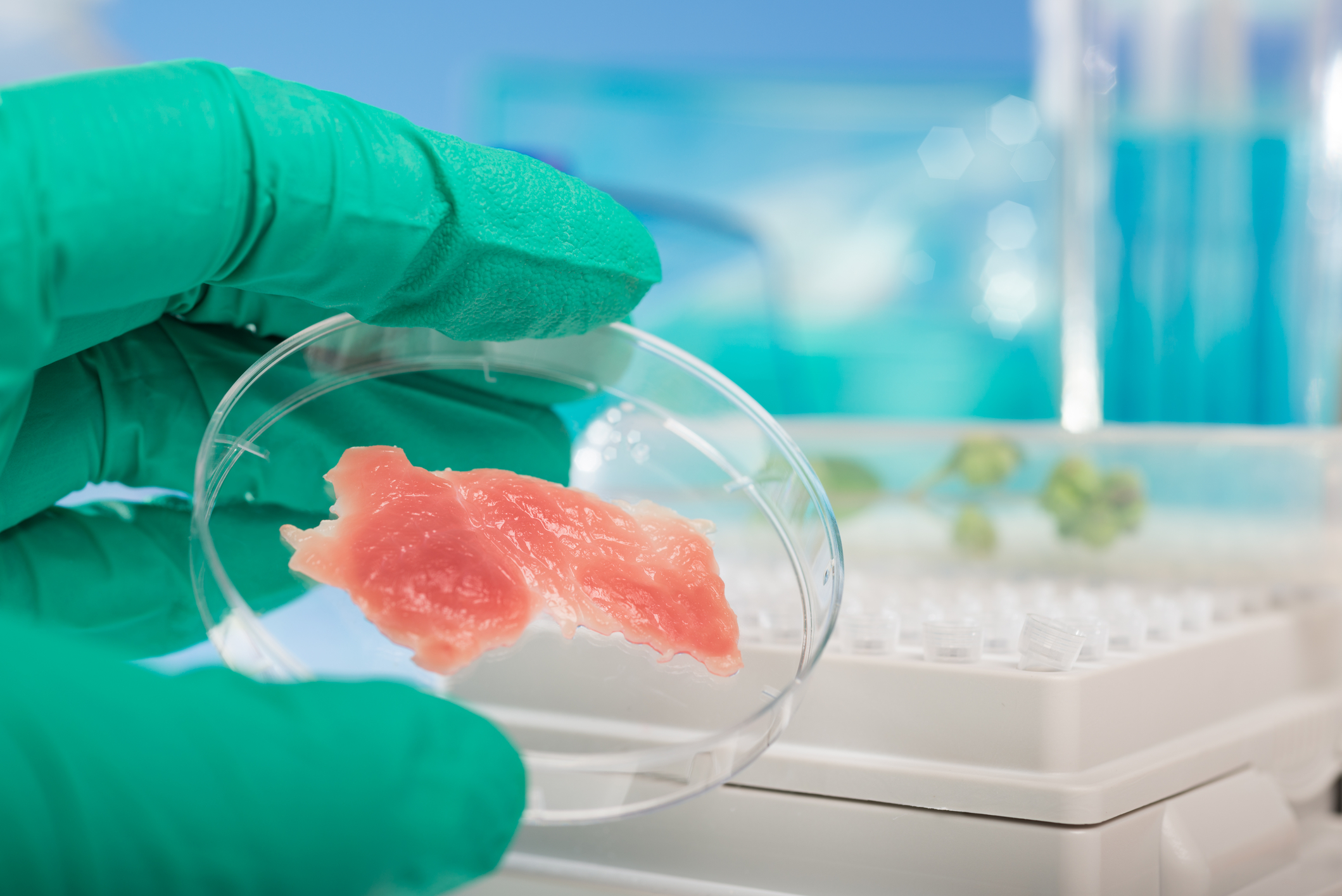
Q: What is lab-grown meat?
A: You’ve probably been hearing more and more about the possibility of seeing meat products on the supermarket shelves that have been grown in a lab (instead of coming directly from a farm). And now you’re wondering: Meat from a lab? Is this a real thing? The short answer is yes, this is a real thing. So, unlike plant-based meats, in which non-animal-based ingredients are combined to make meat substitutes, scientists are working to create real “genuine” meat in a lab.
This “cultivated” meat is not plant-based and is completely made of animal sourced materials; namely, scientists have cultivated animal cells directly and these cells are used to create a meat-like product. In this lab-grown replica, the cells are arranged in a similar manner to the original animal product and there are many similarities in the sensory and nutritional profiles between the two options.
As this process is improved, this new sourcing of “meat” eliminates the need to raise and farm animals specifically as a food source and has significant potential to reduce negative impacts on the climate (typically experienced through the conventional sourcing of farmed animal products).
(Environmental Nutrition is the award-winning independent newsletter written by nutrition experts dedicated to providing readers up-to-date, accurate information about health and nutrition in clear, concise English. For more information, visit www.environmentalnutrition.com.)
©2026 Belvoir Media Group, LLC. Distributed by Tribune Content Agency, LLC.








Comments