
Environmental Nutrition: Bring on the broccoli
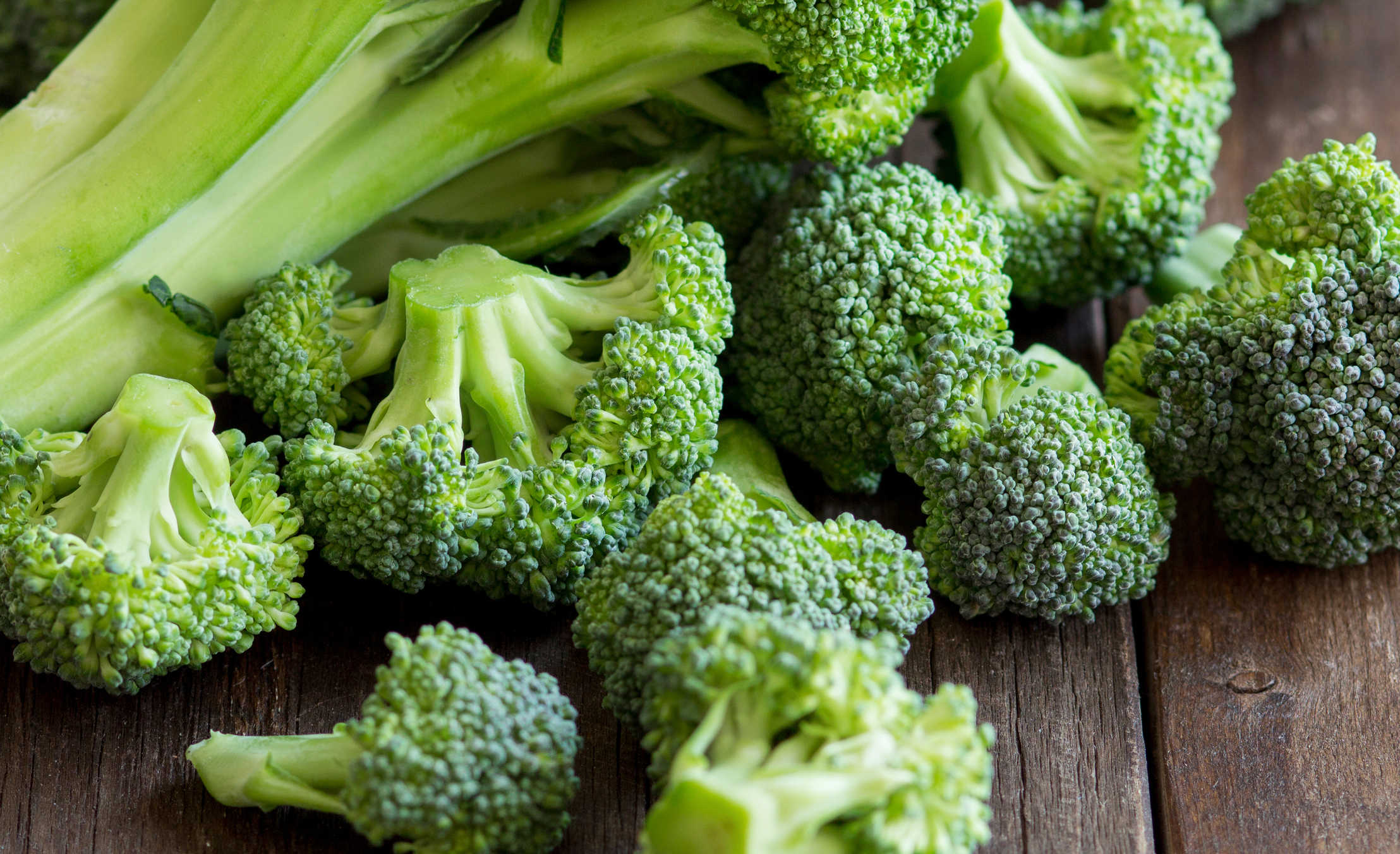
Deep, vibrant green broccoli, its large flowering heads arranged tree-like atop thick stalks, stand tall as one of the healthiest and widely consumed vegetables.
The folklore
This native to the Mediterranean was derived from cabbage by the Etruscans, an ancient Italian civilization. Its name comes from the Italian word “broccolo” or “the flowering crest of cabbage.” These days, broccoli brings it all to the global table with high nutritional value and versatility in cooking.
The facts
Broccoli (Brassica oleracea italica) is a cruciferous vegetable, part of the Brassica family of plants sometimes known as the “cabbage family” or “mustard family.” Calabrese, the most familiar broccoli variety, has a large green flowered head and thick stalks. The sprouting broccoli variety has several thin stalks and smaller flowering heads. Bursting with nutrition, a half-cup of cooked broccoli packs 84% DV (DV=Daily Value, based on 2,000 calories/day) of antioxidant vitamin C and 138% DV of heart healthy vitamin K, in addition to many nutrients with anti-inflammatory and anti-cancer properties.
The findings
“Global consumption of broccoli has increased due to its high nutritional value,” according to a review of studies published in the journal Molecule in 2025, which specifically called out glucosinolates, phenolic compounds, vitamins and essential minerals. The researchers referred to studies which have shown broccoli to demonstrate several biological activities, including anti- oxidant, anticancer, anti-microbial, anti-inflammatory, anti-obesity, and antidiabetic effects. The compounds glucosinolates, sulforaphane, and indole-3 carbinol contained in broccoli have been shown to have important health-promoting effects in research exploring the potential of broccoli to promote health (Antibiotics, July 2023).
The finer points
Peak season for broccoli is October through April, but it’s available year-round. Look for deep green, compact crowns with upright leaves and sturdy stalks. Yellowing is a sign it’s not fresh. Keep refrigerated in a plastic bag for up to a week. Wash before using and cut about an inch off the bottom. Chop florets and stems to desired size — stems grate and julienne nicely — and enjoy them raw in salads and slaws, as crudités, or puréed into a green smoothie or sauce. In just minutes broccoli steams up nicely as a side dish tossed with chopped walnuts or almonds, or stir fried with colorful veggies, olive oil, and a splash of lemon juice or favorite vinegar.
(Environmental Nutrition is the award-winning independent newsletter written by nutrition experts dedicated to providing readers up-to-date, accurate information about health and nutrition in clear, concise English. For more information, visit www.environmentalnutrition.com.)
©2026 Belvoir Media Group, LLC. Distributed by Tribune Content Agency, LLC.








Comments