Recipes
/Home & Leisure
6 delicious and gut-friendly recipes for GLP-1 users
People who take GLP-1 drugs like Ozempic to lose weight or manage Type 2 diabetes often reap real benefits in the form of improved health measures and slimmer bodies. But because the meds can greatly reduce appetite and slow digestion, eating enough food that’s both nutritious and hydrating can become an issue.
Glucagon-like peptide-1 is a ...Read more

Mountain Winery unveils blockbuster 2026 concert lineup
SAN JOSE, Calif. — The Mountain Winery has a blockbuster lineup of concerts in store for Bay Area music fans in 2026.
Diana Ross, Lauren Daigle, Foreigner, Nelly, Robby Krieger of the Doors, Sam Barber and Trevor Noah are among the dozens of big-name acts set to perform at the picturesque Saratoga venue this year.
The Mountain Winery season ...Read more

3 protein-rich tofu recipes are highly nutritious -- and easy to prepare
Are you looking to eat more protein? You're in good company.
According to a 2025 International Food Information Council study, 70% of Americans say they want to consume more of the macronutrient that builds and repairs tissue, skin and hair. Which explains why so many labels on grocery store shelves these days — everything from breakfast ...Read more

Amy Winehouse ex acknowledges he had 'part to play' in her death
Amy Winehouse’s ex-husband Blake Fielder-Civil said he’s come to terms with having “had a part to play” in the late crooner’s death in July 2011.
The Grammy winner was just 27 when she died of accidental alcohol poisoning.
Fielder-Civil, 43, in his first long-form interview on the “We Need to Talk” podcast this week that he was ...Read more
For St. Patrick's Day, soak up this classic Irish soup with 2 traditional breads
You don’t have to have Irish blood to have fun on St. Patrick’s Day, just a love and appreciation for Gaelic tradition that includes some awesome music, toe-stepping dance and a lively pub culture.
The March 17 holiday falls on a Tuesday this year, but you’ll find a plethora of bar crawls and whiskey tastings throughout this weekend.
...Read more

California's heralded wine industry is running dry -- here's why
Winery owner Stuart Spencer estimates that he left about 50 tons of grapes to rot on vines in Lodi, California, last fall, as harvesting and processing them would have cost more than they were worth.
“We’re doing our best to keep our head above water,” said Spencer, the owner of St. Amant Winery and executive director of the Lodi ...Read more

A Philly 'wine fight' is playing out in court as 2 schools battle over cyberbullying and a trademark
PHILADELPHIA — Philadelphia’s oldest wine school says a competitor is attempting to erase its existence from the internet through a “cyberbullying” campaign and trademark infringement, according to a federal lawsuit.
In the suit, PhillyWine LLC alleges that Keith Wallace and Alana Zerbe, the husband-and-wife duo behind the Wine School ...Read more

Cooking without meat can be fun and flavorful. Here are 5 recipes to try
People choose to eat less meat for a variety of reasons, from religious and cultural to health benefits. But don’t forget: Meat-free dishes taste good, too.
With a run of springlike weather and the beginning of Lent, now is a great time to try a new batch of recipes that are lighter in preparation but not in flavor. (We’re following the ...Read more

Warm up your weekends with these winter brunch recipes
By the time winter reaches its midpoint, it is easy to feel like the only sensible plan is to hunker down and wait for brighter days. Hosting a winter brunch, though — something colorful, comforting and celebratory— can be the perfect way to bring a little sunshine to a cold, gray season.
A fennel salad makes a bright, refreshing start, ...Read more

Largest supplier of wine in US faces layoffs and closure of key Napa facility
California wine giant Gallo is laying off more than 90 employees and closing a major Napa Valley wine-making facility.
The Modesto company said Thursday the cuts are necessary to adapt to market dynamics and changing customer demands.
In total, 93 employees across five sites will lose their jobs, according to a Worker Adjustment and Retraining...Read more
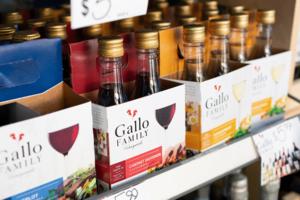
Gallo will shut North Bay winery and chop scores of Bay Area jobs
ST. HELENA, California — E&J Gallo Winery, the world’s largest wine producer by volume, decided to slash nearly 100 Bay Area jobs and shutter one of its production hubs, the company reported to state labor officials.
Including the closure of The Ranch Winery in Napa County, Modesto-based Gallo will eliminate 73 jobs at three sites in St. ...Read more

You really should eat more beans. Here are 3 recipes to get you started
Let’s be clear: canned beans are simply not as tasty as the dried beans you cook yourself.
Yes, canned beans are convenient, speedy and nutritious. But cooking dried beans is much easier than you think. First of all, you do not need to soak dried beans overnight. Second, beans cooked from scratch create their own broth to use in soups, stews ...Read more

Even in winter, the sun still shines in these 5 citrus recipes
PITTSBURGH — Winter, if you're someone who loves the sun, can be something of a bummer in Pittsburgh. While snow days can be magical and warming your hands around a firepit after an afternoon of ice skating or sledding is fun, the long stretches of cold, gray weather can take a definite toll on our psyches.
But there is a bright spot.
Winter...Read more
Related Channels

America's Test Kitchen
By America's Test Kitchen

ArcaMax Chef
By ArcaMax Chef

Recipes by Zola
By Zola Gorgon
Comics