No House Shoes: Why Going Barefoot Indoors Is Good for You
Published in Home and Consumer News
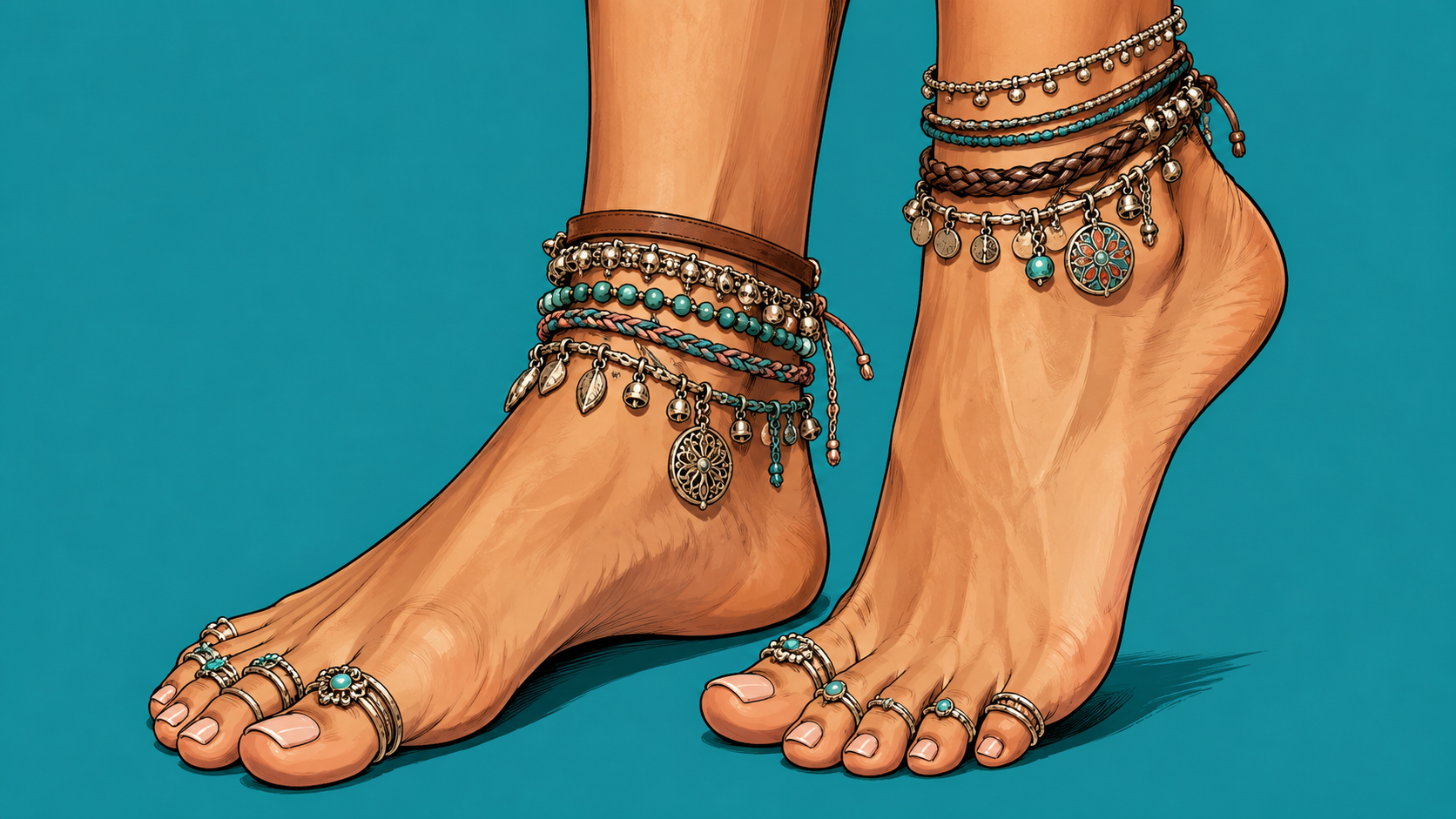
For generations, people have treated house shoes as a basic necessity. Slippers wait beside the bed. Foam clogs sit near the kitchen. Indoor sneakers promise cushioning, support and protection from the supposed dangers of an ordinary floor.
For most healthy adults, however, shoes are not needed inside the home. In fact, going barefoot indoors can be one of the simplest and most enjoyable ways to let the feet move as they were designed to move.
Bare feet can spread, bend, grip and respond to the floor. They receive more sensory information, engage more of the small muscles in the feet and help the body move with greater awareness. Going barefoot also eliminates the heat, pressure and confinement that come from spending nearly every waking hour in footwear.
For people with healthy feet and a safe home, the best house shoe may be no shoe at all.
Your feet were made to be free
The human foot is an intricate structure of bones, joints, muscles, tendons and ligaments. It is designed to bend and adjust with every step.
Shoes are useful outdoors, where they protect against rough pavement, sharp debris, heat and cold. Indoors, however, that level of protection is usually unnecessary. A clean kitchen floor or carpeted hallway does not require a thick sole, a rigid heel or layers of padding.
Going barefoot gives the toes room to spread naturally. The arch can flex. The ankle can make small adjustments. The many muscles of the foot are allowed to participate in walking rather than remaining largely passive inside a shoe.
Like any other part of the body, the feet benefit from regular use. A hand kept inside a stiff mitten all day would lose freedom and sensitivity. Feet deserve the same opportunity to move.
Barefoot walking strengthens the feet
Shoes often do part of the work that the feet would otherwise perform. Cushioning absorbs impact. Stiff soles limit bending. Structured uppers hold the foot in place.
When those features are removed, the muscles of the feet and lower legs become more involved. Even ordinary activities such as walking to the kitchen, standing at a counter or climbing stairs can provide gentle, repeated exercise.
This does not require a special workout. Barefoot living builds movement into the day naturally.
The effect may be subtle at first. Over time, however, regularly using the feet can improve strength, mobility and confidence. The toes learn to stabilize. The arch responds to changing pressure. The ankles make constant small corrections.
The result is not dramatic athletic training. It is something more useful: feet that are allowed to function as feet.
You feel the ground beneath you
The soles of the feet contain a rich network of sensory receptors. They tell the brain where the body is, how weight is distributed and what kind of surface is underfoot.
Thick slippers and heavily cushioned shoes dull much of that information. Bare feet receive it directly.
A cool tile floor, a soft rug and a smooth wooden hallway each create a different sensation. Those changes help the body adjust posture, balance and stride. Barefoot walking encourages a person to move more thoughtfully instead of pounding across the floor in thick soles.
Many people also find the sensation calming. Feeling the floor can create a sense of physical presence and connection to the home. It turns an ordinary walk across a room into a small sensory experience.
In a world filled with screens, noise and distraction, going barefoot is a quiet way to reconnect with the body.
Your steps become lighter and more natural
People often walk differently when they are barefoot. Without a padded heel, they tend to take shorter, softer steps. They become more aware of where and how the foot lands.
That can make indoor movement quieter and more controlled. Instead of stomping from heel to heel, a barefoot person often moves with a smoother, more deliberate stride.
Barefoot walking also makes it easier for the toes to assist with balance. The foot can spread slightly as weight shifts. The ankle and arch respond immediately instead of working through a thick layer of foam.
There is no need to force a particular walking style. The benefit comes from allowing the body to find its own comfortable movement.
Your feet stay cooler and more comfortable
Shoes trap heat and moisture. Even soft slippers can leave feet warm, damp or compressed after hours of wear.
Bare feet breathe.
The skin remains exposed to the air, the toes are not pressed together and there are no seams, straps or stiff edges creating pressure. For many people, that simple freedom is the greatest benefit of all.
Going barefoot can be especially refreshing after a long day in work shoes, boots or sneakers. Taking off footwear signals that the day has changed. The body can relax. The feet can finally spread out.
People often spend money searching for softer, lighter and more flexible house shoes when the most comfortable option has been available all along.
Bare feet make a house feel like home
There is something naturally relaxed about walking barefoot through your own home.
Shoes belong to the outside world: offices, stores, parking lots and sidewalks. Removing them at the door creates a clear transition into a cleaner, quieter and more personal space.
Barefoot living can also help keep outdoor dirt from being tracked through the house. Instead of switching from outdoor shoes to indoor shoes, many people can simply remove footwear and enjoy the floor beneath them.
The habit is simple, inexpensive and requires no equipment. There are no special products to buy, no complicated routines to follow and no membership fees.
Just take off the shoes.
It is easy to begin
Anyone accustomed to wearing shoes from morning until bedtime can start gradually. Spend an hour barefoot in the evening. Walk around the bedroom or living room. Let the feet adjust naturally.
Some initial tiredness is possible because the smaller muscles of the feet may be doing more work than usual. That is a reason to build the habit gradually, not a reason to avoid it.
Comfort should guide the process. There is no need to force barefoot time on painfully cold floors or during chores involving sharp objects or heavy equipment.
People with diabetes, severe circulation problems, loss of sensation or specific medical instructions to wear protective footwear should follow the advice of their health care professionals. Those exceptions are important, but they do not change the broader truth for healthy adults: ordinary indoor life usually does not require shoes.
Give your feet a daily break
Modern feet spend an extraordinary amount of time enclosed. They are wrapped in socks, compressed into shoes and separated from the ground by layers of rubber and foam.
Home offers a chance to change that.
Going barefoot indoors allows the feet to move, strengthen, breathe and feel. It encourages lighter steps, greater awareness and a more relaxed connection with the surroundings. It costs nothing and fits easily into daily life.
House shoes may still be useful on a freezing morning or during a messy repair job. They do not need to be worn automatically.
Open the door, leave the shoes behind and let your feet come home.
========
Leona Hartwell writes about everyday wellness, natural movement and comfortable living.
Her work focuses on simple habits that help people feel more at ease in their bodies and homes.
This article was written, in part, utilizing AI tools.







Comments