Swiss allow easier arms exports in further neutrality shift
Published in News & Features
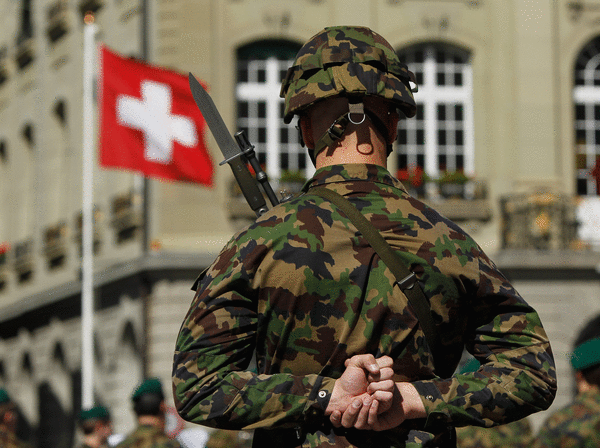
Swiss voters backed an easing of weapons-export restrictions, handing the country’s arms manufacturers a victory after they argued that broader access to foreign markets was essential to keep production in Switzerland.
The proposal won support of 54.3% of citizens, according to government results on Sunday. The outcome clears the way for a reform approved by parliament that opponents had challenged in the referendum.
With the result, Switzerland moves further toward a flexible application of its traditional neutrality. In September, voters rejected an attempt to enshrine a rigid interpretation of the stance in the constitution, preserving government leeway in how to apply the doctrine.
“A majority of voters doesn’t view neutrality as an absolute principle,” said Georg Lutz, professor of political science at Lausanne University. “Instead, they are willing to weigh it against national security, international cooperation and the business interests of the Swiss defense industry.”
Under the new rules, manufacturers will be able to sell arms to 36 predominantly Western countries even when they are involved in armed conflicts. The list includes the U.S., most European countries, Japan, Australia and Argentina.
Buyers are also no longer always required to pledge not to transfer Swiss military equipment to third countries. Still, the Swiss government has to clear every export and retains a veto power on neutrality grounds.
“We are extremely relieved,” Stefan Brupbacher, head of the manufacturing lobby Swissmem, told public broadcaster SRF. “For the defense industry, the vote was of vital importance. With this decision, the industry can remain in Switzerland.”
Until now, a country’s participation in a war would generally trigger a Swiss arms embargo. The U.S. attack on Iran, for example, prompted the country to stop issuing new export licenses for weapons shipments to America.
Switzerland’s small but politically relevant arms industry had argued the restrictions threatened its economic survival after allied countries weren’t able to use Swiss-made weapons to support Ukraine. That prompted some manufacturers to shift production abroad.
Sunday’s result spurred harsh criticism from politicians on the left, which had championed the referendum to overturn parliament’s decision.
“With a multimillion campaign, the arms lobby has secured a majority,” the Green party said in a statement. “This disappointing result increases the risk that Swiss weapons will end up in civil wars.”
In separate ballots, citizens on Sunday also backed a nationwide ban on loud fireworks. Meanwhile, a proposal to change the taxation of double-income couples and one to hike the value-added tax to fund higher pensions both failed.
The rejection of the final measure — which 55.2% of the electorate opposed — hands the government a funding shortfall of 4 billion francs ($4.8 billion). Following another plebiscite two years ago, pensioners will get an additional payout from December, and the VAT increase was meant to finance that increase.
Interior Minister Elisabeth Baume-Schneider, who is in charge of social security, said after the results that pension coffers are now soon set to show a deficit, amounting to a “serious” situation, adding that the government will analyze the situation and make reform proposals in the first quarter of next year.
We “will look at both sides, the pension system’s revenue as well as paid-out benefits,” Baume-Schneider told reporters in Bern. “Nothing is taboo.”
The result prompted politicians on the right to demand changes to the retirement age, but the Social Democrats said they would fight any such move. Voters have already indicated that they are against such a move: In 2024, they not only backed the pension increase but also rejected a proposal to make people work longer before qualifying for benefits.
Sunday’s vote won’t stop the additional payout for pensioners, but means Bern must find alternative funding. Aside from budget cuts in other areas and a higher government input, that could mean raising salary-based social security contributions.
_____
(With assistance from Isabel Demetz.)
_____
©2026 Bloomberg L.P. Visit bloomberg.com. Distributed by Tribune Content Agency, LLC.






Comments