How the US elections and Iran war are influencing the UN’s COP31 climate talks – and discussions around fossil fuels
Published in News & Features
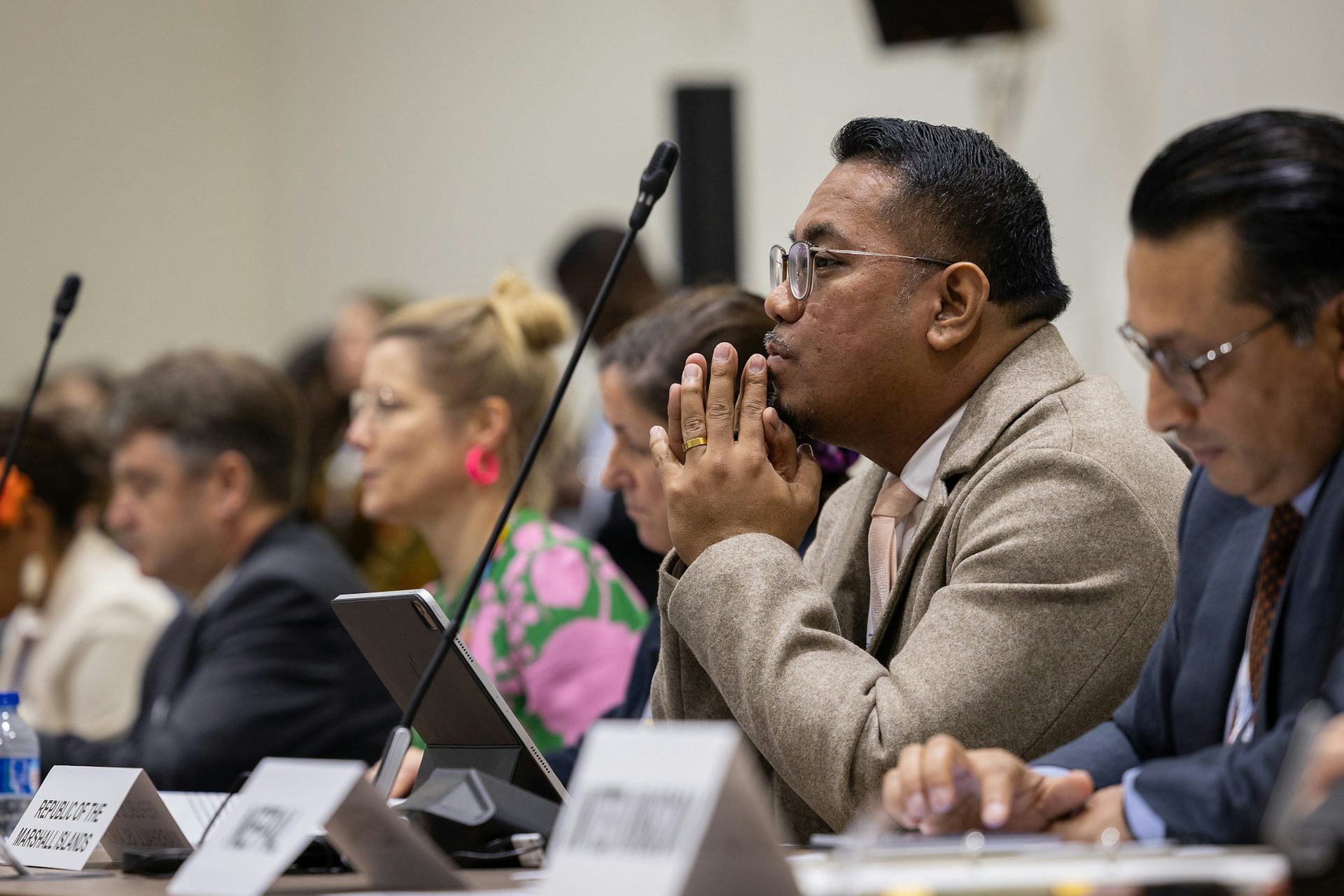
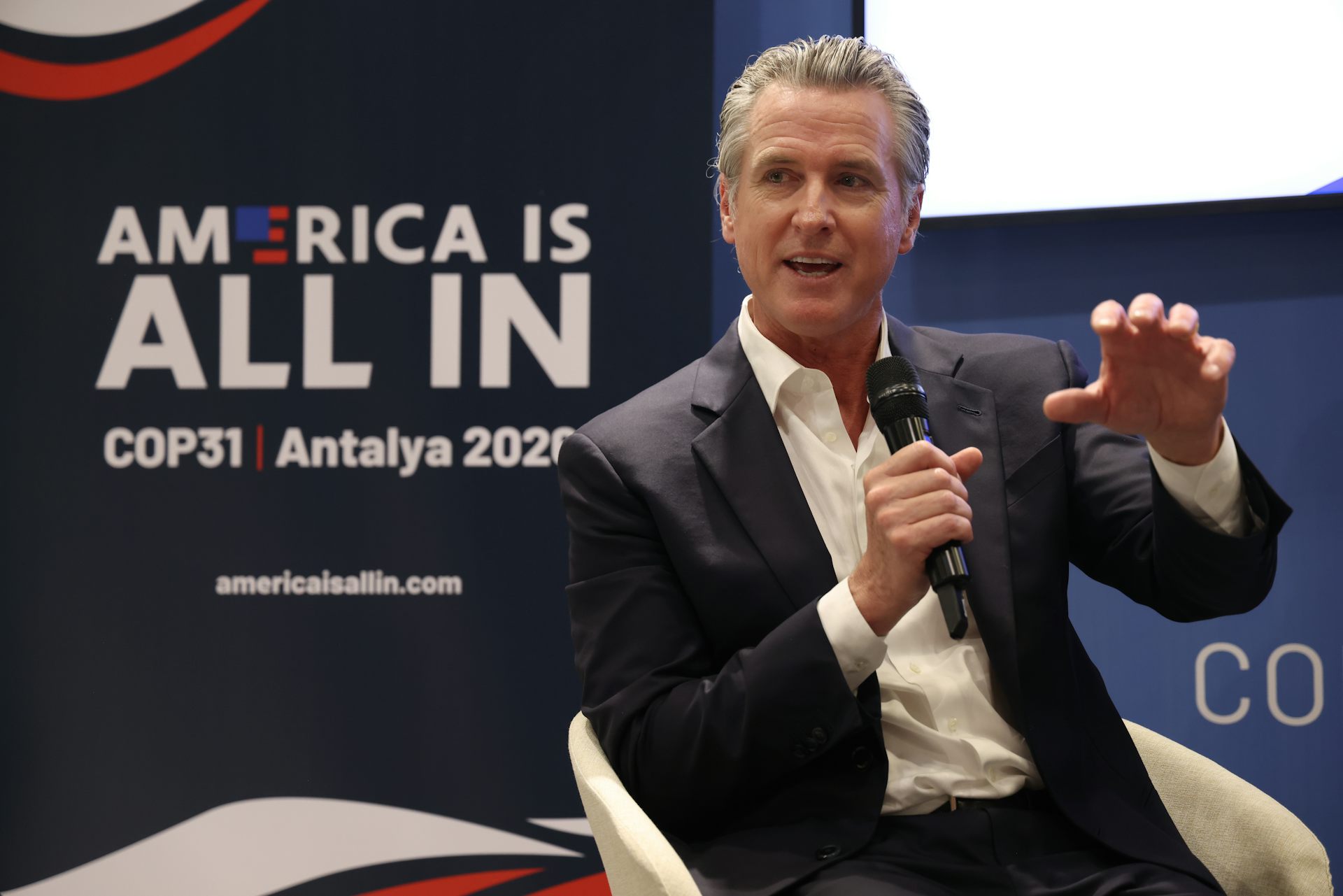




The 2026 United Nations climate talks are all about real-world impact. That’s evident as I listen to government officials and others from around the world at the COP31 climate summit in Antalya, Turkey.
World leaders are seeing their countries suffer from intensifying storms and heat fueled by climate change and from one of the worst global energy crises in history. A U.N. report found that global warming will overshoot 1.5 degrees Celsius (2.7 degrees Fahrenheit), the level countries agreed a decade ago to try to avoid because of the growing risk of dangerous climate change.
The Middle East conflict has intensified oil and gas price and supply volatility, pushing economies to the brink as energy and food prices spike and energy security falters.
Countries that rely on imported fossil fuels for their energy sources have borne the brunt of the energy crisis. Those doubling down on renewable energy are weathering the crisis better.
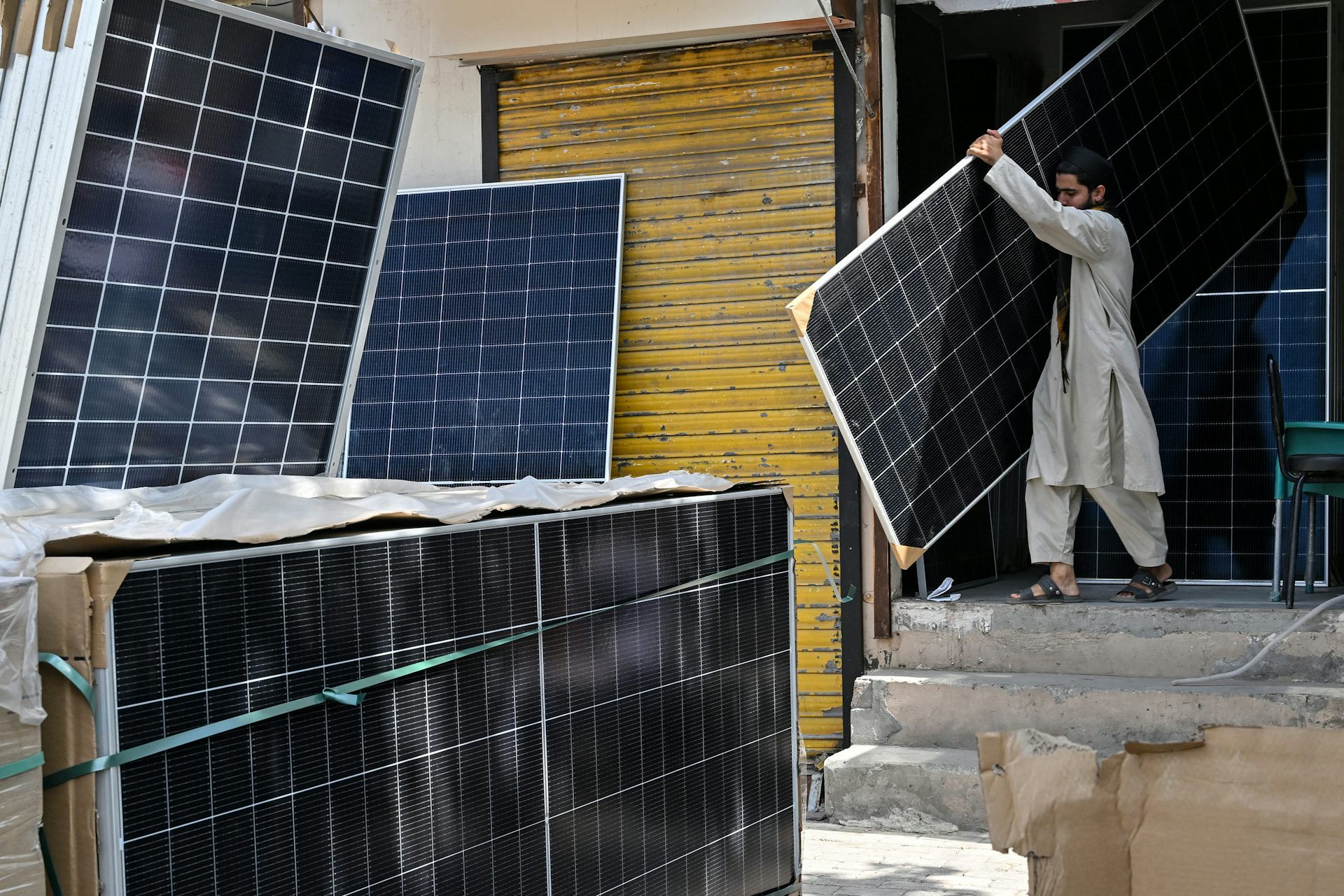
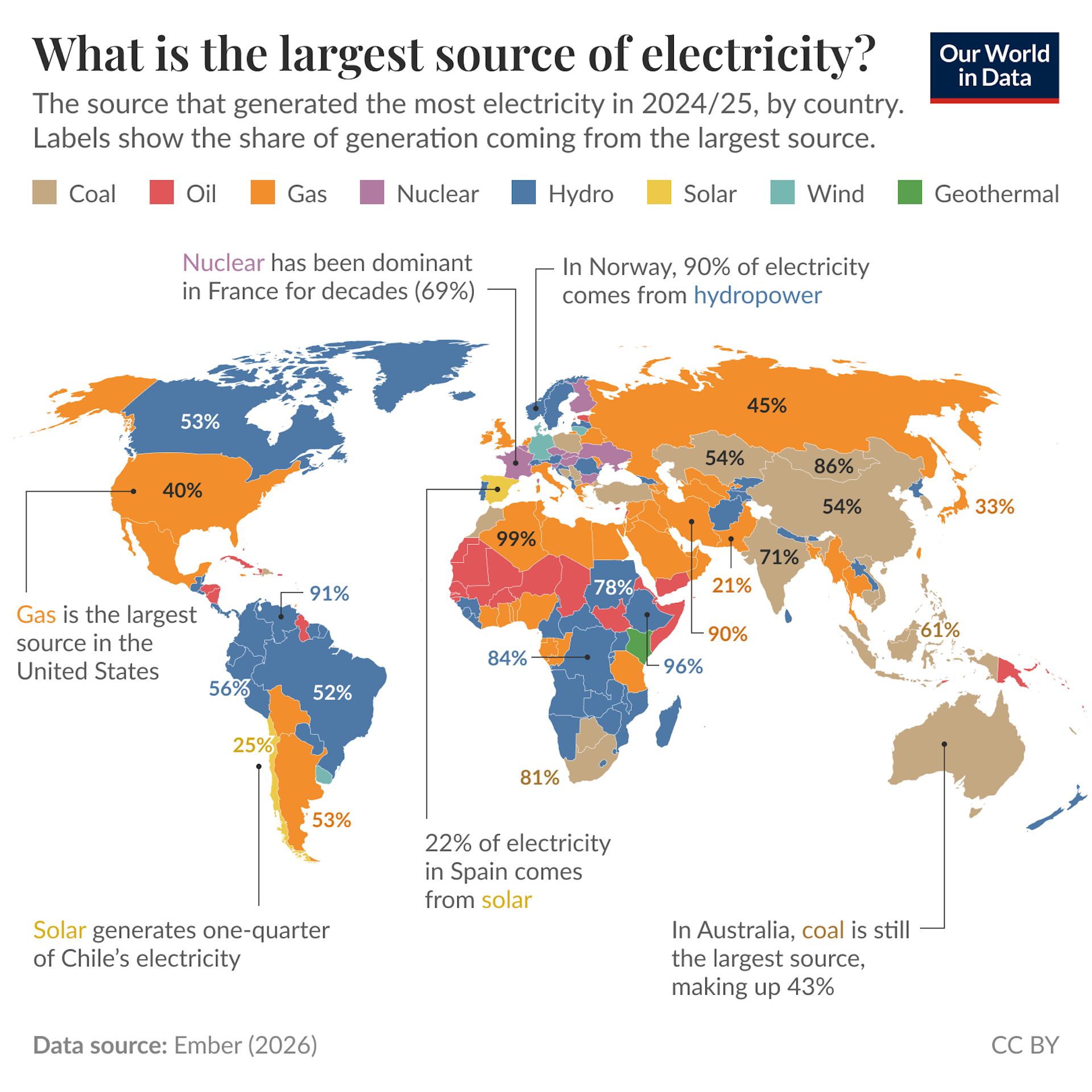
In Pakistan, for example, the rapid expansion of solar power over the past six years helped the country avoid more than US$12 billion in fossil fuel imports before the U.S. and Israel’s war with Iran began in February 2026. One forecast suggests solar could save the country more than $6 billion more by the end of the year. Spain, which relies less on natural gas and more on solar energy for electricity than most European countries, kept electricity prices lower and avoided the worst of the gas-driven spikes seen in more exposed systems such as Italy’s.
In formal negotiations and in meetings around the U.N.’s broader Global Climate Action Agenda, countries are working on ways to accelerate the use of clean energy and to provide poorer countries with the resources to adapt to climate change and expand clean energy.
I have been following international climate negotiations for years as a former special climate envoy for Germany and senior fellow at the Fletcher School at Tufts University. In 2026, after two years of the Trump administration’s pressure to get countries to abandon efforts to slow climate change, I’m seeing rising concern among leaders about the costs of fossil fuels on economies and people’s lives.
A step in transitioning away from fossil fuels is shifting to electrification powered by clean energy. The co-presidents of COP31, from Turkey and Australia, have proposed a global target of 35% of all energy use coming from electricity by 2035 – including for transportation and industry – and they are working to persuade other countries to sign on.
Hitting that 35% mark could save fossil-fuel-importing countries $400 billion a year, according to the International Energy Agency. In consumer terms, $100 spent on electricity powers a car up to three times farther than $100 of gasoline, based on global averages. Reaching the goal could slash energy emissions across transportation, buildings and industry by up to 55% by 2035.
However, the source of electrification matters. Forecasts from the International Renewable Energy Agency show that at least 78% of the electricity powering the world must come from renewable energy sources to keep global warming under the 1.5 C limit. Electrification delivers for both the climate and energy security if it runs on clean power instead of energy from oil, gas and coal.
Getting the world to that point will require addressing some key barriers: the cost of infrastructure needed to deliver clean energy and the need for policies to encourage the changes.
Beyond the formal negotiations, countries are discussing multiple initiatives to provide technical support to one another, as countries develop power grids that can manage the variability of solar and wind power, and financial help to countries that need it.
The high financial and environmental costs of fossil fuels have been reshaping global politics. Voters came out in big numbers over the past few months to elect leaders who support clean, affordable energy solutions.
The world saw this notably with the reelection of Brazilian President Luiz Inácio Lula da Silva and the biggest Democratic congressional victory in the United States in over three decades.
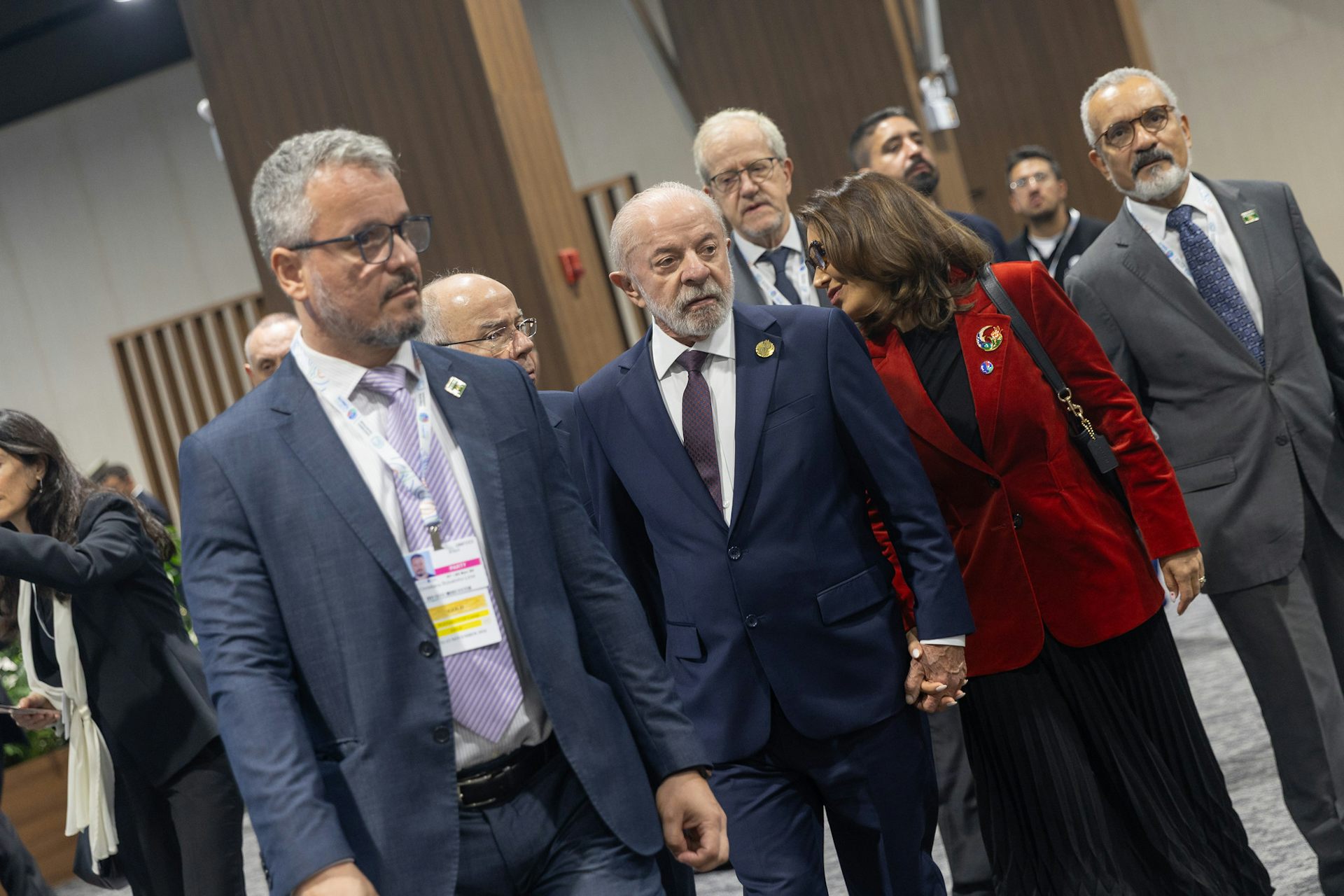
Lula, in his first international trip after winning his fourth term, called on the COP31 presidents to carry forward Brazil’s work as host of COP30 on a transition away from fossil fuels. He announced that Brazil will host a future conference on the fossil fuel transition, following the first in Colombia in April 2026 and a second planned in 2027 in the island nation of Tuvalu.
Brazil has clearly emerged as a climate superpower in Antalya. With its greatest one-year reduction in deforestation and its leadership in producing three plans, known as road maps, to help the world transition away from fossil fuels, end deforestation and provide the $1.3 trillion in financing needed for developing countries, Brazil has demonstrated it understands the urgency of the climate crisis.
We will see whether the co-presidents of COP31 will answer the calls from Lula and U.N. Secretary-General António Guterres to support these road maps becoming formal guidance for all countries.
California Gov. Gavin Newsom and a delegation of 18 members of the U.S. House of Representatives also came to COP31 to signal the presence of American leadership on future climate policy. President Donald Trump has pulled the U.S. out of the U.N. Framework Convention on Climate Change, the Paris Agreement and dozens of other international organizations and treaties. The U.S. did not send a formal delegation to the climate talks.
As former U.S. climate envoy John Kerry said in Antalya, “Americans did vote for clean, affordable energy, and they also voted for clean governance.”
The international community will be watching to see whether the newly elected Democratic majority in Congress can help safeguard U.S. climate science after the Trump administration’s extensive funding cuts, and whether it will restore critical funding to international efforts dealing with climate change.
At COP31, the shift in the real-world politics of energy has dominated several events and the formal negotiations. But the countries that are likely to lose from such a transition are also working diligently to slow this transition. On the opening day, a coalition of oil-producing countries led by Saudi Arabia announced it opposed any mention of Brazil’s road map away from fossil fuels in the official COP31 agreement.
For COP31 to be a success, the diplomatic process must demonstrate that it can catch up to the real economy and meet this moment of energy and climate crisis. I believe the summit’s final agreement should accelerate the electrification of infrastructure around the world and, at the same time, drive the transition away from fossil fuels in order to protect global security, economic stability and everyday citizens.
This article is republished from The Conversation, a nonprofit, independent news organization bringing you facts and trustworthy analysis to help you make sense of our complex world. It was written by: Jennifer Morgan, Tufts University
Read more:
Oceans and forests have absorbed roughly half our carbon emissions for decades, slowing climate change – but can they keep it up?
COP31: Governments are failing to rein in emissions from their own power plants
Extreme weather risk is scaring big corporations away from poorer countries – that hurts the companies, too
Jennifer Morgan does not work for, consult, own shares in or receive funding from any company or organization that would benefit from this article, and has disclosed no relevant affiliations beyond their academic appointment.







Comments