MAHA suffered heavy losses in the 2026 midterms, but the movement is far from dead
Published in News & Features
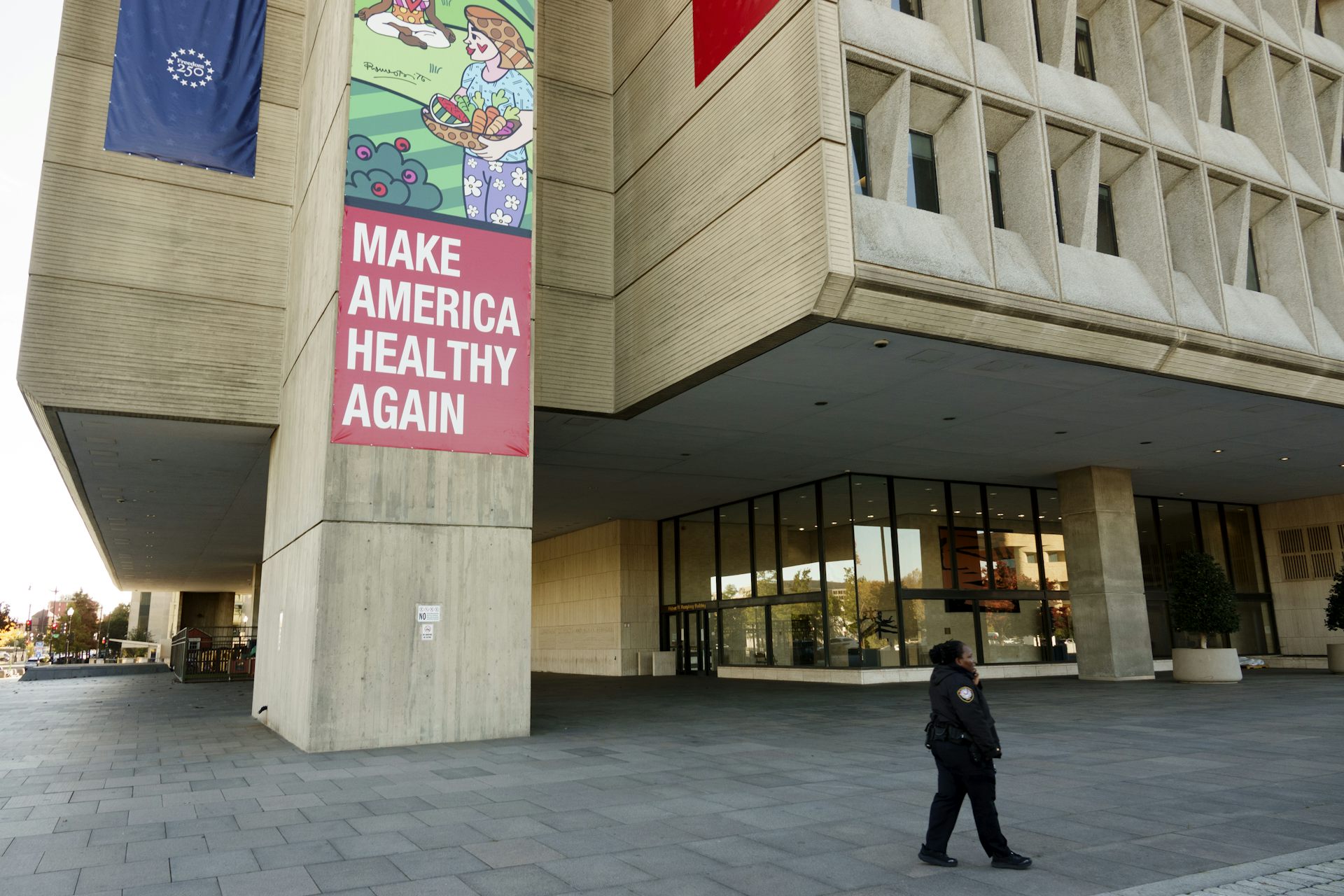
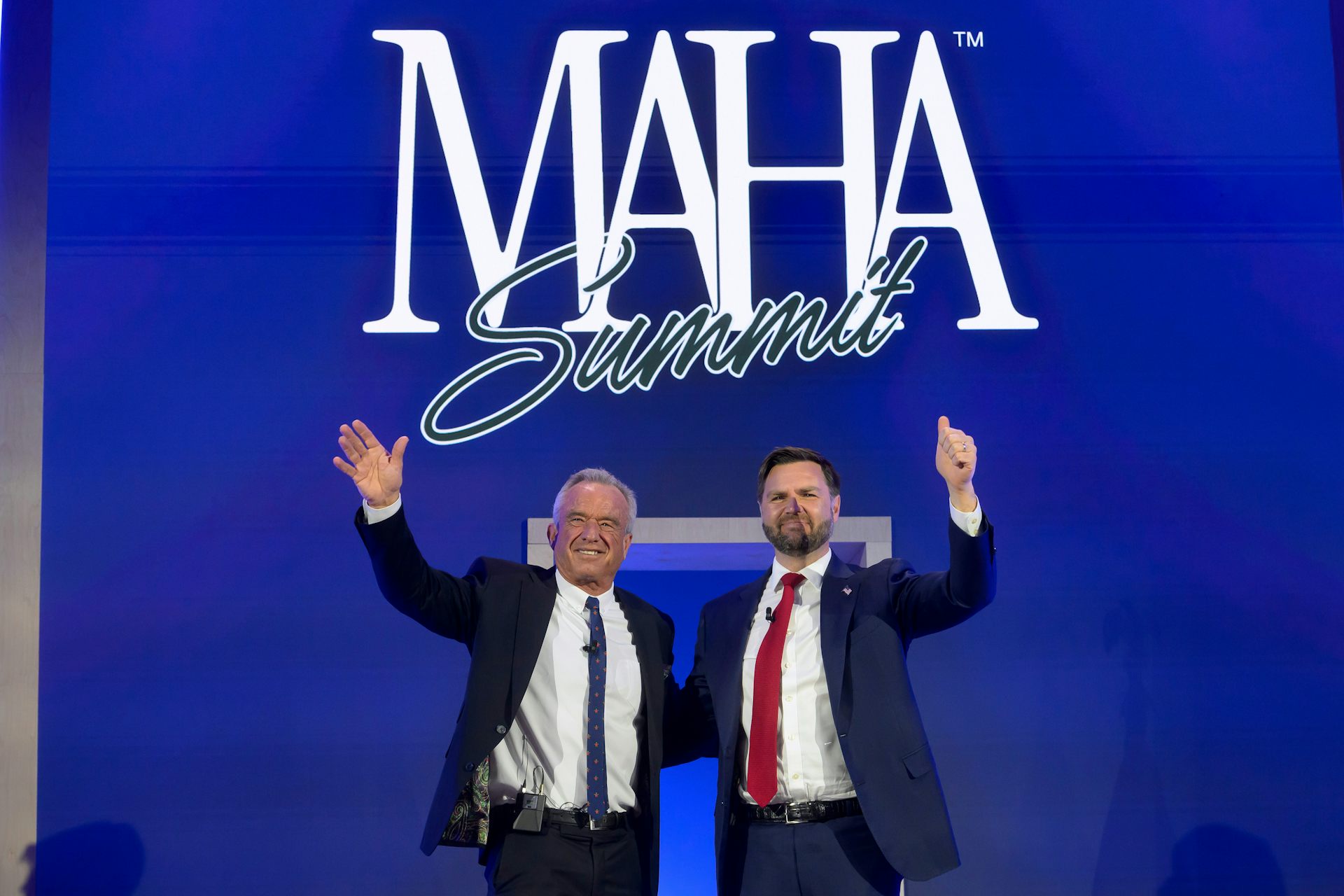

Candidates tied to the Make America Healthy Again, or MAHA, movement suffered a series of electoral defeats in the 2026 midterm elections, raising questions about MAHA’s political future.
Despite its name, MAHA has become a controversial force in American health politics. While the movement calls for healthier food, increased physical activity and greater corporate transparency, prominent figures within it have also challenged established scientific evidence, especially on vaccines.
Some commentators and critics have described the defeat of MAHA-aligned candidates like Iowa gubernatorial candidate Zach Lahn as a “brutal election night wipeout.” Others have asked whether MAHA is “dying.”
Yet many Americans still support MAHA and the policies it champions. Its supporters also continue to hold powerful positions in the Trump administration – like Health and Human Services Secretary Robert F. Kennedy Jr., National Institutes of Health Director Jay Bhattacharya, and Kyle Diamantas, acting commissioner of the U.S. Food and Drug Administration – even as a new Congress prepares to take office in January 2027.
We are political scientists who study public opinion on healthcare policy. We see MAHA’s electoral losses as a political setback, not a death sentence. The movement’s influence extends beyond its candidates and the elections they contest.
MAHA’s electoral losses came amid a potentially generational swing toward Democrats across the country,
More than half the 24 gubernatorial and Congressional candidates endorsed by MAHA’s political action committee, MAHA Action, lost their election bids. These included Lahn, Texas Senate candidate Ken Paxton and House candidate Vic Mellor in Rhode Island. Others, like incumbent Representative Anna Paulina Luna, R-FL, won by less than 1% in a district that she won by nearly 10 percentage points in 2024.
Lahn’s defeat stands out as a major loss. Lahn, a farmer who railed against pesticides on the campaign trail and promised to ban COVID-19 vaccinations in Iowa, was endorsed by Kennedy. Lahn has been described by some as a model MAHA candidate and received over US$1 million in campaign contributions from MAHA Action.
But the movement’s poor showing at the ballot box does not mean that some of MAHA’s ideas are unpopular among Americans. A May 2026 poll conducted by the health policy organization KFF found that 41% of American adults supported MAHA, including many Democrats and independents.
Many Americans also share MAHA’s concerns about food safety. According to KFF, 75% of Americans believe the government does too little to regulate chemical additives in food, while 64% say the same about agricultural pesticides.
Yet the popularity of MAHA policies did little to help MAHA-backed candidates win in the first election cycle where MAHA-aligned candidates were on the ballot. Following the midterm elections, some MAHA activists moved to blame President Donald Trump for failing to fulfill promises on these issues.
One prime example: In a a postelection episode of Joe Rogan’s podcast, Calley Means, a former senior adviser to Kennedy, accused senior White House officials of allowing corporate interests to undermine MAHA’s goals. Dissatisfaction also spilled over to MAHA supporters in the general public, with one postelection poll finding that just over half of MAHA supporters feel the Trump administration made Americans’ health and well-being better throughout his second term in office.
Dissatisfaction with Trump, however, tells only part of the story. Another KFF poll conducted just before the election found that 42% of MAHA-supporting voters considered lowering healthcare costs their top health priority. By comparison, 21% prioritized restricting food additives, and 10% chose vaccine safety. Among voters more broadly, 55% believed Trump’s policies increased their healthcare costs, and 83% of those voters reported voting for Democrats. Most MAHA supporters, however, continued to vote for Republicans.
Supporting a movement, embracing its policy priorities and casting a ballot for its candidates do not necessarily go hand in hand. Americans can support MAHA’s goals without identifying with the movement or voting for its candidates. Likewise, MAHA supporters may vote Republican even when they are dissatisfied with Trump’s health policies. MAHA’s electoral losses, therefore, tell us little about how much support its ideas enjoy.
Despite its electoral losses, MAHA still holds considerable influence in Washington. Kennedy still leads HHS, where he can continue reshaping how the Centers for Disease Control and Prevention steers vaccine recommendations in a direction that aligns with his vaccine-skeptical views. These efforts face growing scrutiny amid public confusion over Kennedy’s vaccine guidance and reports that he sought to remove measles-related deaths from CDC statistics.
Kennedy appears undeterred by MAHA’s electoral setbacks. Following the election, he praised incoming White House Chief of Staff Stephen Miller, declaring, “Next to me, Stephen Miller is the strongest MAHA supporter in the administration. It’s time to unleash the Kraken.”
MAHA’s continued influence in the Trump administration, however, will face new obstacles now that Democrats control Congress. Facing greater opposition, the administration may increasingly rely on executive actions, including executive orders, new federal regulations and agency reports, to advance its health policies. However, Congress can also investigate HHS decisions and use its control over federal spending to limit what the agency can do.
MAHA’s political future remains uncertain. Some supporters may gradually move toward Democrats, particularly those concerned about corporate influence, pharmaceutical industry accountability and food safety. These concerns cross partisan lines, giving Democrats an opportunity to appeal to voters dissatisfied with Trump but still supportive of MAHA’s priorities.
MAHA could also become a movement independent of Trump and MAGA. It could bring together Americans who care about health and wellness, distrust major institutions and oppose corporate influence over food and medicine. Kennedy’s independent presidential campaign attracted as much as 15% support among voters in July 2024. This showed that an alternative to the two major parties could attract substantial support.
Whether MAHA remains tied to Trump’s increasingly divided coalition will shape its future beyond his presidency. The frustrations and health concerns that fueled its rise among Americans have not disappeared.
This article is republished from The Conversation, a nonprofit, independent news organization bringing you facts and trustworthy analysis to help you make sense of our complex world. It was written by: Robert Brehm, University of Virginia and Matt Motta, Boston University
Read more:
Despite intense Islamophobia, Abdul El‑Sayed and dozens of other Muslims elected representatives are breaking down barriers
What is ‘food is medicine’? – 2 experts explain this decades‑old approach to healthcare that is taking on new life
RFK Jr.’s pivot to Trump is a journey taken by many populists swept along the left‑to‑right alternative media pipeline
The authors do not work for, consult, own shares in or receive funding from any company or organization that would benefit from this article, and have disclosed no relevant affiliations beyond their academic appointment.





Comments