Ads for GLP-1 drugs are flooding the internet – here’s how to know if it’s safe to buy them online
Published in News & Features
If you watched the Super Bowl in 2026, you likely saw Serena Williams share her weight loss journey on GLP-1 medications in a commercial.
Like millions of others around the country, if you’ve ever considered taking one of these drugs, you probably went online to learn more about where you can get them and how much they cost.
Online searches for GLP-1 medications like Ozempic and Wegovy have risen dramatically since 2022. Advertisements like Williams’ Super Bowl commercial both reflect and help drive that growing demand.
More and more advertisements for weight loss medications are appearing in people’s daily lives. These ads can be appealing, intrusive, confusing or even misleading, and have sparked widespread concerns about inappropriate use and adverse events. But the high cost of GLP-1 medications, combined with the lack of adequate coverage by insurance plans, has helped fuel a booming online market for cheaper alternatives.
As health services researchers studying prescription medication safety, we are highly concerned about the risks of online advertisements selling alternative versions of GLP-1 weight loss medications.
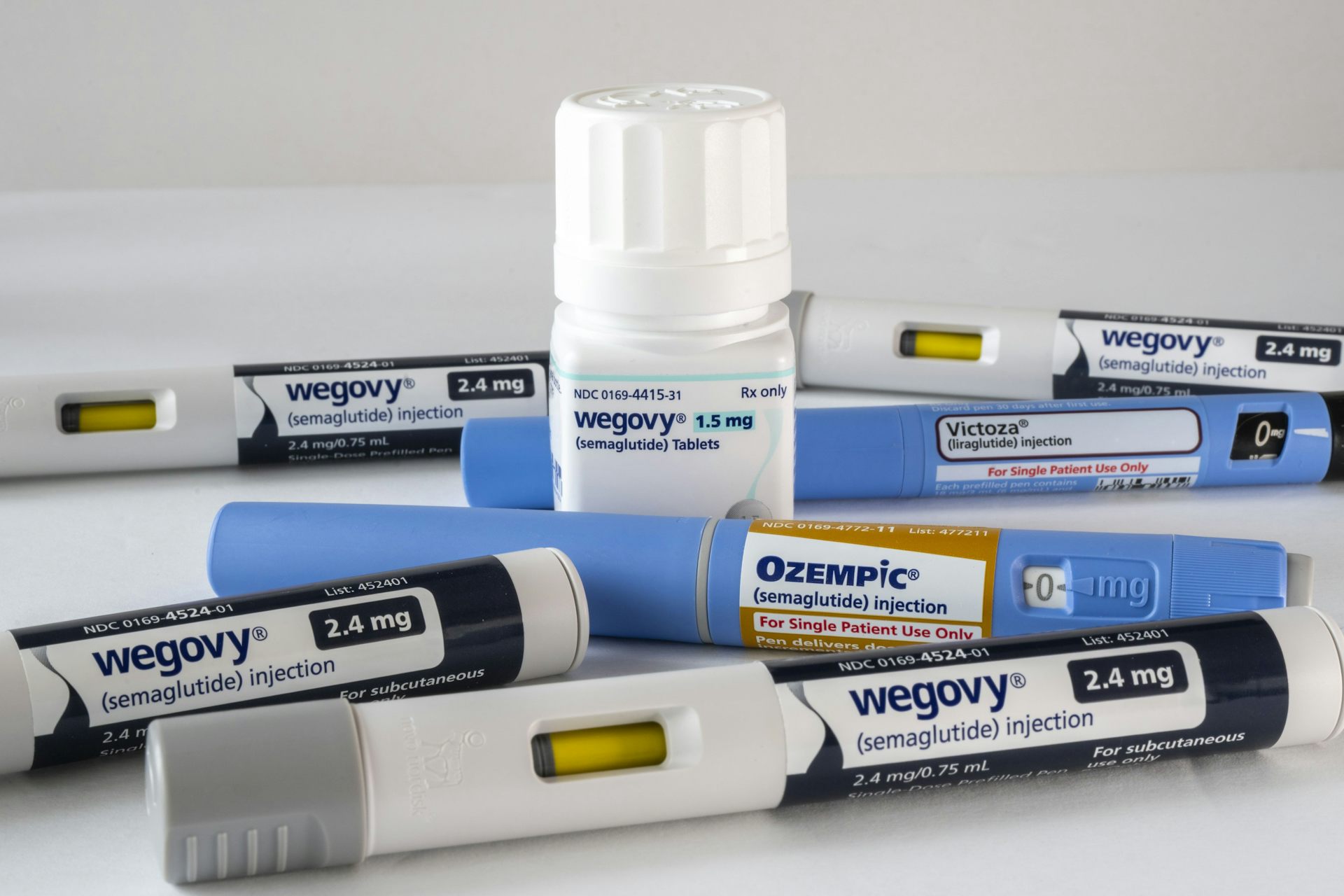
As of April 2026, the most popular GLP-1 medications approved by the Food and Drug Administration include semaglutide, sold under the brand names Wegovy, Ozempic and Rybelsus; tirzepatide, sold as Mounjaro or Zepbound; and orforglipron, sold as Foundayo.
These brand-name medications have undergone rigorous clinical trials and extensive FDA evaluation, including review of clinical data, manufacturing processes and facility inspections, to ensure safety, quality and effectiveness.
Many of the GLP-1 drugs advertised on the internet are not the FDA-approved medications but rather “compounded” GLP-1 products made in compounding pharmacies. They contain the same active ingredient – semaglutide, tirzepatide or orforglipron – but add minor but clinically important modifications such as using a different salt form, adding different inactive ingredients and varying drug concentrations or dosages. In addition, they may be often produced and stored under inconsistent quality standards.
Compounding pharmacies are intended to create personalized versions of FDA-approved medications to meet unique patient needs that cannot be met through the mass-produced brand-name medications. However, there is no evidence to suggest that the modifications being made to GLP-1 medications sold by compounding pharmacies meet those criteria. Instead, companies are using compounding pharmacies to bypass the FDA-approved manufacturers and generate profit.
In February 2026, the FDA released a report alerting patients and providers about the risks of compounded GLP-1 medications.
The report notes the presence of counterfeit Ozempic, the use of non-FDA-approved ingredients such as retatrutide or cagrilintide, and products bypassing regulations by being labeled as “not for human consumption.”
As of July 2024 – the most recently issued report – the FDA had received over 1,000 reports of adverse events related to compounded semaglutide and compounded tirzepatide. These include gastrointestinal effects like nausea, vomiting and abdominal pain, as well as fainting, headache, migraine, dehydration, acute pancreatitis and gallstones. These effects occur because drug concentrations in compounded medications can vary significantly, leading to serious dosing errors.
First, if you or someone you know is considering GLP-1 medications for weight management, it’s important to know that leading medical organizations have specific recommendations for the use of these drugs. For instance, the American Diabetes Association only recommends the use of GLP-1 drugs for weight loss for those with a body mass index, or BMI, of at least 30, or among those with a BMI of 27 or greater if they have at least one other condition such as type 2 diabetes, hypertension or high cholesterol. People with a BMI below 27 need further clinical evaluation to determine if a GLP-1 medication is appropriate for them.
If you and your doctor determine that it is appropriate to seek GLP-1 medications for weight management, it is important to avoid compounded versions of GLP-1 drugs unless your health care provider specifically recommends them.
But identifying which GLP-1 medications are compounded can be challenging. It is important to carefully examine how the medication is labeled on the website.
Websites selling compounded versions of GLP-1 drugs are not allowed to use the FDA-approved brand names of products like Ozempic, Wegovy and Zepbound.
If a product description includes spelling errors or terms such as “compounded,” “generic version” or “same active ingredient as [brand name],” it often indicates that the product is a compounded formulation. When in doubt, try contacting the online retailer and ask if the product is a compounded drug.
If you decide to obtain GLP-1 medications online, it is important to choose reliable and transparent sources. The manufacturers of several FDA-approved GLP-1 medications provide official online platforms such as Novocare and LillyDirect.
These allow people to get medication information and transparent pricing and to get the drugs delivered to them at home or to pick them up at a pharmacy. When possible, using these official sources can reduce the risk of encountering misleading advertisements or unverified products.
Online retailers that offer GLP-1 drugs without requiring a prescription or medical evaluation are illegal and unsafe. Advertising the ease of getting a prescription or only requiring an online form to obtain a prescription is a red flag. As a rule of thumb, patients should always begin their treatment by consulting with their local primary care provider who can evaluate their complete medical history.
It is also important to verify whether the pharmacy associated with the website is properly licensed and compliant with regulatory standards, since many online sellers rely on compounding pharmacies that are based outside the U.S. or are not appropriately licensed. Therefore, patients should check whether the pharmacy that will ship their medication has a physical address and a telephone number based in the U.S.
Patients should verify whether the pharmacy is registered on the official FDA database of approved compounded pharmacies and licensed as per the board of pharmacy of the state where the pharmacy is physically located.
Using pharmacies that are not registered or licensed is highly unsafe and can result in serious adverse effects. If the online retailer does not clearly disclose which pharmacy they are using, you should contact the retailer to confirm this information.
Finally, even after you receive your medications, you will need to carefully review the product and its label. This can help determine whether the medication being offered corresponds to an FDA-approved product or a compounded formulation. Products that arrive without proper packaging, labeling or an expiration date, or have a foreign language on the packaging, may be unsafe or unverified products.
This article is republished from The Conversation, a nonprofit, independent news organization bringing you facts and trustworthy analysis to help you make sense of our complex world. It was written by: Sujith Ramachandran, University of Mississippi and Liang-Yuan (Claire) Lin, University of Mississippi
Read more:
GLP‑1 drugs may fight addiction across every major substance, according to a study of 600,000 people
You’ve reached your weight loss goal on GLP‑1 medications – what now?
Buyer beware: Off‑brand Ozempic, Zepbound and other weight loss products carry undisclosed risks for consumers
Sujith Ramachandran receives funding from the National Community Pharmacy Association.
Liang-Yuan (Claire) Lin does not work for, consult, own shares in or receive funding from any company or organization that would benefit from this article, and has disclosed no relevant affiliations beyond their academic appointment.







Comments