Business
/ArcaMax
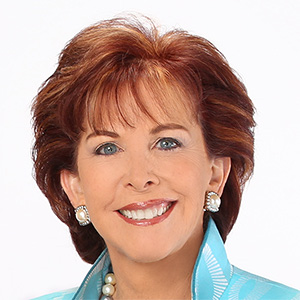

Terry Savage: The health insurance sinkhole
Last year, when the additional subsidies for the purchase of health insurance under the Affordable Care Act (Obamacare) were removed, there were widespread predictions that millions of Americans would go without health insurance. Premiums were expected to rise sharply, even to double, without the government subsidies.
We’ve become inured to ...Read more
Terry Savage: Keep private equity and private credit out of your pension plan
Oh, the irony. Just as market headlines reveal huge worries about “private credit” and “private equity,” the Labor Department (which is responsible for the security of pensions and retirement accounts) has proposed new guidelines to allow those very same instruments to be included in the 401(k) plans of unsophisticated individuals. They ...Read more

Terry Savage: Who is watching the MEGO numbers?
I call them MEGO numbers. That stands for My Eyes Glaze Over. Sometime the numbers are so huge that they don’t even make a dent in our consciousness. For example, the U.S. National Debt now stands at more than $39 TRILLION. And we will add another $2 trillion in debt in this year.
The immediate reaction is to shrug. How can that impact us ...Read more

Terry Savage: Aging alone? A trustee can look after your healthcare and financial affairs
What happens when you’re older and alone — with no one you trust to be there in your time of need? If you never had children, or are estranged from them, this is a huge issue. Your friends are aging along with you. Your only relative, a niece, lives thousands of miles away. Your “estate” isn’t large enough to attract the attention of a...Read more

Finding the right adviser is key to solid financial plan
Given the chaos in the world, when approaching your personal finances it’s tempting to just cover your head and let things take their course. After all, everything has worked out so far. And a future fraught with things we cannot control is intimidating. Whether it’s rising oil prices or global terrorism or AI taking jobs, most of those huge...Read more

Avoid the Heartbreak of Inheriting a Financial Mess
This breaks my heart. Below are two messages I received recently, describing the compounding of grief and financial disaster in the wake of death of a loved one. So, today’s column is dedicated to all those who love their families yet let their own pride and stubbornness create this type of disaster.
First to arrive was this:
“A friend's ...Read more

Terry Savage: Bigger tax refunds are coming to seniors, but only if they file a return
In the coming months, millions of seniors will file their tax returns, and many other seniors will think there is no reason to file a return based on their low income. But not filing — even with low income — could potentially deprive you of a refund on taxes that might have been withheld from other payments you receive.
The IRS reports that...Read more
Last chance to file the FAFSA for your college student
Time is growing short for parents of high school seniors (and those returning to college for the 2026-27 school year) to file the FAFSA — the Free Application for Federal Student Aid. This is not just for low-income parents to gain access to federal student loans. FAFSA is used in many college grants and private scholarships. So it’s ...Read more
Terry Savage: Artificial intelligence and your future prosperity
Artificial intelligence is coming faster and more furiously than you might have imagined. It has the power to change our society, our economy, our health and our personal relationships in ways that might not be pleasant to dwell on.
But you can’t ignore its impact on your personal finances and on your investment decisions. So, instead of ...Read more

Making sense of annuity pitches
A decade ago, the insurance industry made a huge annuity sales pitch to pre-retirees, offering them “variable” or “indexed” annuities with potential stock market growth — and typically with an attached rider promising future income. Now, in most cases, despite the huge gains in the stock market, the income portion is worth far more ...Read more

Terry Savage: What gold's runup is warning us about
Gold and silver prices have soared in the midst of global geopolitical uncertainty, concerns about the global role of the dollar, long-simmering inflation and general economic uncertainty.
Regular readers of my column know that I have always advised keeping a portion of your assets in gold and gold mining shares or mutual funds. (Search my ...Read more

Silver and gold — should you look for hidden treasure?
With the prices of gold and silver bullion making all-time highs, many people are thinking about turning grandma’s sterling silver flatware or grandpa’s collection of gold coins into cash. It could be considered “found money.”
But there are a few things you need to understand before you rush to the nearest coin dealer or hotel ballroom ...Read more

Is housing about to become more affordable?
With so much attention focused on the stock market, the housing market has faded into the background a bit. Sellers are reluctant to give up their older 3% mortgages to buy another, more expensive house. And buyers balk at the current 6% mortgage level — completely forgetting that 40 years ago many homebuyers were willing to accept double-...Read more

Now is the time to figure RMDs and review retirement portfolios
If you are retired, this is the perfect moment to review your investment exposure and — if you will be older than 73 this year — to calculate your required minimum distribution (RMD) and plan for withdrawals from traditional IRAs and employer-sponsored retirement plans.
Yes, it’s January, and markets are still near all-time highs, so it�...Read more
Related Channels
Bob Goldman
By Bob Goldman
Jill On Money
By Jill Schlesinger
Succeeding in Your Business
By Cliff Ennico
Comics