Gardening
/Home & Leisure
/ArcaMax
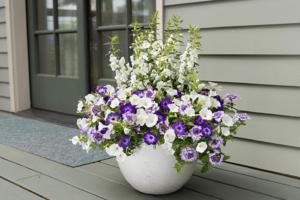
On Gardening: Pebble Beach 2027 recipe of the year
The summer plant trials are famous not only for introducing new plants to whip us into a frenzy but also new recipes, mixes or combinations to try not only in the landscape but in hanging baskets and planters too! One such recipe is called Pebble Beach and each selection or variety in the mix is an award winner.
The first variety is Superbena ...Read more
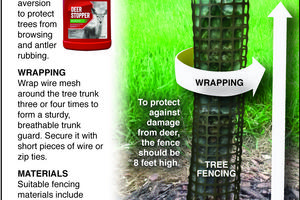
The Greener View: Stopping Deer Damage
Stopping Deer Damage
Q: I have a long arborvitae hedge, and I just noticed that something has shredded the branches on a couple of the trees at the far end of the hedge. It doesn't look like anything was eaten. Low branches are broken off, and the bark looks like someone took a cheese grater to it. How do I protect the plants?
A: You are ...Read more

On Gardening: Campfires heat up mixed containers
This summer the plant trials have been riotous in their displays of colors in the recipe section. One that caught my eye this year was Merry Go Round, which was full of colors from the hot side of the color wheel. One featured plant was Campfire Red Ember.
Red Ember is one of the three in the Campfire series. Campfire Marshmallow, Campfire ...Read more
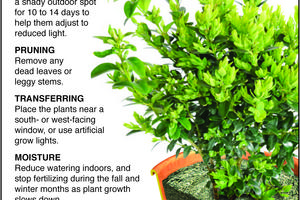
The Greener View: The Best Time To Move Your Plants Indoors for the Winter
The Best Time To Move Your Plants Indoors for the Winter
Remember last fall, when you had to bring all your houseplants indoors on the night before a killing freeze? You were in a panic because you forgot to bring them in over the weekend before the frost. You were dragging all the heavy, dirty and bug-ridden pots indoors. You created a mess ...Read more

On Gardening: This begonia is a 'surefire' winner
Love at first sight was the feeling many had last year when new plants were being evaluated. This group included botanical gardens, university trials, garden writers, and even growers who might put the plant in production. The plant I am referring to is Surefire Cascade Red begonia.
Like the name suggests it is a "surefire" winner. As it showed...Read more
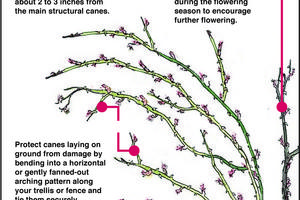
The Greener View: Pruning Climbing Roses for More Flowers
Pruning Climbing Roses for More Flowers
Q: I walked around the corner of my house to a side yard that isn't used much. There are two rose bushes that are planted next to the house with trellises. I was surprised to see 8-to-10-foot rose branches hanging down to my knees, way out over the lawn. I have a guy who mows the lawn, and he can cut the ...Read more

On Gardening: Mezoo Madness doubles with Golden Cascade Baby Sun Rose
Those of us attending the Young’s Plant Farm Annual Garden Tour in Auburn, Alabama, always have our eyes open to new plants, applications, or recipes. One plant that demanded attention this year was Golden Cascade Baby Sun Rose. Know upfront: It is NOT a rose. It’s from Proven Winners and marketed under their Proven Selections label. I hope ...Read more
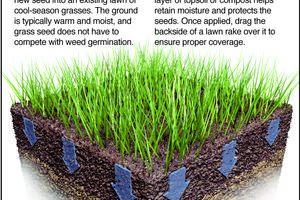
The Greener View: Renovating a Lawn
Renovating a Lawn
Q: Our lawn took a beating this summer. I was thinking that I should plant a cover crop of grass seed this fall so that it could start growing in the spring. Would that work? I have a pretty big area to cover.
A: It could work, but you should plant those seeds much later in the fall. You want those seeds to stay dormant until...Read more
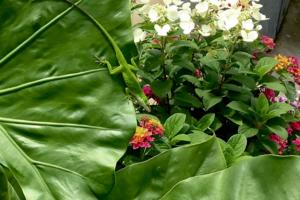
On Gardening: Emerald Isle is a new drama queen for the garden
In landscape design, elephant ears are often described as having coarse texture, or if they’re lucky, bold texture. To me, they are the "Drama Queens of the Garden."
You may know Proven Winners for their Supertunia Bubblegum petunias or their Limelight hydrangeas, but they have already shown they can sweep a boat load of awards with fancy ...Read more
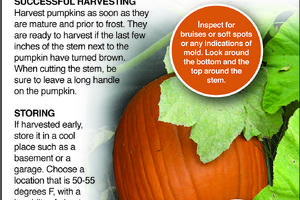
Growing Pumpkins
Q: My pumpkins have turned orange, and it is still two months until Halloween. What do I do now?
A: If the last few inches of the stem next to the pumpkin have turned brown, it is best to harvest it. If it is still green, leave it in the garden. If you harvest it, it should be kept in a cool location until you need it. If it is kept in a ...Read more

On Gardening: This lantana will give your garden a 'Royale' touch
If ever a summer called for tough-as-nails flowers in the landscape, it is 2026. As I write this, I am staring at a forecast with more triple-digit days ahead than I can bear. I grew up in West Texas, and 100-degree days in the summer were the norm. In Georgia the humidity adds its own touch to the misery index. These days beg for award-winning ...Read more
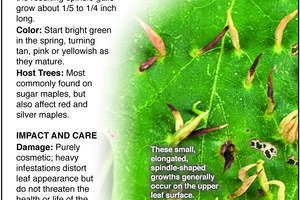
The Greener View: Spindle Galls and Moving Lilies
Spindle Galls and Moving Lilies
Q: I bring most of my houseplants outdoors for the summer. We have had a lot of wind and rain this summer, but except for a few tattered leaves, they are doing well. However, several different kinds of plants are producing new leaves that are a yellowish green. The leaves don't turn the normal green of their kind...Read more

On Gardening: Superlophus Sunglow stuns in containers and landscapes
Perfect Score, Director’s Select, Best of the Best and Leader of the Pack are just a few of the awards for Superlophus. I’m also reasonably sure you are thinking: What is a Superlophus?
Superlophus Sunglow is the official name botanically known as an Oenothera commonly called Texas primrose. That’s right: This golden yellow flower that is...Read more
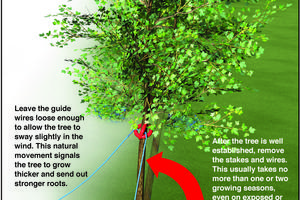
The Greener View: Can You Save a Blown-Over Tree?
Can You Save a Blown-Over Tree?
Have you been in the path of any storms lately? It seems like there have been a lot of storms in the past few weeks. The local sirens turned on a few days ago, so I headed to the basement. I quickly turned my phone to the Max Velocity YouTube channel to see if Max Schuster was doing a livestream about my storm. ...Read more

On Gardening: Heart to Heart Lemon Blush stuns with a rare spring return
Many of you are familiar with the term "surprise lilies." This name is mostly attributed to members of the Lycoris genus. In the South the red Lycoris radiata and yellow Lycoris aurea are two of the most treasured surprise lilies. We are approaching their season of bloom.
If you aren’t familiar with the term surprise lily, here's why they ...Read more
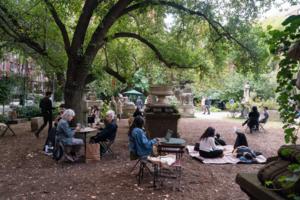
NYC Mayor Mamdani, in ditching housing plan at Elizabeth Street Garden, blames ex-Mayor Adams' aide
NEW YORK — Mayor Zohran Mamdani laid the blame Wednesday on former Eric Adams Deputy Mayor Randy Mastro for his own step back from a highly controversial plan to shut down Lower Manhattan’s Elizabeth Street Garden to build affordable housing on the site.
During last year’s mayoral campaign, despite growing opposition, Mamdani backed ...Read more
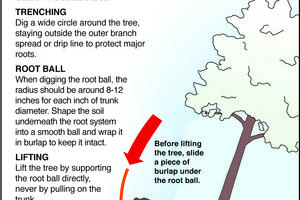
The Greener View: Can You Move a Tree?
Q: We planted a nice redbud tree three years ago, and it has grown too high for where it is. We want to move it about 20 feet to one side of the yard. Do you think the root system is too big now? How should we dig it up? It was balled and burlapped, and very large and heavy when we bought it. We spent a good amount of money on the tree and don't...Read more
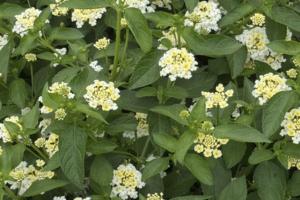
On Gardening: A Luscious Vanilla Breeze will debut next year
If you’ve been looking for a plump 24- to 30-inch-tall-and-wide white lantana, then you are about to have a new ingredient for all your mixed container and border designs. This breakthrough variety is called Luscious Vanilla Breeze.
The flowers open a soft yellow, but as The Garden Guy watches them every day, white is the color — or should ...Read more
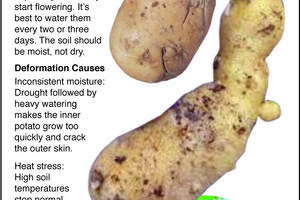
The Greener View: Unusual Potatoes
Q: I have a huge southwestern garden and have recently dug about 400 hills of potatoes. I doubt that I have more than 10 to 20 potatoes that are a normal shape. Some have three or four potatoes stuck together; some are long and thin; they are all shapes and sizes. I have never had this before. During the drought and heat, I kept them watered ...Read more

On Gardening: Sparkle Party creates a staycation atmosphere
The summer plant trials across the country are always exciting, not only from the standpoint of new plants that will be making their debut but also the new recipes. There are always big crowds around the mixed container recipes. This year one of my favorites is called Sparkle Party.
Sparkle Party really creates a festive atmosphere. It's kind ...Read more
Inside Gardening
Related Channels

ArcaMax Chef
By ArcaMax Chef

Ask The Builder
By Tim Carter

Ask The Vet
By Dr. Lee Pickett

Celebrity Travel
By Jae-Ha Kim

Dear Monty
By Richard Montgomery

Do It Yourself Or Not
By Gene and Katie Hamilton

Eric's Autos
By Eric Peters

Focus on the Family
By Jim Daly

Georgia Garvey
By Georgia Garvey

Here's How
By

Jeff Rugg
By Jeff Rugg

Lenore Skenazy
By Lenore Skenazy

Living Space
By Kathryn Weber

My Pet World
By Cathy M. Rosenthal

Real Estate Matters
By Ilyce R. Glink and Samuel J. Tamkin

Recipes by Zola
By Zola Gorgon

Rick Steves' Europe
By Rick Steves' Europe

Taking The Kids
By Eileen Ogintz

Travel & Adventure
By Various authors

Travel Troubleshooter
By Christopher Elliott
Comics