From the deer stand to the dinner table, a chef's guide to better venison
Published in Outdoors
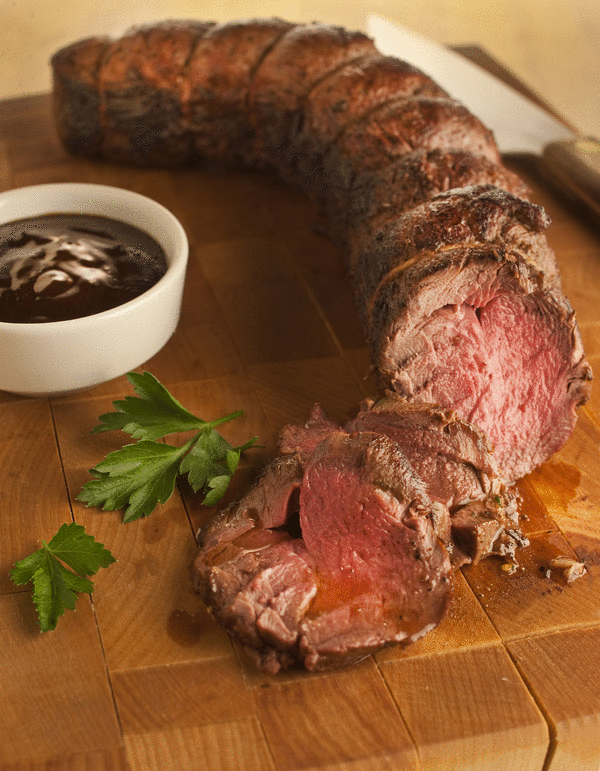
MINNEAPOLIS — Good deer meat starts with good marksmanship, says Hank Shaw.
“Don’t shoot a running deer,” the award-winning wild game chef and author advises, explaining that adrenaline pumping through a deer’s muscles can give the meat an unpleasant flavor. The same happens if a shot doesn’t kill the deer quickly, and it runs for a good distance before dying. “The ideal kill of a deer is where the deer never saw it coming.”
Choosing their shot wisely is just one factor hunters need to remember during Minnesota’s regular firearms deer season.
Most deer yield at least 55 pounds of lean, high-protein red meat that can become the most delicious meals you’ll ever eat — as long as you know how to care for and prepare it.
Shaw, a former reporter with the St. Paul Pioneer Press who took up hunting as an adult, is amid a book tour for the 10-year anniversary edition of his cookbook, “Buck, Buck, Moose: Recipes and Techniques for Cooking Venison,” which sold 100,000 copies and is considered by many to have set a new standard for venison butchering, preparation and cooking.
Why the new edition?
“Think about anything you’re good at. Now think about how much better you are now than you were 10 years ago,” he said in a recent interview from his home in St. Paul.
The new edition has 30 new recipes, about 100 new photographs and, Shaw said, an eye toward more accessible recipes. “Things like casseroles that you can make on a weeknight,” he said. “I also peppered throughout ways to cook with an Instant Pot or an air fryer, even a Crock Pot.”
Here’s some of Shaw’s advice for hunters this weekend.
Cool the meat quickly
Temperatures are forecast to be in the 50s across much of the state this weekend. That’s a problem, Shaw said, although hunters might not realize it.
“In Minnesota, there is a generational latency thing where everyone thinks it’s cold enough during deer season — because it always was,” he said. “But it’s not going to be that cold. Until the temperature gets below freezing, the clock starts ticking.”
Shaw called meat spoilage from temperature the “single biggest source of gamey flavors” in deer.
He advises skinning the deer and getting it into shade quickly. Quartering the deer can allow heat to dissipate quicker. Ice can be used, but be wary the condensation and meltwater; the warmer it is, the more likely water will encourage bacteria.
With overnight lows forecast to be in the 30s, Shaw said, skinned deer can safely hang in most sheds or garages for 24 to 48 hours — long enough to allow rigor mortis to pass, which he said is crucial to avoid tough meat. “For the love of all that’s holy, let the deer get through rigor.”
How to cook
From the fresh tenderloins hours after the hunt — “don’t forget the tenderloins!” — to roasts that will come mid-winter, Shaw laid out “two truisms with cooking venison”:
1. “If you are worried, undercook something because you can always cook it more, but you can’t uncook something.
2. “The biggest thing people do is cook the tough parts too little and the tender parts too much.”
So don’t let those tenderloins, located inside the cavity of the deer and recovered when it’s being gutted, cook long. But the shanks, which are replete with tough sinew, need to be braised for hours before they’ll become tender.
Speaking of shanks, “keep the shanks,” Shaw advised. “They’re delicious, but they’re the worst thing in the world to grind. They’re perfect for the Crock Pot or [Instant Pot].”
Ask the processor
Rather than tackle butchering an entire deer, many hunters bring their whole animal directly to a meat processor, who, for a fee, can store the deer in refrigerated conditions and break the meat down and package it. Processors have their own celebrated recipes for sausages and jerky, and most offer flexibility in large cuts and options for grinding parts of the deer.
Shaw said Minnesotans might not realize how good we have it when it comes to processors.
“We’re in a region of the country that cares a great deal about sausages,” he said, noting the abundance of German and Czech heritage across the Upper Midwest. “Definitely take advantage of your processor’s sausage skills.”
His other advice for hunters using meat processors: “It never hurts to ask.”
Many processors have a default set of offerings for hunters, but that doesn’t mean they don’t have other options. “Ask for the cut sheet.”
How much fat in the grind?
A hot topic among deer hunters is how to prepare ground venison, which has almost no fat marbled into its tissue. Add fat to the grinder? What kind of fat? How much fat?
This is where Shaw comes down: “15 percent fat, beef or pork.”
While no-fat ground meat can be used for spaghetti sauces or chili, Shaw said he rarely bothers with it, since there’s a higher purpose for most ground venison.
“No matter what anyone says, there is no burger without fat.”
____
©2026 The Minnesota Star Tribune. Visit startribune.com. Distributed by Tribune Content Agency, LLC






Comments