Fantasy football Week 12: Start, sit and sleepers
Published in Football
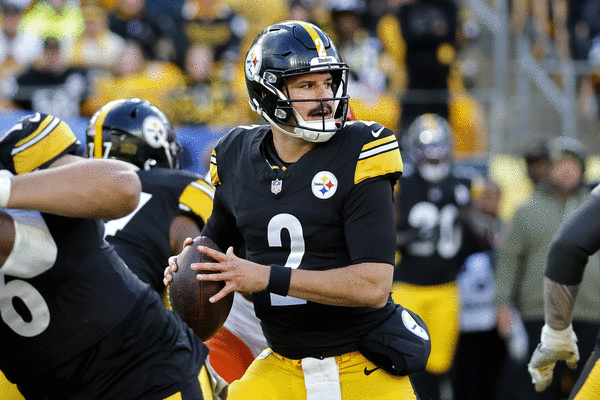
Here's a look back at Week 11's action and fantasy advice for the week ahead:
WEEK 11 RECAP
Texans 26, Colts 3: C.J. Stroud threw three TD passes, including a 42-yard strike to Nico Collins, while Will Anderson Jr. spearheaded a dominant defensive performance that included nine quarterback pressures and a safety. Jonathan Taylor managed only 21 yards on 11 carries, and Indianapolis’ subsequent decision to move on from Daniel Jones further complicates the fantasy outlook for everyone in the Colts’ offense.
Bills 26, Dolphins 9: Josh Allen threw for 304 yards, Khalil Shakir caught five passes for 101 yards and D.J. Moore contributed eight receptions for 91 yards and a TD with Dalton Kincaid sidelined. James Cook III rushed for 89 yards and a score, extending his remarkable streak of consecutive games with at least 75 rushing yards and a rushing TD to nine.
Bears 21, Saints 13: Caleb Williams threw for 181 yards and two TDs, including one to Colston Loveland, while recently acquired defensive tackle Jeffery Simmons recorded three sacks. Travis Etienne Jr. produced 76 yards on 14 carries, establishing himself as New Orleans’ featured runner and significantly diminishing whatever fantasy value Alvin Kamara and Audric Estime had remaining.
Cowboys 51, Titans 30: Dak Prescott delivered a fantasy bonanza with 325 passing yards and five total TDs, while CeeDee Lamb caught 11 passes for 132 yards and a score and George Pickens also surpassed 90 receiving yards with a TD. Tennessee’s offense provided plenty of fantasy goodness despite the lopsided defeat, with Tony Pollard rushing for 110 yards and rookie Carnell Tate scoring on a 59-yard reception.
Lions 31, Buccaneers 21: Jahmyr Gibbs produced 118 scrimmage yards and two rushing TDs, giving him 1,502 scrimmage yards and 15 TDs through only 10 games, while Jared Goff threw two TD passes. Baker Mayfield returned with 187 passing yards and two TDs, both to rookie Ted Hurst III, while Bucky Irving contributed 100 scrimmage yards and a rushing score.
Chiefs 34, Cardinals 7: Patrick Mahomes threw for 324 yards and three TDs, including two to Travis Kelce, while Emmett Johnson strengthened his case for retaining a significant role even after Kenneth Walker III returns by producing 143 scrimmage yards and a rushing TD. According to NFL Next Gen Stats, the rookie entered Sunday night’s game leading the league with a missed tackle forced on 41.1% of his touches (minimum 50 touches).
Eagles 19, Steelers 16: Saquon Barkley rushed for 75 yards, including a 38-yard TD, while Philadelphia’s defense kept Pittsburgh’s offense largely in check. DK Metcalf was ejected after receiving two unsportsmanlike conduct penalties, and the Steelers have since announced Mason Rudolph will replace Aaron Rodgers as their starting quarterback Friday against Denver.
Panthers 35, Ravens 33: Bryce Young threw for 254 yards and two TDs while overcoming a 12-point deficit, with Tetairoa McMillan catching six passes for 71 yards and a score. Jalen Coker resurfaced with four receptions for 47 yards on seven targets, although Carolina’s distribution of receiving opportunities behind McMillan remains difficult to predict.
Jets 27, Chargers 24: Geno Smith threw three TD passes, including two to … checks notes … Sterling Shepard(?!), while Breece Hall and Braelon Allen combined for 161 rushing yards on 36 carries, creating renewed standalone fantasy value for Allen. Justin Herbert entered the concussion protocol following the defeat, potentially compromising the fantasy outlook for the Chargers’ entire receiving corps.
Broncos 38, Raiders 24: Jonah Coleman delivered the breakout fantasy performance his managers have been waiting for, rushing for 111 yards and three TDs on 24 carries while adding 18 receiving yards. The rookie earned AFC Offensive Player of the Week honors and has firmly established himself as a potential league-winner heading into the fantasy playoffs.
Giants 23, Jaguars 18: Malik Nabers caught seven of 12 targets for 55 yards and a TD, while Cam Skattebo’s involvement in the passing game helped compensate for a difficult afternoon on the ground against Jacksonville. Abdul Carter generated a career-high 12 quarterback pressures, according to NFL Next Gen Stats, reinforcing the Giants’ defensive streaming appeal ahead of this week’s matchup with Indianapolis.
49ers 35, Vikings 10: Brock Purdy dismantled the NFL’s most formidable defense in Mexico City, completing 21 of 26 passes for 255 yards and three TDs to earn NFC Offensive Player of the Week honors. Kaelon Black’s streak of three consecutive games with double-digit carries ended, with the rookie managing only 15 scrimmage yards on seven touches as Christian McCaffrey continued dominating San Francisco’s backfield.
Commanders 22, Bengals 20: Rookie Antonio Williams enjoyed his coming-out party on Monday night, catching nine of 11 targets for 122 yards, including a clutch 42-yard reception that set up the winning field goal. Williams’ emergence with Terry McLaurin sidelined for the remainder of the season provides another potential difference-maker for fantasy managers scrambling to improve their receiving depth ahead of the playoffs.
This week’s guide features 251 players and defenses across all 16 matchups, including 60 obvious starters, 55 start recommendations, 101 sit recommendations and 34 sleepers. That’s individualized analysis for 191 selections outside the obvious-starter category, with particular attention to injuries, evolving backfields and favorable matchups as the fantasy playoff race intensifies.
After surviving last week’s six-team bye-pocalypse, fantasy managers finally have the entire NFL at their disposal for Thanksgiving week. Of course, the league has found another way to complicate our lives by adding a Wednesday night game to the holiday schedule, giving us five games before the weekend even begins.
Kenneth Walker III has already been ruled out for Thanksgiving night, giving Emmett Johnson another opportunity to cement his place in Kansas City’s backfield, while Denver’s Jonah Coleman looks increasingly capable of carrying fantasy teams into December. Meanwhile, quarterback changes in Indianapolis, Pittsburgh and New England, along with Justin Herbert’s concussion, require us to reassess several offenses at the most consequential point of the fantasy regular season.
Still looking to strengthen your roster? My Week 12 waiver wire guide can help identify potential roster upgrades.
Hit me up @UTEddieBrown on X, formerly known as Twitter, with any specific roster or lineup questions I don’t cover below.
(Editor’s note: This guide reflects the information available Wednesday, ahead of the NFL’s inaugural Thanksgiving Eve game. Recommendations will be updated as additional injury reports and official game-day designations become available.)
GREEN BAY AT L.A. RAMS
Obvious starters: Christian Watson (GB), Matthew Golden (GB), Kyren Williams (LAR).
Who to start: Jordan Love (GB) entered the week as the QB7 in fantasy points per game, and his ability to stretch the field vertically creates opportunities against a Rams secondary that has been more vulnerable to deep passes than its overall defensive efficiency suggests. The Packers D/ST gets Micah Parsons back after generating pressure at an elite rate over its last five games and faces an offense missing Puka Nacua, Davante Adams and two starting interior offensive linemen. Matthew Stafford (LAR) threw three TD passes against Arizona despite his depleted receiving corps, although Green Bay’s aggressive pass rush and Stafford’s lingering elbow ailment make him a better superflex option than a conventional QB1. Blake Corum (LAR) has averaged 80.5 scrimmage yards since Week 5 and produced 119 yards on 20 touches before the bye, giving him legitimate RB2 appeal alongside Williams. Tyler Higbee (LAR) should remain one of Stafford’s primary underneath and red-zone options with Nacua and Adams sidelined, especially with fellow tight end Terrance Ferguson ruled out. The Rams D/ST features Myles Garrett, Aaron Donald and a formidable defensive front capable of exploiting Green Bay’s unsettled offensive line after Minnesota sacked Love eight times before the bye.
Who to sit: Tucker Kraft (GB) faces a Rams defense that has been particularly effective at preventing passing TDs, while Watson and Golden command enough of Love’s high-value targets to make Kraft less appealing than usual. Josh Jacobs (GB) remains questionable after undergoing finger surgery, and even if activated, the possibility of a restricted workload against Los Angeles’ formidable run defense makes him difficult to trust. Kaleb Johnson (GB) has averaged 55 rushing yards over his last two games with minimal receiving involvement, and the Rams have allowed the NFL’s lowest rushing success rate over their last five games, according to FantasyPros. MarShawn Lloyd (GB) remains part of an unsettled backfield rotation and lacks a dependable path to double-digit touches regardless of Jacobs’ availability. Tutu Atwell (LAR) possesses the speed to exploit single coverage, but his inconsistent target volume makes him an unreliable flex even with Los Angeles’ top two receivers sidelined. Colby Parkinson (LAR) remains dependent on red-zone opportunities while sharing routes with Higbee and Davis Allen, making him a TD-or-bust streaming option.
Sleepers: Konata Mumpfield (LAR) produced 81 receiving yards on four targets before the bye and previously delivered a 93-yard, one-TD performance against Denver without Nacua, giving the young receiver legitimate breakout potential with so many vacated targets available. CJ Daniels (LAR) has an opportunity to establish himself in Stafford’s receiving rotation with Nacua and Adams sidelined, making the rookie an intriguing deep-league dart throw if his route participation increases.
CHICAGO AT DETROIT
Obvious starters: D’Andre Swift (CHI), Luther Burden III (CHI), Colston Loveland (CHI), Jahmyr Gibbs (DET), Amon-Ra St. Brown (DET).
Who to start: Caleb Williams (CHI) has an opportunity to deliver substantial fantasy production in what projects as one of the week’s highest-scoring games. Rome Odunze (CHI) has accumulated 14 deep targets this season, and his ability to exploit single-high coverage gives him boom-or-bust WR3 upside in a potential Thanksgiving shootout. Jared Goff (DET) has thrown five TD passes over his last two games, and the Lions’ ability to neutralize Chicago’s formidable pass rush through Gibbs and St. Brown should help preserve his QB1 ceiling at Ford Field. Jameson Williams (DET) has produced WR1-caliber fantasy numbers since Week 4, and Chicago’s frequent deployment of two-high coverage plays into his ability to find explosive opportunities between and behind defenders.
Who to sit: Kyle Monangai (CHI) managed only 18 yards on eight carries in his return from a toe injury and now faces a Detroit defense that has surrendered very little after initial contact in recent weeks. The Bears D/ST has become considerably more dangerous since acquiring Simmons, but Detroit’s collection of explosive playmakers and Goff’s efficiency at home make this a week to explore other options. Sam LaPorta (DET) is coming off his best receiving performance since Detroit’s bye with 62 yards on six targets, but his recent arm and neck issues and competition for opportunities behind Gibbs and St. Brown make him a less appealing TE1 than his season-long production suggests. The Lions D/ST faces a Chicago offense featuring a mobile quarterback, a productive rushing attack and three dangerous receiving weapons, creating too much downside in a game with substantial shootout potential.
Sleeper: Kalif Raymond (CHI) gets a revenge-game opportunity against his former team and possesses the speed to exploit coverage tilted toward Burden, Odunze and Loveland, making him a speculative flex in deeper leagues.
PHILADELPHIA AT DALLAS
Obvious starters: Saquon Barkley (PHI), DeVonta Smith (PHI), Dak Prescott (DAL), CeeDee Lamb (DAL), George Pickens (DAL), Javonte Williams (DAL).
Who to start: Dallas Goedert (PHI) has averaged 44 receiving yards in two games with Joe Milton III under center, and Dallas’ explosive offense could force the Eagles into enough passing situations to make Goedert a viable low-end TE1 despite his diminished target share.
Who to sit: Makai Lemon (PHI) saw his target share fall to 14.3% with Smith back against Pittsburgh, and Dallas has defended slot receivers considerably better than perimeter receivers in recent weeks. Will Shipley (PHI) returned last week after missing four games with a foot injury, but Barkley’s command of the backfield and uncertainty surrounding Shipley’s workload make him little more than a bench stash. The Eagles D/ST remains capable of disrupting opposing quarterbacks, but Prescott has accounted for 10 TDs over his last two games with Lamb and Pickens creating matchup nightmares on the perimeter. Jake Ferguson (DAL) has missed consecutive games with knee and ankle injuries, and uncertainty surrounding his availability and workload makes him an unnecessary gamble on a short week. The Cowboys D/ST has surrendered 76 points over its last two games, and Milton’s rushing ability combined with Barkley’s explosive potential makes Dallas a risky streamer despite Philadelphia’s quarterback problems.
Sleepers: Joe Milton III (PHI) hasn’t thrown a TD pass in two starts, but his rushing ability and a matchup against one of the league’s most vulnerable secondaries create intriguing superflex upside if Dallas forces Philadelphia to chase points. Darius Cooper (PHI) produced 59 receiving yards while commanding nearly one-quarter of Milton’s targets against Pittsburgh, giving him deep-league flex appeal against a Cowboys defense that has struggled against perimeter receivers. Ryan Flournoy (DAL) has drawn eight red-zone targets since Week 5 and faces an Eagles defense allowing the fifth-most receiving fantasy points per game to slot receivers over its last five games, according to FantasyPros.
KANSAS CITY AT BUFFALO
Obvious starters: Patrick Mahomes (KC), Travis Kelce (KC), Josh Allen (BUF), James Cook III (BUF).
Who to start: Rashee Rice (KC) caught six passes for 53 yards against Arizona despite limited route participation, and his ability to manufacture yards after the catch should preserve WR2 value against Buffalo’s improving secondary. Emmett Johnson (KC) has produced 314 scrimmage yards and three TDs in two starts, making the rookie an unquestioned RB1 with Walker officially ruled out for Thanksgiving night. D.J. Moore (BUF) has developed into Allen’s preferred perimeter target since returning in Week 8, producing eight receptions for 91 yards and a TD against Miami to reinforce his WR2 status even against Kansas City’s stingy secondary. Dalton Kincaid (BUF) returned to practice after missing last week’s game with thumb and ankle injuries, and his ability to find openings underneath Kansas City’s two-high coverage creates TE1 upside if cleared to play.
Who to sit: Kenneth Walker III (KC) has been ruled out for a third consecutive game with a groin injury, leaving Johnson positioned for another featured workload against Buffalo. Josh Downs (KC) caught four passes for 59 yards against Arizona but played only 17 of Kansas City’s 67 offensive snaps before garbage time, making his remarkable per-route productivity difficult to sustain. Xavier Worthy (KC) remains dependent on explosive downfield connections, and the Chiefs’ expanding receiver rotation combined with Buffalo’s improved perimeter coverage considerably diminishes his fantasy floor. The Chiefs D/ST faces an offense featuring Allen and Cook, who have combined for at least 20 rushing TDs in each of the last three seasons, making Kansas City difficult to trust despite its defensive pedigree. Keon Coleman (BUF) managed only two receptions for 17 yards against Miami despite Kincaid’s absence, reinforcing his position behind Moore and Khalil Shakir in Buffalo’s receiving pecking order. The Bills D/ST hasn’t surrendered a TD in its last three games, but Mahomes and a rejuvenated Kansas City rushing attack present a considerably more difficult assignment than Buffalo’s recent opponents.
Sleepers: Khalil Shakir (BUF) produced 101 receiving yards against Miami and could become particularly valuable if Kansas City’s excellent perimeter coverage funnels additional targets toward the middle of the field. Dawson Knox (BUF) becomes an appealing contingency plan if Kincaid suffers a setback, with his red-zone chemistry with Allen providing TD-dependent streaming appeal even if Kincaid returns in a limited capacity.
DENVER AT PITTSBURGH
Obvious starters: Jonah Coleman (DEN), Jaylen Warren (PIT).
Who to start: Jaylen Waddle (DEN) hasn’t consistently delivered on his considerable fantasy potential this season, but his ability to create separation on crossing routes and generate yards after the catch gives him WR3 upside if Pittsburgh concentrates its defensive resources on containing Coleman. The Broncos D/ST faces Mason Rudolph in his first start of the season after Pittsburgh benched and then cut Rodgers, creating considerable sack and takeaway potential for Denver’s aggressive pass rush. Pat Freiermuth (PIT) should provide Rudolph with a dependable short-area outlet against Denver’s pressure packages, particularly given the difficult coverage assignments facing Pittsburgh’s perimeter receivers.
Who to sit: Bo Nix (DEN) has produced QB2 numbers since Sean Payton resumed play-calling duties, and Coleman’s emergence combined with Pittsburgh’s disruptive defensive front could limit his passing volume and efficiency. Courtland Sutton (DEN) was held without a reception against Las Vegas and has surpassed 50 receiving yards only once this season, making it increasingly difficult to justify starting him based on name recognition alone. Pat Bryant (DEN) remains an inconsistent secondary receiving option in an offense increasingly reliant on Coleman, without the target volume necessary to overcome a difficult road matchup. DK Metcalf (PIT) has caught two or fewer passes in four consecutive games and now must contend with Denver’s formidable secondary while adjusting to another quarterback. Germie Bernard (PIT) has maintained substantial route participation, but Michael Pittman Jr.’s anticipated return and a matchup against Denver’s stingy perimeter coverage diminish his flex appeal. Roman Wilson (PIT) remains a speculative option after returning from injured reserve, with Pittsburgh’s quarterback change and increasingly crowded receiving corps creating too much uncertainty. Rico Dowdle (PIT) has averaged 11.5 touches and 52.5 scrimmage yards since Week 7, making him overly dependent on a short-yardage TD against Denver. The Steelers D/ST faces a Broncos offense that just scored 38 points against Las Vegas and can minimize obvious passing situations through Coleman’s increasingly dominant rushing workload.
Sleepers: Evan Engram (DEN) caught six of eight targets for 74 yards against Las Vegas, and his ability to exploit underneath coverage provides intriguing TE streaming potential if Pittsburgh successfully disrupts Denver’s perimeter passing attack. Mason Rudolph (PIT) has enough experience and receiving talent at his disposal to warrant desperation superflex consideration, although Denver’s pressure and coverage capabilities create a dangerously low floor. Darnell Washington (PIT) offers considerable red-zone potential with his imposing frame, particularly if Rudolph leans on Pittsburgh’s tight ends to neutralize Denver’s pass rush.
NEW ORLEANS AT CINCINNATI
Obvious starters: Chris Olave (NO), Joe Burrow (CIN), Ja’Marr Chase (CIN), Tee Higgins (CIN), Chase Brown (CIN).
Who to start: Tyler Shough (NO) rushed for another 34 yards against Chicago, and his developing dual-threat ability creates QB streaming upside in a matchup that could force New Orleans to significantly increase its passing volume. Travis Etienne Jr. (NO) handled 14 carries against Chicago compared with only one for Kamara, signaling a significant consolidation of New Orleans’ backfield opportunities and giving him RB2 appeal against Cincinnati. Mike Gesicki (CIN) faces a Saints defense allowing the seventh-most PPR fantasy points per game to tight ends, creating attractive streaming potential with opposing coverage understandably focused on Chase and Higgins. The Bengals D/ST faces a New Orleans offense that managed only 13 points against Chicago, and Cincinnati’s ability to establish an early lead could create additional opportunities to pressure Shough behind a compromised offensive line.
Who to sit: Jordyn Tyson (NO) followed his 11-reception breakout against Carolina with only one catch for six yards against Chicago, and uncertainty surrounding his playing time and lingering chest injury makes it difficult to trust the rookie despite an appealing matchup. Devaughn Vele (NO) caught all seven of his targets for 76 yards against the Bears, but his expanded role coincided with Tyson’s reduced playing time and could prove temporary. Alvin Kamara (NO) handled only one rushing attempt against Chicago, and Etienne’s emergence as the Saints’ featured runner has effectively eliminated the veteran’s standalone fantasy value. Audric Estime (NO) has been squeezed out of meaningful backfield opportunities since Etienne returned, making him strictly an injury-contingent stash. The Saints D/ST faces a Cincinnati offense featuring one of the NFL’s premier quarterback-receiver combinations and a versatile running back capable of punishing defensive aggression.
Sleepers: Juwan Johnson (NO) faces a Bengals defense allowing the 10th-most fantasy points per game to tight ends in PPR formats, making him a matchup-driven streamer if the hamstring injury he suffered against Chicago doesn’t prevent him from playing. Noah Fant (NO) becomes an intriguing alternative if Johnson is sidelined, with the potential for increased route participation and underneath targets in a game featuring considerable negative-game-script potential. Samaje Perine (CIN) produced 97 scrimmage yards against Washington, including a 44-yard reception, and could receive additional rushing opportunities if Cincinnati establishes a comfortable lead against New Orleans.
N.Y. GIANTS AT INDIANAPOLIS
Obvious starters: Malik Nabers (NYG), Cam Skattebo (NYG), Isaiah Likely (NYG), Jonathan Taylor (IND).
Who to start: The Giants D/ST faces Anthony Richardson in his first start of the season following Indianapolis’ release of Daniel Jones, and Abdul Carter’s career-high 12 quarterback pressures against Jacksonville provide plenty of reason to anticipate another productive defensive performance.
Who to sit: Devin Singletary (NYG) handled only two touches against Jacksonville while Skattebo received 21 rushing attempts and targets combined, leaving the veteran without a dependable standalone workload. Malachi Fields (NYG) caught only two of five targets for 25 yards against Jacksonville, and a potentially favorable game script for New York’s rushing attack could further limit his opportunities. Darnell Mooney (NYG) remains a secondary receiving option behind Nabers and Likely, and his dependence on downfield completions makes him difficult to trust with McCarthy still developing as a passer. Tyler Warren (IND) has averaged only 21.3 receiving yards over his last four games, and Indianapolis’ transition to Richardson introduces even more uncertainty regarding the quality and volume of his targets. The Colts D/ST has surrendered 27 points per game and now faces a Giants offense featuring three dependable fantasy weapons capable of creating explosive plays in different areas of the field.
Sleepers: J.J. McCarthy (NYG) rushed for 33 yards on seven carries against Jacksonville and now faces an Indianapolis defense allowing the 10th-most fantasy points per game to quarterbacks, creating legitimate streaming potential through his combination of passing weapons and mobility. Anthony Richardson (IND) inherits an uninspiring collection of receiving options in his return to the starting lineup, but his exceptional rushing ability makes him an intriguing high-variance superflex play against New York.
N.Y. JETS AT MIAMI
Obvious starters: Garrett Wilson (NYJ), Breece Hall (NYJ), Ollie Gordon II (MIA).
Who to start: Braelon Allen (NYJ) produced 84 scrimmage yards on 17 touches against the Chargers, and Miami’s vulnerable defensive front gives the bruising runner an opportunity to deliver standalone flex production alongside Hall. Caleb Douglas (MIA) converted only two of 10 targets against Buffalo but commanded a 30.3% target share, and the rookie previously produced 70 receiving yards and two TDs against the Jets in Week 7.
Who to sit: Geno Smith (NYJ) threw three TD passes against the Chargers but needed only 21 attempts, making it difficult to anticipate another similarly efficient fantasy performance against Miami with the Jets capable of controlling the game on the ground. Omar Cooper Jr. (NYJ) missed last week’s game with ankle and hip injuries, and uncertainty surrounding his availability and immediate workload makes him difficult to trust even if activated. Adonai Mitchell (NYJ) caught two passes for 30 yards against the Chargers, and his dependence on explosive downfield completions remains problematic in a low-volume passing attack. Kenyon Sadiq (NYJ) caught all three of his targets against Los Angeles but continues splitting receiving opportunities with Taylor, eliminating any dependable TE1 floor. Kyle McCord (MIA) completed only 12 of 33 passes for 102 yards with an interception against Buffalo, making the rookie difficult to trust even against a less imposing Jets defense. Malik Washington (MIA) has been overtaken by Douglas as McCord’s primary receiving option, and his modest depth of target limits his upside without substantial reception volume. Chris Bell (MIA) suffered a chest injury against Buffalo and remains behind Douglas and Washington in Miami’s receiving rotation, creating multiple reasons to keep the rookie on your bench. Greg Dulcich (MIA) drew seven targets against Buffalo but converted them into only two receptions for 12 yards, highlighting the limitations of Miami’s passing attack despite potentially favorable coverage matchups.
Sleepers: Mason Taylor (NYJ) faces a Miami defense that has struggled against receiving tight ends for much of the season, and his ability to exploit underneath coverage gives him speculative PPR streaming appeal. The Jets D/ST faces a rookie quarterback who has completed fewer than 40% of his passes against Buffalo, creating opportunities for David Bailey and New York’s pass rush to generate sacks and hurried throws. The Dolphins D/ST offers desperation streaming potential against a Jets offense that remains vulnerable to negative plays despite Smith’s efficient performance against the Chargers.
ATLANTA AT MINNESOTA
Obvious starters: Bijan Robinson (ATL), Drake London (ATL), Justin Jefferson (MIN), Vikings D/ST.
Who to start: Kirk Cousins (MIN) has an appealing bounceback opportunity against his former team after struggling against San Francisco, with Atlanta’s vulnerable defense and his familiarity with Minnesota’s offensive weapons creating legitimate QB streaming potential. Aaron Jones (MIN) faces an Atlanta defense susceptible to receiving production from opposing running backs, making his versatility particularly valuable in PPR formats. Jordan Mason (MIN) should benefit from a considerably more favorable rushing environment than he encountered against his former team in Mexico City, with Minnesota potentially controlling this game through its backfield and defense. T.J. Hockenson (MIN) retains TE1 appeal with Jordan Addison recovering from thumb surgery, particularly against an Atlanta defense that will need to devote substantial coverage resources to Jefferson.
Who to sit: Michael Penix Jr. (ATL) faces a Minnesota defense that has been one of the NFL’s stingiest against fantasy quarterbacks, and Brian Flores’ aggressive pressure packages create considerable turnover potential for the young passer. Jahan Dotson (ATL) remains a complementary receiving option behind London, and Minnesota’s formidable coverage makes his already inconsistent target volume difficult to trust. Kyle Pitts (ATL) faces a Vikings defense allowing fewer than 10 PPR fantasy points per game to opposing tight ends this season, making him a risky streamer despite his athletic upside.
Sleepers: The Falcons D/ST offers speculative streaming potential through its ability to pressure the relatively immobile Cousins behind a Minnesota offensive line dealing with Christian Darrisaw’s shoulder injury. Jauan Jennings (MIN) should continue benefiting from Addison’s absence and faces an Atlanta defense allowing the seventh-most PPR fantasy points per game to wide receivers, creating an appealing opportunity for volume-driven flex production.
TENNESSEE AT JACKSONVILLE
Obvious starters: Tony Pollard (TEN), Trevor Lawrence (JAC), Parker Washington (JAC), Bhayshul Tuten (JAC) — if active.
Who to start: Cam Ward (TEN) has an increasingly dangerous collection of receiving weapons at his disposal and could benefit from another pass-heavy game script against Jacksonville, although the Jaguars’ improved secondary makes him a better superflex option than a dependable QB1. Carnell Tate (TEN) showcased his explosive potential with a 59-yard TD reception against Dallas in his return from a shoulder injury, and his ability to win downfield gives him WR3 upside even against Jacksonville’s improving coverage. Jakobi Meyers (JAC) faces a Tennessee defense surrendering a league-high 45.2 PPR fantasy points per game to wide receivers, creating an excellent opportunity for his route-running and intermediate receiving ability to translate into substantial production. Brenton Strange (JAC) has an appealing TE1 streaming opportunity against a Titans defense that has struggled to contain receiving tight ends in recent weeks, particularly with Jacksonville’s perimeter weapons commanding defensive attention. The Jaguars D/ST faces a one-win Tennessee team that just surrendered 51 points to Dallas and could force Ward into obvious passing situations if Lawrence establishes an early lead.
Who to sit: Calvin Ridley (TEN) produced 68 receiving yards and a TD against Dallas, but Tate’s return and Chimere Dike’s growing involvement create substantial competition for targets against a Jacksonville defense that has been particularly stingy against wide receivers over its last four games. Gunnar Helm (TEN) caught only two passes for 14 yards against Dallas and faces a Jaguars defense that has consistently limited production from opposing tight ends. The Titans D/ST faces a Jacksonville offense that scored 40 points in their previous meeting and could overwhelm Tennessee’s injury-depleted secondary once again. Brian Thomas Jr. (JAC) gets one of the week’s most favorable matchups, but his inconsistent target volume behind Washington and Meyers makes it difficult to anticipate a breakout with confidence. Travis Hunter (JAC) remains an intriguing long-term asset, but Jacksonville’s crowded receiving rotation makes his weekly offensive workload too unpredictable to trust despite the enticing matchup.
Sleepers: Elic Ayomanor (TEN) caught all three of his targets against Dallas and retains deep-league flex appeal through his size and contested-catch ability if Jacksonville forces Tennessee to abandon its rushing attack. Chimere Dike (TEN) led the Titans with seven targets against Dallas, converting six into 69 receiving yards, and his expanding role gives him intriguing PPR upside in another potentially pass-heavy game. Chris Rodriguez Jr. (JAC) becomes one of this week’s most intriguing RB2 contingencies if Tuten is limited or sidelined after aggravating an injury against the Giants, considering Tennessee’s recent struggles defending running backs.
BALTIMORE AT HOUSTON
Obvious starters: Derrick Henry (BAL), Zay Flowers (BAL), C.J. Stroud (HOU), Nico Collins (HOU).
Who to start: David Montgomery (HOU) returned from a groin injury against Indianapolis, and his ability to handle early-down and goal-line opportunities gives him RB2 appeal against a Baltimore defense that just surrendered 35 points to Carolina. The Texans D/ST has an opportunity to build on its dominant performance against Indianapolis, with Will Anderson Jr. playing at a Defensive Player of the Year level and Baltimore’s offensive line vulnerable to pressure.
Who to sit: Jacoby Brissett (BAL) faces a considerably more disruptive pass rush than he encountered against Carolina, and Houston’s ability to generate pressure without sacrificing coverage diminishes his streaming appeal. Ja’Kobi Lane (BAL) remains an intriguing developmental receiver, but his dependence on contested catches and downfield opportunities makes him difficult to trust against Houston’s aggressive defensive front. Justice Hill (BAL) produced 96 scrimmage yards and a TD against Carolina but has failed to reach double-digit carries in any game this season, making last week’s performance difficult to replicate. Mark Andrews (BAL) followed his eight-catch Baltimore debut with Brissett by managing only two receptions for 14 yards against Carolina, and Houston has allowed the second-fewest PPR fantasy points per game to tight ends. The Ravens D/ST faces an increasingly productive Houston passing attack featuring Stroud and Collins, making Baltimore difficult to trust after surrendering 35 points to Carolina. Woody Marks (HOU) missed last week’s game with a concussion, and Montgomery’s return threatens his access to early-down and goal-line opportunities even if cleared. Tank Dell (HOU) remains an explosive receiving threat without dependable route participation, making his fantasy production overly reliant on low-percentage downfield connections. Marvin Harrison Jr. (HOU) needs to demonstrate he’s healthy enough to reclaim a substantial receiving workload before fantasy managers can confidently consider him for their starting lineups. Xavier Hutchinson (HOU) remains capable of exploiting favorable slot matchups, but Houston’s increasingly crowded receiving rotation threatens his weekly target floor. Kayshon Boutte (HOU) remains an appealing big-play threat in Stroud’s offense, but his inconsistent receiving volume makes him TD-dependent.
Sleepers: Rashod Bateman (BAL) returned to fantasy relevance against Carolina and could benefit from additional downfield opportunities if Houston’s offensive efficiency forces Brissett to increase his passing volume. Dalton Schultz (HOU) faces a Baltimore defense allowing 17.1 PPR fantasy points per game to opposing tight ends over its last four games, creating an appealing streaming opportunity despite his inconsistent target share.
NEW ENGLAND AT L.A. CHARGERS
Obvious starter: Rhamondre Stevenson (NE).
Who to start: The Patriots D/ST faces a Chargers offensive line missing three starters and could have the added benefit of facing a backup quarterback if Herbert doesn’t clear the concussion protocol. Justin Herbert (LAC) finally delivered his first QB1 fantasy performance of the season against the Jets, and New England’s vulnerable secondary creates another appealing streaming opportunity if he’s medically cleared. Ladd McConkey (LAC) faces a Patriots defense allowing the second-most PPR fantasy points per game to wide receivers, although Herbert’s availability will significantly influence his WR2 ceiling. Omarion Hampton (LAC) should remain the focal point of Los Angeles’ offense regardless of Herbert’s availability, with his combination of early-down volume, receiving ability and goal-line opportunities preserving RB2 value. The Chargers D/ST faces Tommy DeVito in his first start of the season with A.J. Brown unlikely to play, creating one of the week’s most appealing defensive streaming opportunities despite Los Angeles’ miserable record.
Who to sit: Tommy DeVito (NE) has averaged only 4.1 yards per passing attempt in relief of Drake Maye this season, making him difficult to trust even against a Chargers defense that has struggled to consistently win games. A.J. Brown (NE) isn’t expected to play because of a hamstring injury, and Maye’s fractured fibula further compromises the veteran’s already disappointing fantasy outlook. DeMario Douglas (NE) could inherit additional targets with Brown sidelined, but the transition to DeVito creates considerable uncertainty regarding the efficiency of New England’s passing attack. Hunter Henry (NE) could become DeVito’s preferred safety valve, but the Chargers have been relatively effective against receiving tight ends and New England’s diminished scoring potential limits his ceiling. Corey Kiner (NE) has earned a complementary role behind Stevenson but remains without the dependable workload or high-value touches necessary for fantasy relevance in standard leagues. Tre’ Harris (LAC) has flashed his downfield potential in recent weeks, but McConkey’s return and Herbert’s uncertain availability threaten both his target volume and receiving efficiency. Quentin Johnston (LAC) remains overly dependent on explosive receptions and TDs, making him an unnecessary gamble given Los Angeles’ quarterback uncertainty. Kimani Vidal (LAC) has relinquished the Chargers’ most valuable backfield opportunities to Hampton, leaving him without reliable standalone fantasy value. Keaton Mitchell (LAC) remains capable of producing an explosive play on any touch, but his limited opportunities behind Hampton and Vidal make him difficult to trust. David Njoku (LAC) is still working his way back from injured reserve and must establish a dependable receiving role in a crowded TE rotation before warranting starting consideration. Oronde Gadsden (LAC) faces additional competition for routes with Njoku healthy enough to contribute, and Herbert’s concussion further diminishes his already inconsistent streaming appeal.
Sleeper: Mack Hollins (NE) caught five passes for 48 yards against Detroit before the bye, and Brown’s anticipated absence creates an opportunity for the veteran to inherit additional perimeter and red-zone targets against a vulnerable Chargers secondary.
WASHINGTON AT ARIZONA
Obvious starters: Jayden Daniels (WAS), Stefon Diggs (WAS), Trey McBride (ARI).
Who to start: Jacory Croskey-Merritt (WAS) produced 77 scrimmage yards and a rushing TD on 15 touches in his return against Cincinnati, and Arizona’s struggling defense provides an excellent opportunity to reestablish himself as Washington’s featured back. Antonio Williams (WAS) caught nine of 11 targets for 122 yards against Cincinnati and now faces an Arizona pass defense ranked 31st in DVOA, making the rookie an appealing WR3 with considerable upside. Chig Okonkwo (WAS) should continue benefiting from Daniels’ ability to extend plays and create openings underneath, particularly against an Arizona defense that could struggle to contain Washington’s increasingly versatile passing attack. The Commanders D/ST just held Cincinnati’s explosive offense to 20 points and now faces an Arizona team that has managed only two TDs over its last two games.
Who to sit: Treylon Burks (WAS) has struggled to establish a dependable receiving role while dealing with a foot injury, and Williams’ breakout creates another obstacle to consistent target volume. Rachaad White (WAS) retains some PPR appeal through his receiving ability, but Croskey-Merritt’s productive return significantly threatens his access to early-down and goal-line opportunities. Austin Ekeler (WAS) remains a complementary receiving option in a crowded backfield, making his fantasy production too dependent on sporadic passing-down opportunities. Carson Beck (ARI) has struggled to establish any offensive rhythm in his limited NFL opportunities, and Washington’s ability to generate pressure makes him difficult to trust outside desperation superflex formats. Tyler Allgeier (ARI) remains dependent on early-down efficiency and short-yardage TDs in an offense that has struggled to sustain drives or establish favorable game scripts. The Cardinals D/ST surrendered 34 points to Kansas City after allowing another 34 to the Rams, and Daniels presents similar problems through his combination of mobility and explosive passing ability.
Sleeper: Bam Knight (ARI) could benefit from increased backfield opportunities with Jeremiyah Love sidelined, making him a speculative volume-based flex despite Arizona’s considerable offensive limitations.
SEATTLE AT SAN FRANCISCO
Obvious starters: Jaxon Smith-Njigba (SEA), Brock Purdy (SF), Christian McCaffrey (SF), Mike Evans (SF), George Kittle (SF).
Who to start: Zach Charbonnet (SEA) handled 20 carries for 94 yards against Las Vegas before the bye, and Seattle’s continued commitment to its power-running game gives him volume-based RB2/flex appeal despite San Francisco’s formidable run defense. The Seahawks D/ST has consistently ranked among the league’s premier defenses and now faces a San Francisco offensive line that lost starting right tackle Colton McKivitz for the season, creating opportunities to disrupt Purdy despite his recent brilliance. Deebo Samuel (SF) has seen his receiving opportunities diminish since San Francisco expanded its collection of receiving weapons, but his versatility and ability to manufacture yards after the catch preserve flex upside against Seattle’s aggressive defense. The 49ers D/ST just held Minnesota to 10 points and could face Sam Darnold in his first start since Week 8 following quadriceps and rib injuries, creating attractive sack and takeaway potential.
Who to sit: Sam Darnold (SEA) is trending toward returning after missing Seattle’s last two games, but San Francisco’s improving defense and the possibility of diminished mobility make him difficult to trust in his first game back. Rashid Shaheed (SEA) remains dependent on explosive downfield receptions, and Darnold’s potential return from injury creates further uncertainty regarding Seattle’s vertical passing attack. Cooper Kupp (SEA) continues operating in Smith-Njigba’s considerable shadow, leaving the veteran without the consistent target share necessary to overcome a challenging divisional matchup. Jadarian Price (SEA) received only half as many touches as Charbonnet against Las Vegas and faces a San Francisco defense allowing the third-fewest PPR fantasy points per game to running backs over its last four games. A.J. Barner (SEA) has some appeal as a short-area and red-zone option, but Smith-Njigba’s overwhelming command of receiving opportunities makes him an unreliable weekly TE streamer. Kaelon Black (SF) managed only eight rushing yards on six carries against Minnesota and now faces another stingy defense without a dependable share of San Francisco’s high-value backfield touches.
Sleeper: Keenan Allen (SF) led San Francisco’s receivers in snaps and routes against Minnesota despite catching only three passes for 38 yards, and his ability to create separation underneath could prove valuable if Seattle’s excellent perimeter coverage limits Evans’ opportunities.
LAS VEGAS AT CLEVELAND
Obvious starters: Brock Bowers (LV), Ashton Jeanty (LV), Quinshon Judkins (CLE), Harold Fannin Jr. (CLE).
Who to start: KC Concepcion (CLE) has produced at least 11 PPR fantasy points in three of his last four games, and his explosive playmaking ability gives him considerable WR3 upside against a Raiders defense that has struggled to contain opposing receivers. The Browns D/ST faces a rookie quarterback making only his third NFL start, and Cleveland’s ability to generate pressure could produce another productive fantasy performance even after Mendoza’s encouraging outing against Denver.
Who to sit: Fernando Mendoza (LV) threw for 267 yards and three TDs against Denver, but Cleveland’s aggressive pass rush and his relative inexperience make the rookie difficult to trust outside superflex formats. Tre Tucker (LV) faces growing competition for targets from Jack Bech, and his dependence on explosive downfield opportunities makes him difficult to trust against Cleveland’s disruptive defensive front. Mike Washington Jr. (LV) remains dependent on short-yardage TDs behind Jeanty, and an unfavorable rushing environment could significantly reduce his already limited opportunities. Michael Mayer (LV) could regain TE streaming appeal if Bowers misses another game, but his own back injury and Bowers’ potential return create too much uncertainty to confidently rely on him. Denzel Boston (CLE) has an appealing matchup against Las Vegas, but I’m keeping the rookie on my bench until we have more clarity regarding his health and whether he’ll face any restrictions on his workload if active. Jerry Jeudy (CLE) continues competing with Cleveland’s emerging young receiving weapons for opportunities, leaving the veteran without enough consistent target volume to capitalize on Watson’s recent resurgence.
Sleepers: Jack Bech (LV) has commanded approximately one-quarter of Mendoza’s passing attempts through the rookie quarterback’s first two starts, making him an intriguing PPR flex even against Cleveland’s formidable pass rush. The Raiders D/ST offers speculative streaming appeal against Deshaun Watson, whose mobility can occasionally create sack and turnover opportunities when he holds the football while attempting to extend plays. Deshaun Watson (CLE) has surpassed 300 passing yards in three consecutive starts and now faces a Las Vegas defense that has surrendered 23 TD passes through 11 games, making him one of this week’s premier QB streamers. Dylan Sampson (CLE) has caught at least three passes for 27 yards in four consecutive games since returning from a knee injury, giving him legitimate PPR flex appeal alongside Judkins against Las Vegas.
CAROLINA AT TAMPA BAY
Obvious starters: Chuba Hubbard (CAR), Tetairoa McMillan (CAR), Bucky Irving (TB).
Who to start: Darren Waller (CAR) caught all three of his targets for 42 yards against Baltimore, and Tampa Bay’s vulnerability against receiving tight ends creates another appealing streaming opportunity if his lingering knee issues don’t resurface. Baker Mayfield (TB) threw two TD passes while rushing for another 36 yards in his return against Detroit, and a healthier version of the veteran provides legitimate QB1 streaming upside against Carolina. Emeka Egbuka (TB) managed only two receptions for 18 yards against Detroit but retains considerable bounceback potential with Mayfield healthy enough to play against a Carolina secondary that has allowed substantial receiving production over its last four games. The Buccaneers D/ST faces an offense that remains heavily dependent on Hubbard and McMillan, and Tampa Bay’s formidable run defense could force Young into enough obvious passing situations to generate sacks and takeaways.
Who to sit: Bryce Young (CAR) threw for 254 yards and two TDs against Baltimore but now faces a Tampa Bay defense allowing only 10 fantasy points per game to quarterbacks over its last four games. Jalen Coker (CAR) caught four of seven targets for 47 yards against Baltimore, but McMillan’s established role and Carolina’s inconsistent distribution of secondary receiving opportunities make Coker difficult to trust. The Panthers D/ST just surrendered 33 points to Baltimore and now faces a healthier Mayfield alongside Irving and Egbuka, creating considerable downside for fantasy managers chasing defensive streaming options. Chris Godwin (TB) has struggled to turn substantial route participation into dependable fantasy production, and the emergence of another receiving threat in Hurst further complicates his weekly target outlook. Ted Hurst III (TB) caught five passes for 56 yards and two TDs against Detroit, but his breakout featured an unsustainably high TD conversion rate and shouldn’t immediately elevate him ahead of Tampa Bay’s more established receiving options. Tez Johnson (TB) remains dependent on explosive receptions without a consistent target share, and Hurst’s emergence creates even more competition for meaningful receiving opportunities. Cade Otton (TB) hasn’t established a dependable receiving role in Tampa Bay’s increasingly crowded passing attack, and Carolina’s relatively effective coverage against tight ends limits his streaming appeal.
Sleeper: Kenny Gainwell (TB) produced 59 scrimmage yards on eight touches against Detroit, including four receptions for 43 yards, and his passing-down involvement combined with Carolina’s struggles containing opposing running backs both on the ground and through the air gives him intriguing PPR flex upside alongside Irving.
BYE: None.
©2026 The San Diego Union-Tribune. Visit sandiegouniontribune.com. Distributed by Tribune Content Agency, LLC.




Comments