Who should have a say in which species are saved? The California condor offers lessons for a global biodiversity treaty
Published in Science & Technology News
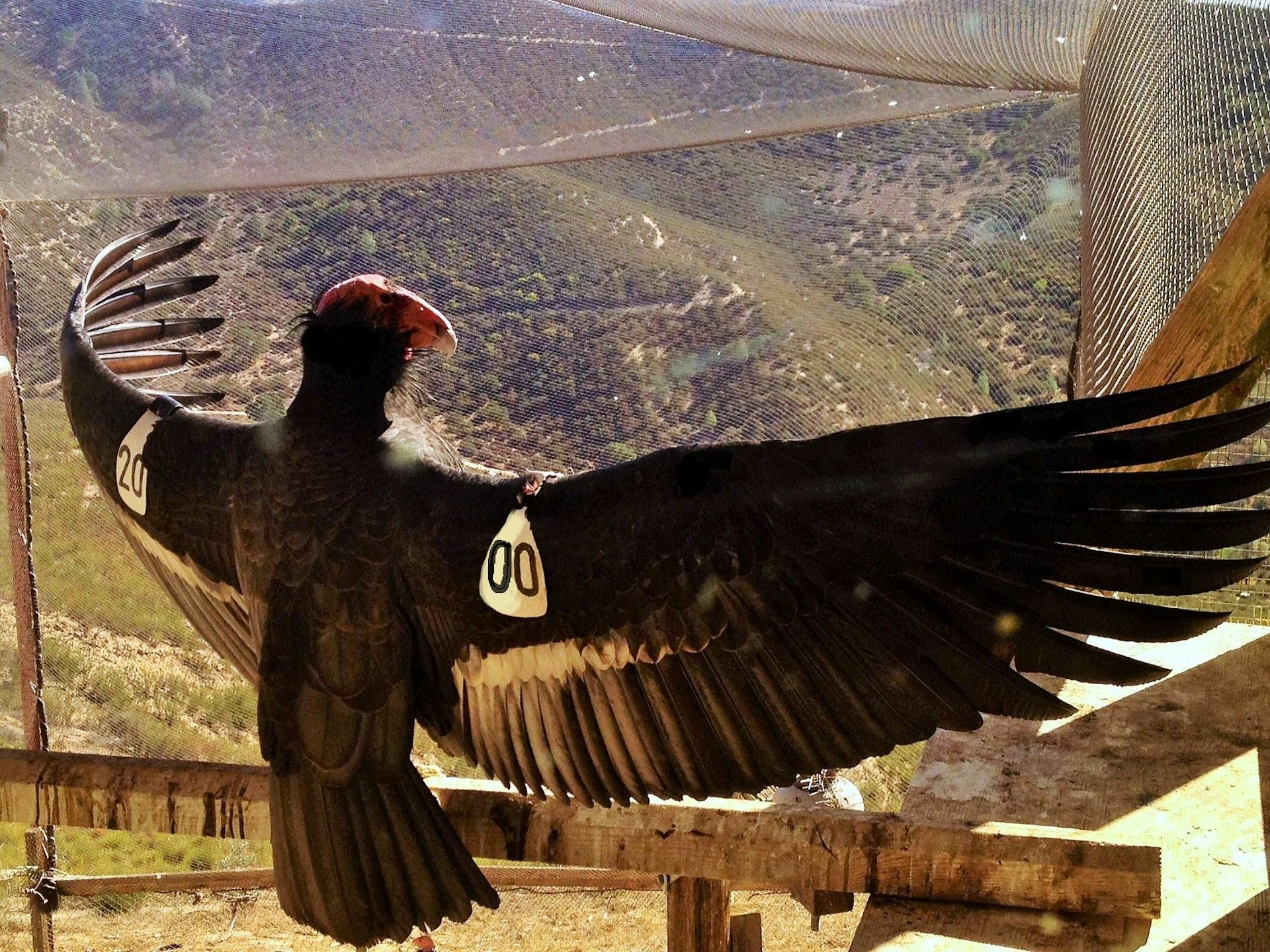
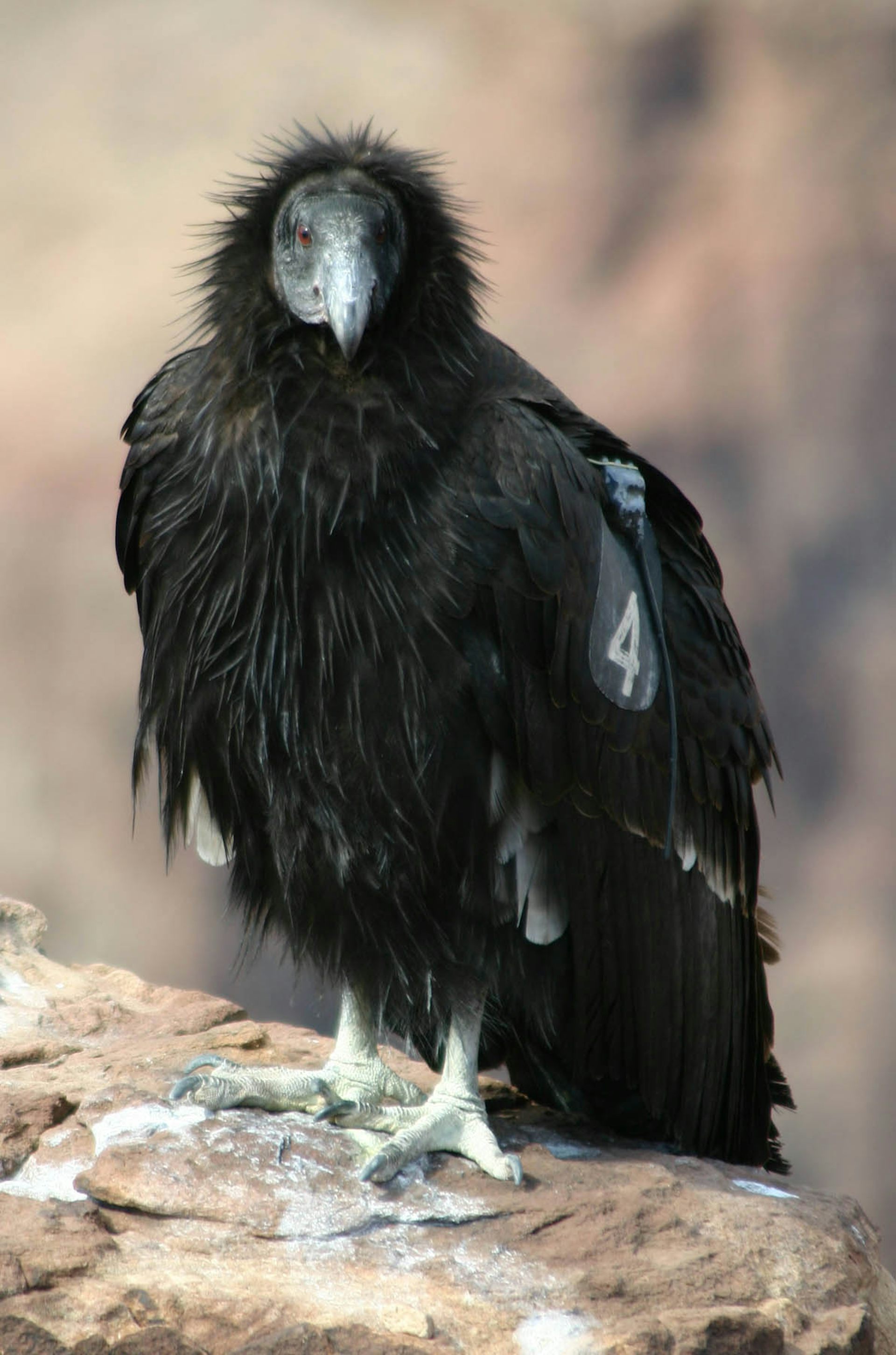
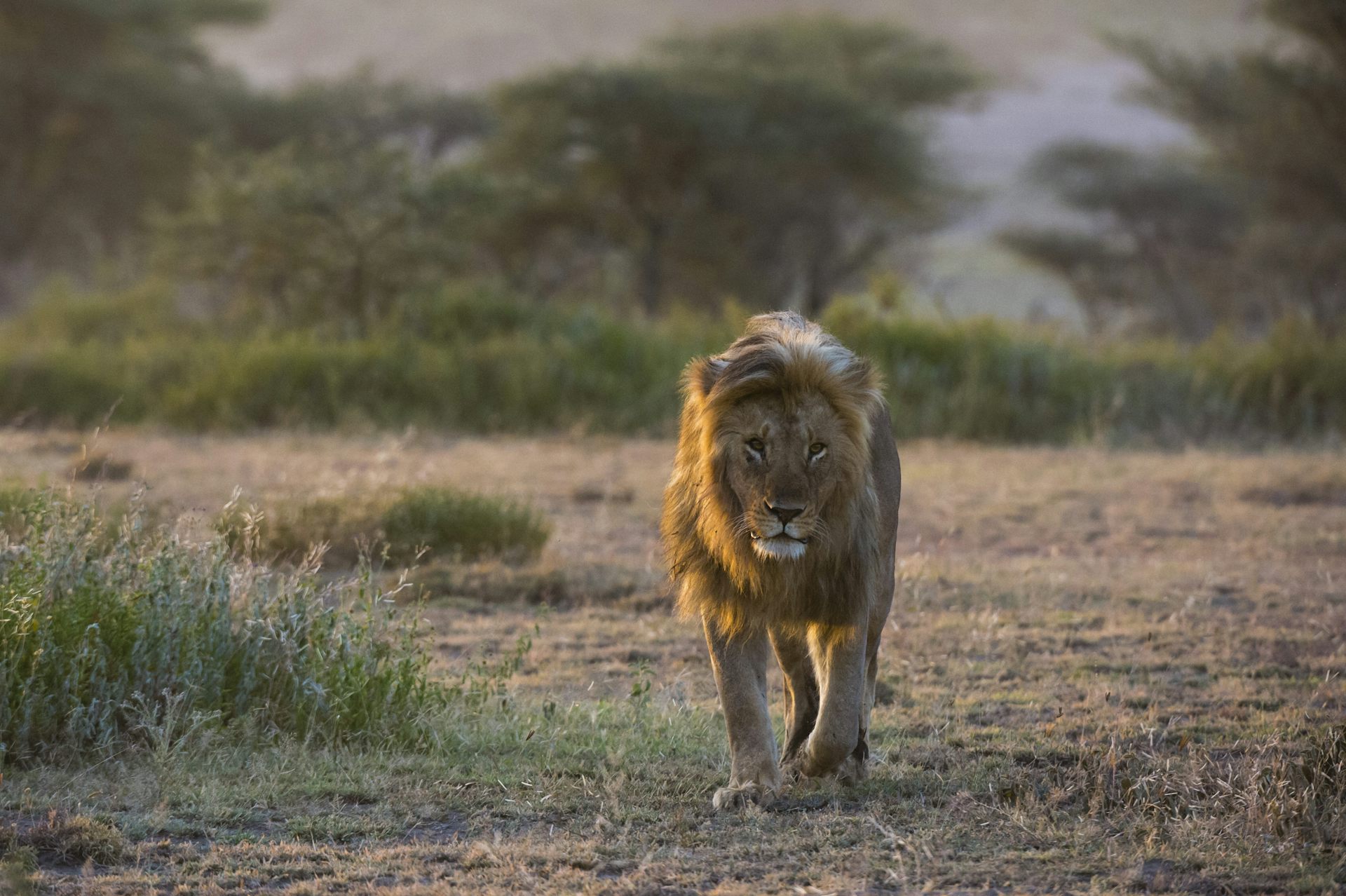

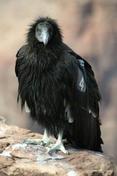

In 1987, biologists captured the last free-flying condor to transfer it to captivity, and the largest flying North American bird species was officially declared extinct in the wild. Today, after decades of coordinated efforts and millions of dollars spent on captive breeding and reintroduction efforts, more than 300 condors have been restored to their natural environment.
It was a victory for the species’ survival, yet this triumph was contested at nearly every step of the way.
Conservationists fought bitterly over whether trapping every bird should be considered rescue or surrender. Critics argued that the cost was better spent on other threatened species. Rural communities in Utah and Arizona raised concerns about federal land-use restrictions. Hunting groups such as the National Rifle Association opposed bans on lead ammunition, a leading cause of condor deaths.
The condor’s comeback illustrates several questions that governments and conservation organizations grapple with today, including which species get funded and who bears the costs.
These are some of the questions being discussed at the U.N. Convention on Biological Diversity conference, being held Oct. 19-30, 2026, in Yerevan, Armenia.
In 2022, countries worldwide adopted an agreement at that year’s biodiversity conference to halt and reverse biodiversity loss, known as the Kunming-Montreal Global Biodiversity Framework. It includes goals to raise US$200 billion a year from public and private sources around the world by 2030 to conserve and manage at least 30% of the world’s land, coastal areas and oceans, stop human-caused extinctions and help struggling species survive.
The agreement itself doesn’t choose which species to save, but its rules are designed to shape national conservation priorities and guide the funds that pay for conservation.
Saving a species like the condor affects local communities and businesses whose activities have put those species at risk. Without local buy-in, pouring money into recovery efforts can fail, yet local communities are often left out of the discussions.
An estimated 1 million species are currently threatened with extinction worldwide, and early assessments suggest the world is falling short on most of the agreement’s global biodiversity targets.
Because resources are limited, conservationists must weigh trade-offs in deciding which species to protect and how. Should they fund expensive rescue efforts for a species close to extinction, or interventions likely to help multiple species at once? Or maybe they should protect organisms that are unique to a specific geographic region or a species that sustains local livelihoods.
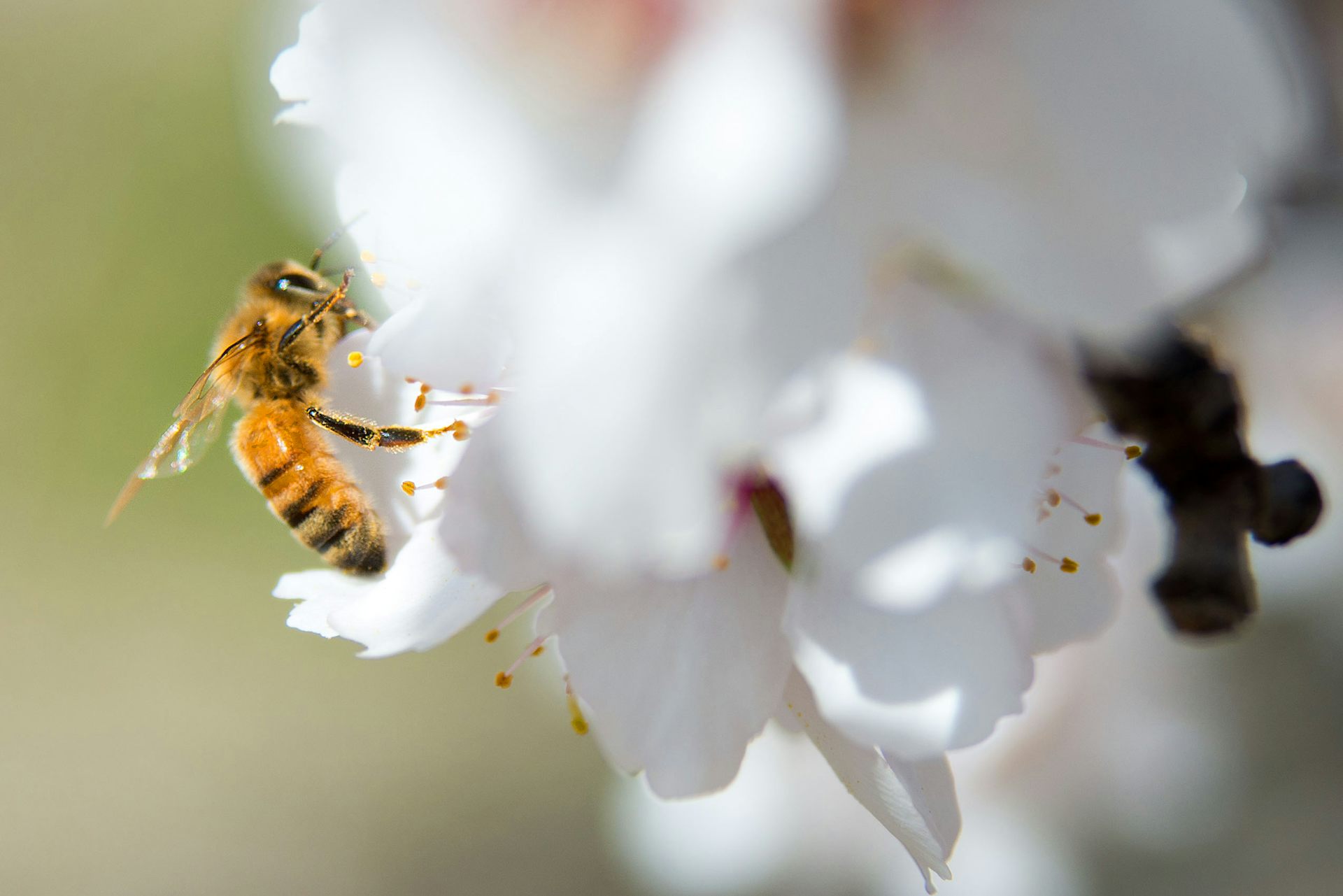
Some species are valued for what they do for humanity, such as pollinating crops or purifying water, known as ecosystem services. Honeybees, for example, pollinate over $15 billion worth of crops in the U.S. alone each year. Others hold cultural and spiritual significance, as the condor does for the Yurok Tribe in California. Many conservationists argue that living species possess an inherent right to exist independent of their usefulness to human beings.
Getting support for measures to save charismatic species can be easier than for others, however. Think of Greenpeace’s “save the whales” campaign or the World Wildlife Fund’s panda logo. A panda’s adorable face can help pay for its protection and potentially the protection of its surrounding habitat, helping other species living there.
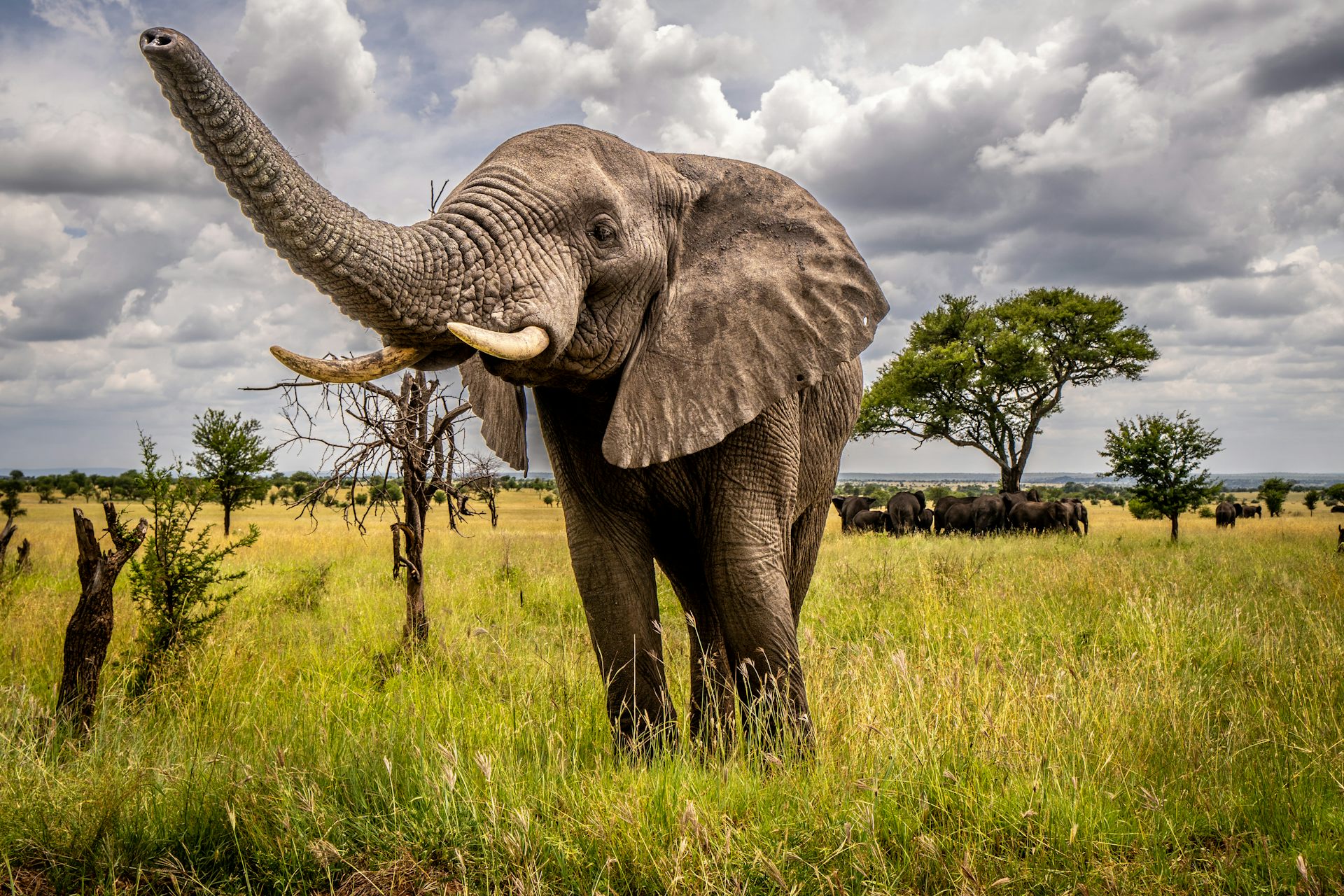
A 2025 study examined more than 14,000 species-focused conservation projects from 1992 to 2016. Five mammal groups – primates, carnivores, whales, elephants and rhinos – received 86% of available funding, despite accounting for only one-third of threatened mammal projects. Plants and invertebrates, which are crucial for pollination, nutrient cycling and sustaining food webs, received only 6.6% of the financial backing.
Conservation groups and economists at the Paulson Institute estimate that the world needs to spend an additional $1.3 trillion annually on biodiversity conservation and restoration to stop and reverse biodiversity loss.
At the 2026 biodiversity conference, delegates will also take up another question that can make or break species recovery: When conservation affects local people, who pays and who gets a say?
While conservationists celebrated efforts to return wolves to Europe over the past two decades, some farmers lost livestock to these predators and faced higher costs to protect their flocks. Current European Union funding programs help support livestock protection, but farmers’ ability to shape wolf recovery is part of the story too.
Conservation can go terribly wrong if local communities aren’t consulted during planning. In the Ngorongoro Conservation Area, a protected area in Tanzania, the Maasai have fought for years against government orders that they leave the land they have lived on for generations in the name of lion conservation. In March 2026, two presidential commissions recommended that the evictions continue in order to protect wildlife, in a process that included few Maasai, Indigenous peoples’ advocates at the Oakland Institute reported.
Protecting vulnerable species often means also supporting the communities living alongside them. At the last round of biodiversity talks in 2024, countries created a permanent advisory body to bring Indigenous peoples and local communities’ knowledge and decisions into the treaty’s decisions.
At this year’s conference, known as COP17, they must agree on how that advisory body will operate, including whether these communities get a formal role in decision-making. They are also expected to adopt guidelines for how the 30% global conservation targets apply in Indigenous territories.
The international agreement can’t dictate what happens on the ground, but its rules shape national conservation priorities and guide the funds that pay for conservation. That is why the debate over local consultation is at the heart of the 2026 talks. Conservation that is designed for people, rather than with them, risks losing the trust and local cooperation that makes recovery last.
Two key issues at the conference involve guaranteeing that Indigenous peoples and local communities have a say in decisions on their territory, including how conservation programs are designed and how resources are allocated.
The global biodiversity framework calls for a “whole-of-society” approach, recognizing that protecting nature needs more than government action alone. But participation is not the same as decision-making power.
Advocates for Indigenous groups say communities are too often consulted after priorities are set, rather than being involved in setting them. Whether the farmer paying for fencing or the Indigenous community with connections to a species helps set priorities or is only asked for input after the project has been approved shows whether consultation is genuine or not.
The condor’s return shows that nearly extinct species can recover with help. But sustaining a species’ recovery requires protecting the conditions – and supporting the people – that make their survival possible.
Researcher Garrett Ordonez, an environmental studies and international relations student at USC, contributed to this article.
This article is republished from The Conversation, a nonprofit, independent news organization bringing you facts and trustworthy analysis to help you make sense of our complex world. It was written by: Shannon Gibson, USC Dornsife College of Letters, Arts and Sciences and David Ginsburg
Read more:
Don’t just plant trees, plant forests to restore biodiversity for the future
For centuries, bird migration was a mystery – a tech revolution is changing that, and could help save these amazing creatures
Lion tracks from the ice age: how two ways of seeing brought ancient animals to life
The authors do not work for, consult, own shares in or receive funding from any company or organization that would benefit from this article, and have disclosed no relevant affiliations beyond their academic appointment.







Comments