Shifting the cleanup cost of packaging waste to companies could encourage greener packaging – but only if states are aligned
Published in Science & Technology News
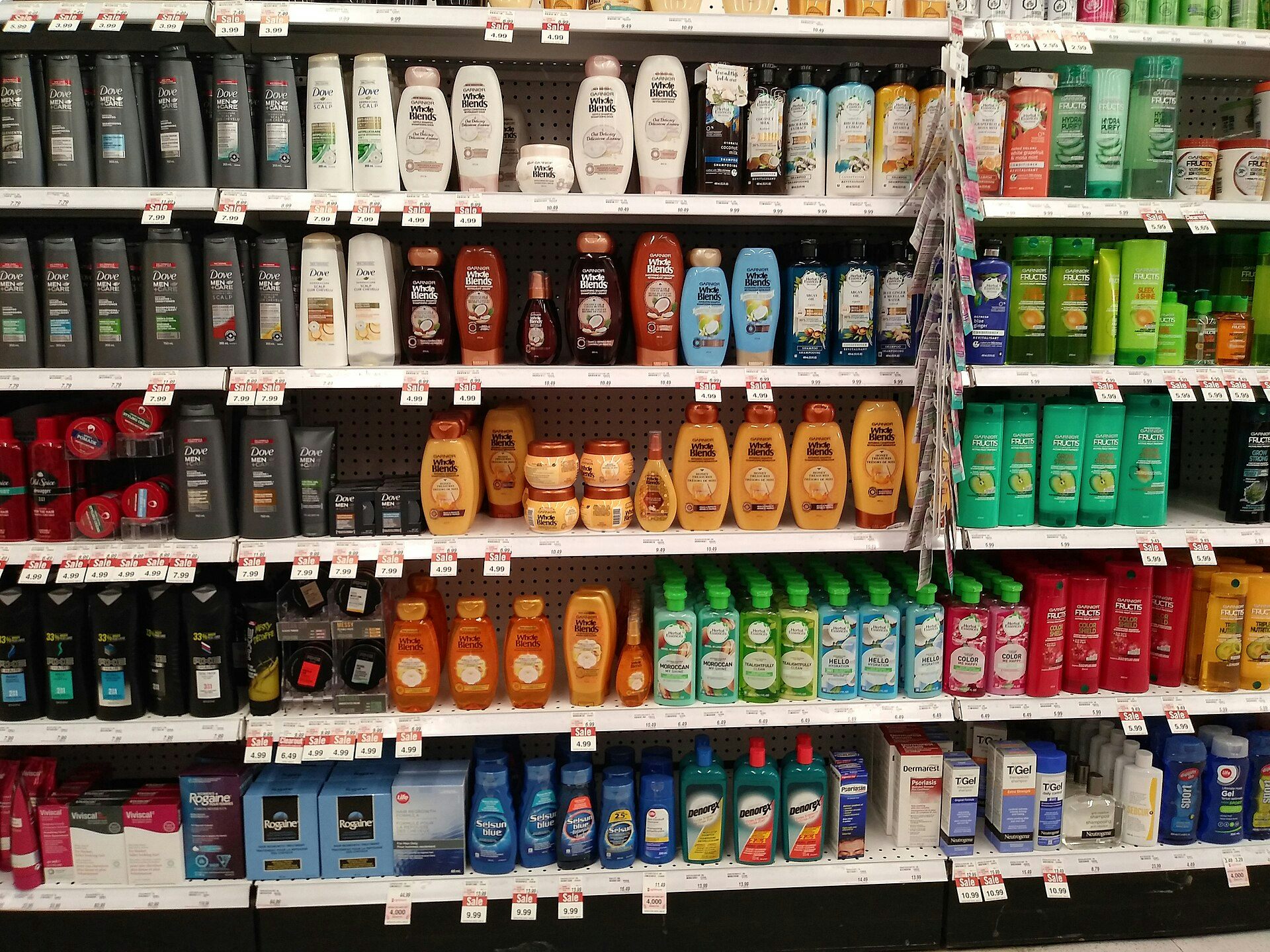
Standing in your local retail store, it can be mind-boggling to try to weigh the pros and cons of all the packaging options. Take shampoo, for example. Shampoo can come in a rigid plastic bottle, a flexible squeeze tube, a refillable metal canister or a solid bar in a paperboard box.
Trying to make environmentally friendly or socially conscious purchasing decisions can be a challenge, as product packaging can feature various sustainability claims. You might see a product listed as any of the following: recyclable, compostable, refillable, made with recycled content or bio-based materials, carbon or plastic neutral, cruelty free, fair trade, promoting responsible forest management, or a myriad of other labels.
Disposing of the empty packaging poses a similar challenge. Which materials are recyclable, compostable or trash is generally determined at the local municipal level, based on what packaging items regional recycling and compost markets will accept.
As an environmental policy researcher, however, I’ve seen the potential in a policy approach gaining traction for packaging in the United States: extended producer responsibility, or EPR. This approach could radically change what packaging companies choose to use and what happens to that packaging after you throw it out.
Extended producer responsibility policies are based on the “polluter pays” principle, which reasons that the parties responsible for generating pollution should bear the cost of managing it. As the name implies, EPR extends responsibility to producers.
Determining exactly who counts as the producer and what type of responsibility is extended, however, depends on the particular law. Generally speaking, these policies aim to hold big companies such as General Mills or PepsiCo liable for what happens to the cereal boxes, chip bags and soda cans their products are packaged in.
By requiring these brand owners to fund – and in some cases operate – recycling systems, EPR shifts the burden of waste management off local taxpayers. As producers incorporate these costs, the assumption is that they will redesign their packaging in ways that reduce their overall environmental impact.
First implemented in Europe in the early 1990s, this policy approach has gained considerable global traction. Over 400 mandatory EPR laws covering various products, including packaging, cars, electronics, batteries, textiles and more, have been adopted in various countries.
Producers generally pay fees to a producer responsibility organization, based on the amount and type of packaging material they sell. This organization then uses the money to pay for the collection and processing of packaging materials for recycling.
These programs have improved recycling rates. But they have been less successful at encouraging packaging design improvements.
As EPR policies evolve, policymakers are experimenting with new approaches that encourage producers to make sustainable packaging design changes. For example, one new policy mechanism – eco-modulation – adjusts producers’ fees up and down based on certain design considerations. With eco-modulation, producers that incorporate recycled material into their packaging may pay less in fees. On the other hand, producers that use difficult-to-remove labels that make their packaging hard to recycle may face higher fees.
Unlike the EPR policies in Europe that are enacted at the national level and guided by European Union-wide regulation, EPR in the United States is emerging at the state level.
Since 2021, seven U.S. states have passed extended producer responsibility laws to hold companies accountable for the boxes, bottles, jugs, jars and cans their products come in. Over a dozen additional states are considering EPR policies but haven’t yet passed laws.
The fragmented landscape of packaging regulations across the U.S. has sparked calls to standardize policies to make it easier for companies to comply and increase overall effectiveness.
I recently conducted a survey of waste policy experts, including researchers, government officials, producer responsibility organizations, consultants and civil society actors. These experts spoke directly to why these policies are so fragmented. The experts said that EPR policies should shift packaging waste management costs to producers. But they had differing views on the overall goals of the policies, how to measure program success and how to structure fees.
For example, some experts saw EPR as a tool for funding improvements to local recycling systems. Others stressed that simply shifting the recycling costs to producers is not enough. They argued that these policies must also reduce the producers’ environmental impacts.
The survey participants also prioritized different packaging design changes. For example, some participants said EPR policies should focus on litter reduction, such as encouraging producers to use nondetachable bottle caps. Others wanted to see more focus on reusable packaging or the adoption of bio-based or compostable packaging.
Without clear agreement on what makes packaging truly sustainable, regulations often rely on goals, such as requiring 100% of packaging be recyclable or compostable. However, these material attributes do not always reduce environmental impacts.
As states adopt policies with conflicting goals and design standards, the emerging patchwork of laws creates an impossible blueprint for companies looking to redesign their packaging. For example, switching to a compostable bottle may be rewarded in one state and penalized in another.
Even without a national EPR policy, more consistent goals, targets and design incentives across states could help policymakers better unlock the full potential of these laws. Under the current policies, large multinational companies are likely to treat compliance fees as just a cost of doing business. Coordinating the rules would send a clearer signal to producers to design greener packaging.
This article is republished from The Conversation, a nonprofit, independent news organization bringing you facts and trustworthy analysis to help you make sense of our complex world. It was written by: Erin Victor, University of Maine
Read more:
Packaging generates a lot of waste – now Maine and Oregon want manufacturers to foot the bill for getting rid of it
US has its first national strategy to reduce plastic pollution − here are 3 strong points and a key issue to watch
As more developing countries reject plastic waste exports, wealthy nations seek solutions at home
Erin Victor received funding from the National Science Foundation that helped support the research discussed in this article.







Comments