Many of the Caribbean’s most important reefs are going unprotected
Published in Science & Technology News
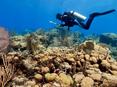
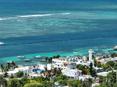
Living by the sea in the tropics means being exposed to some of nature’s most powerful forces. Hurricanes can bring storm surges, flooding and destructive waves that threaten homes, infrastructure and livelihoods.
For many communities, coral reefs are a natural first line of defense against these storms. The reefs’ rugged structures break the incoming waves, reducing the waves’ energy by as much as 97%. Globally, reefs prevent about US$4 billion a year in storm damage. Without them, studies suggest, the damage would double.
Yet, these vital ecosystems are under increasing pressure. Rising ocean temperatures, pollution and coastal development are driving the loss of reef-building corals – the species that create the physical structure of coral reefs and underpin their ability to protect coastlines and provide habitat for marine life.
Protecting key coral reefs from these human-caused stresses could help the reefs continue to reduce future storm damage.
But which reefs should be prioritized?
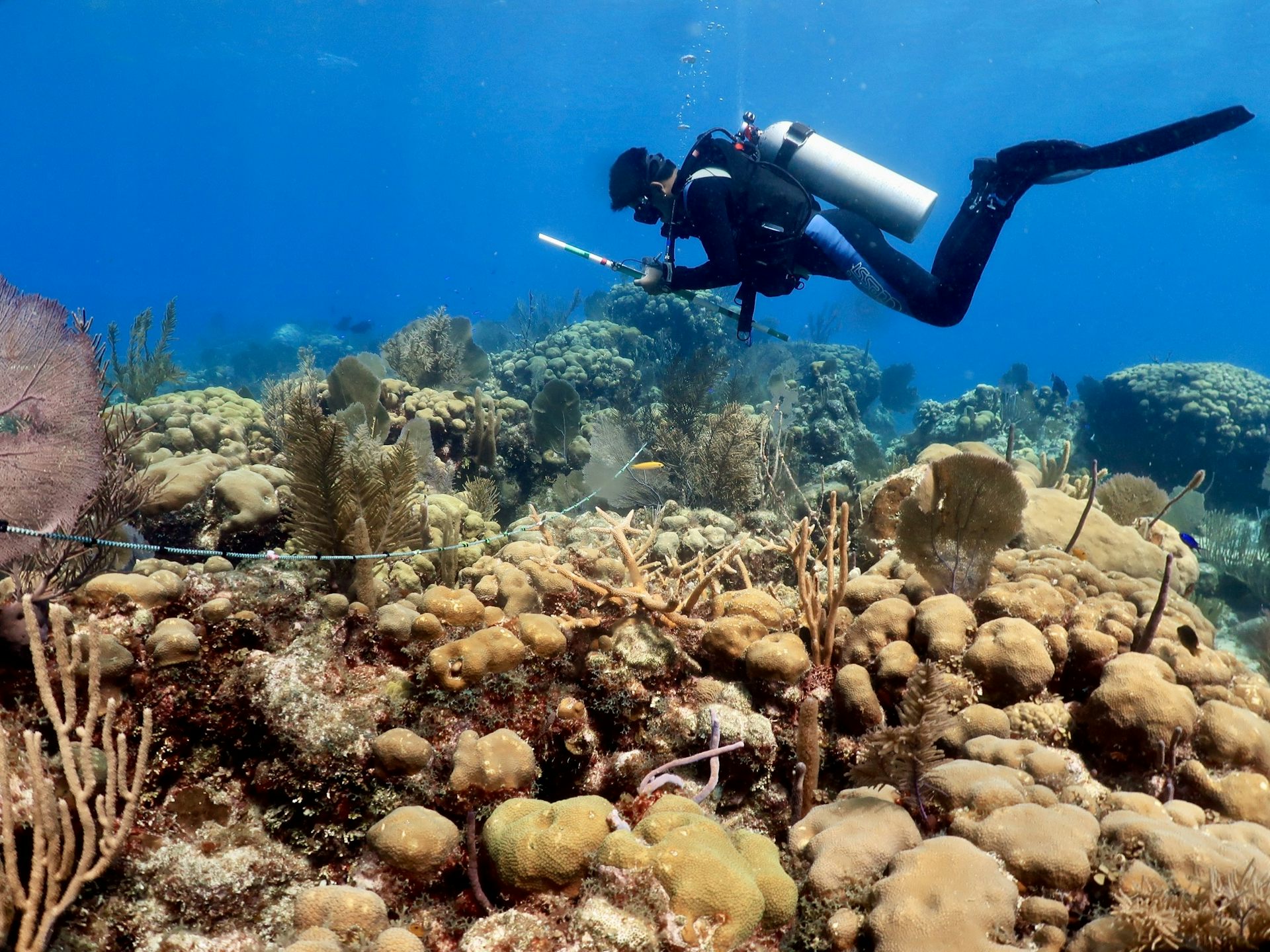
We study coral reefs and marine environments. In a new research paper, we examined the likely impact that future warming will have on reefs across the Caribbean over the coming decades, including which reefs are most likely to persist under rising temperatures. Then we looked at which reefs were likely providing the greatest protective benefits for coastlines based on their functional characteristics.
The results show that about half of all the reefs with the greatest potential to continue to protect coastlines as the oceans warm are currently unprotected from human harms.
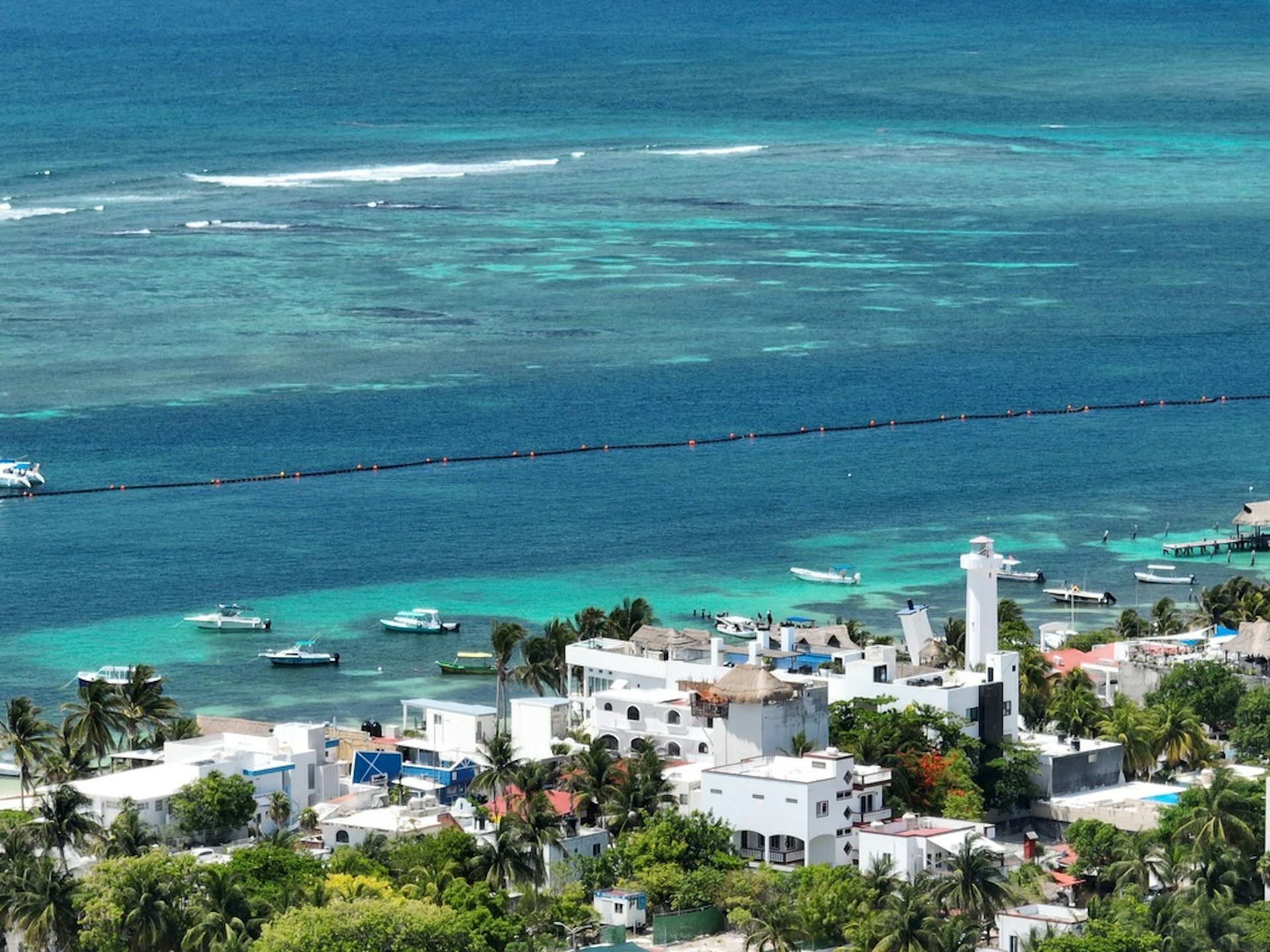
The value of coral reefs is evident along the Mexican Caribbean coast, where tourism is a major economic driver and the main source of income for local communities. The tourism industry there can generate up to $15 billion in a single year. Much of that value depends directly or indirectly on healthy coral reefs.
Losing the reefs would not only affect fish that rely on coral structures for habitat, and the livelihoods of people who depend on them, it would also cost millions of dollars in increased storm damage. An estimated 105,800 people, along with buildings and other infrastructure worth $858 million, are located in coastal areas protected by reefs in the Mexican Caribbean alone.
The role of reefs becomes especially clear during extreme events.
In 2005, Hurricane Wilma, a Category 5 storm, struck the coast of Quintana Roo in the Yucatán Peninsula, Mexico. Near the small town of Puerto Morelos, the coral reefs broke the waves, helping lower the wave height that had reached nearly 36 feet (11 meters) offshore to less than 6 feet (2 meters) near the coast. The reefs near Puerto Morelos are part of a protected national park where public access to the reefs is heavily regulated.
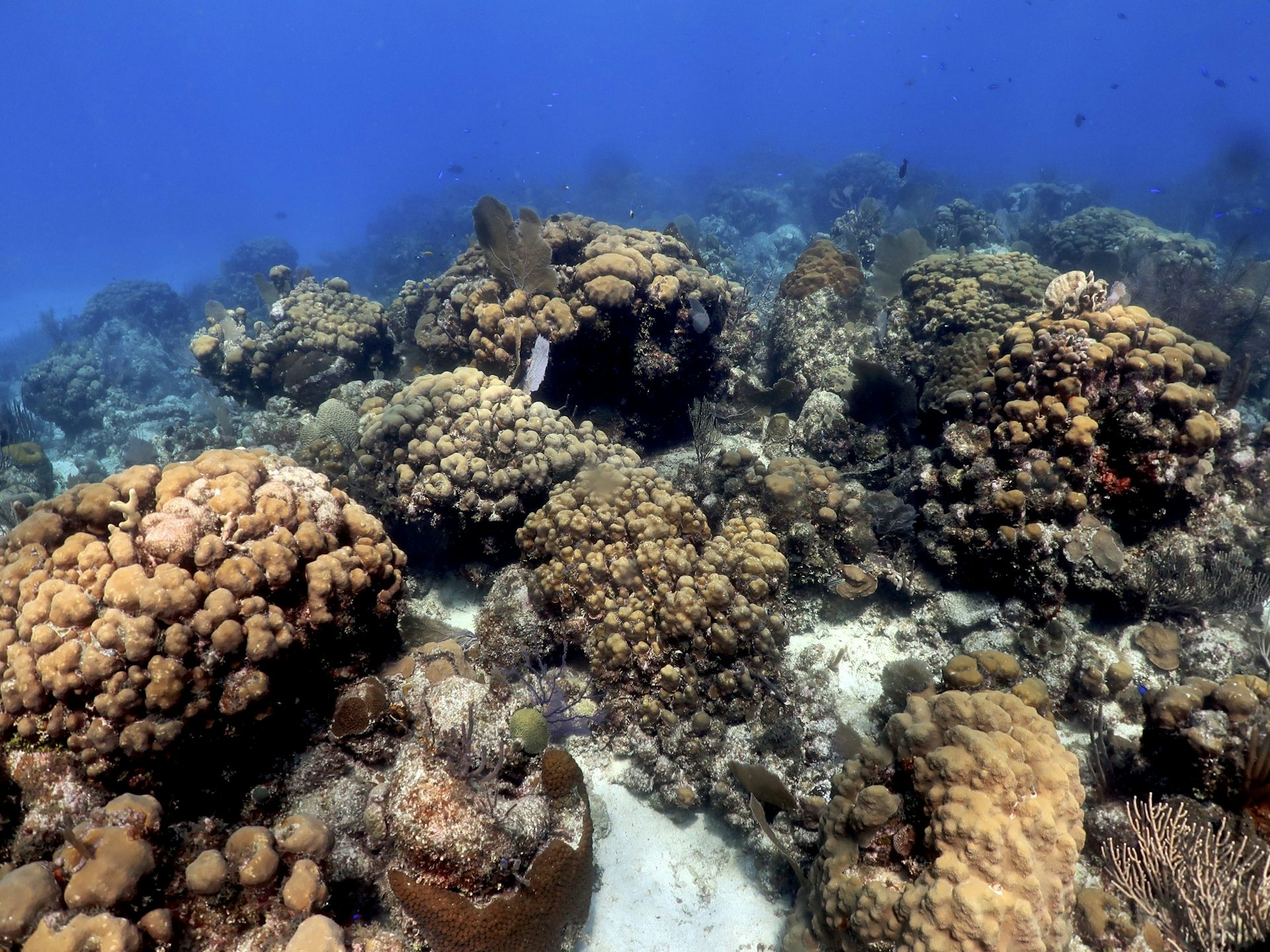
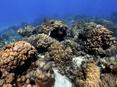
However, not all reefs provide the same level of protection for coastlines. Our research shows that the differences depend on the reef engineers – the coral species that built the reef.
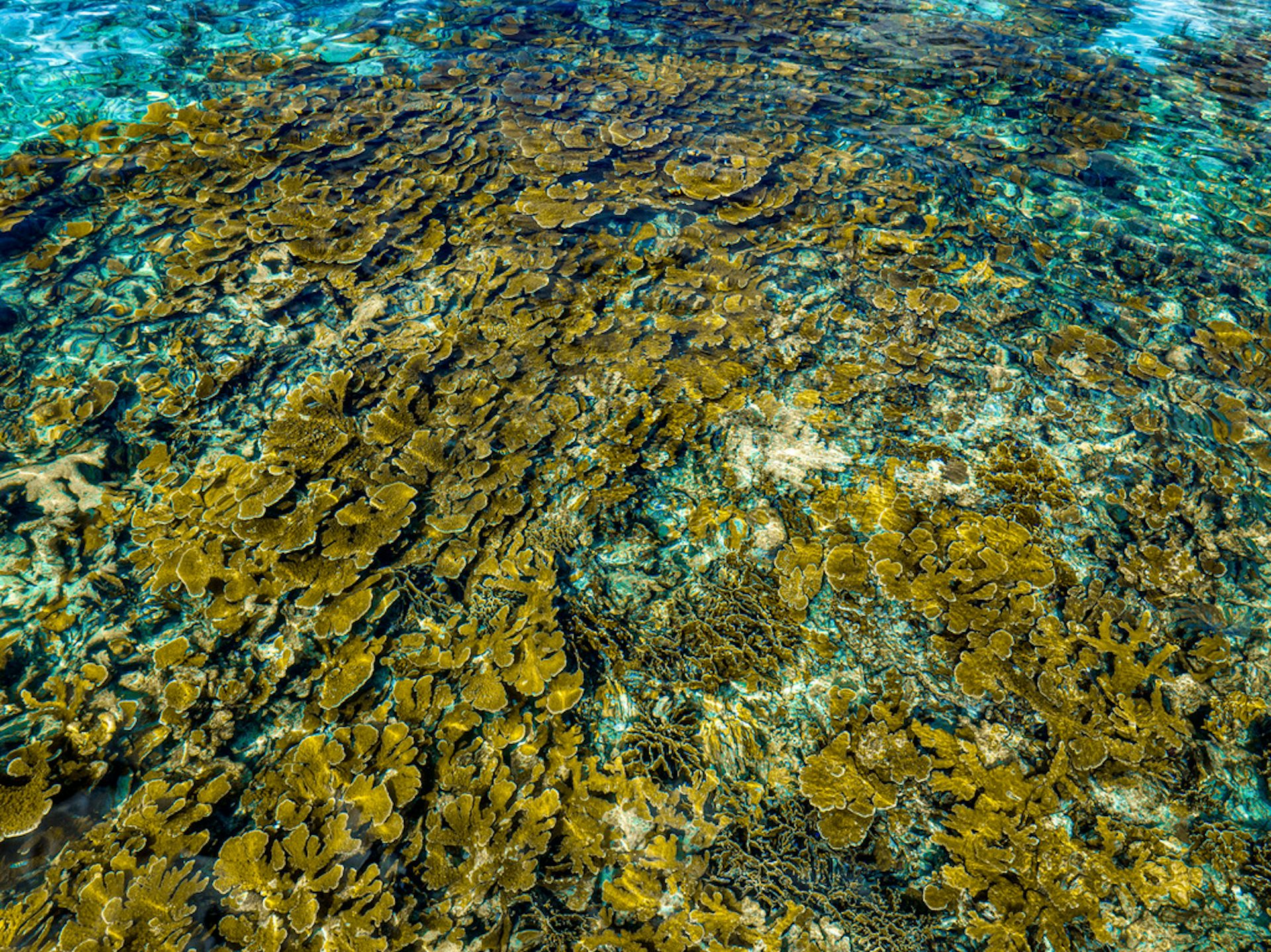
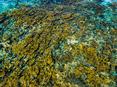
Reefs dominated by large, complex and rigid corals, such as thickets of elkhorn corals, create rough, elevated structures that can break and slow incoming waves, providing the greatest protection. In contrast, reefs made up of smaller or flatter species offer less resistance.
Knowing which reefs deliver the greatest structural protection can help countries and communities prioritize protecting them from human pressures, such as pollution and ship traffic.
We found that of the highest-priority reefs – based both on functionality and how well they are expected to survive rising water temperatures by midcentury – only 54% were protected. In the Caribbean’s western, southwestern and Florida ecoregions, priority reefs were most likely to be in formal marine protected areas, while the Greater Antilles and Bahamas had several unprotected reefs.
The Bahamas, Puerto Rico, Turks and Caicos, and Cuba have many high-value reefs that remain unprotected, meaning there are opportunities to increase protection on these important reefs. The reefs that we identified as important for conservation based on their physical functionality have also been reported to support high levels of biological diversity.
While a large percentage of coral reefs off Belize, Honduras and Puerto Rico are protected, we found that several reefs with the greatest potential for protecting coastlines were not within marine protected areas.
Ocean warming is driving more severe and frequent coral bleaching events. When water temperatures rise too high, corals expel zooxanthellae – the algae that live in their tissues, provide them with energy and give corals their color. If heat stress is too intense or prolonged, many corals won’t recover.
As corals die, the reef structures they built break down and lose complexity over time. The coastal defenses they provide disappear.
At the same time, high-intensity hurricanes are becoming more frequent.
This creates a dangerous combination: stronger storms hitting coastlines that are less protected.
Protecting coral reefs is essential, not only for the sake of marine biodiversity, but for safeguarding coastal communities, their economies and the millions of people who live there.
This article is republished from The Conversation, a nonprofit, independent news organization bringing you facts and trustworthy analysis to help you make sense of our complex world. It was written by: Sara M. Melo Merino, Smithsonian Institution; Lorenzo Alvarez-Filip, Universidad Nacional Autónoma de México (UNAM), and Steven Canty, Smithsonian Institution
Read more:
2 iconic coral species are now functionally extinct off Florida, study finds – we witnessed the reef’s bleaching and devastation
Watching a coral reef die as climate change devastates one of the most pristine tropical island areas on Earth
The heroic effort to save Florida’s coral reef from extreme ocean heat as corals bleach across the Caribbean
Sara M. Melo Merino received a scholarship from Secretaría de Ciencia, Humanidades, Tecnología e Innovación (Secihti No. 246257).
Lorenzo Alvarez-Filip and Steven Canty do not work for, consult, own shares in or receive funding from any company or organization that would benefit from this article, and have disclosed no relevant affiliations beyond their academic appointment.







Comments