Gray whales are dying in San Francisco Bay at an alarming rate – this isn’t normal
Published in Science & Technology News
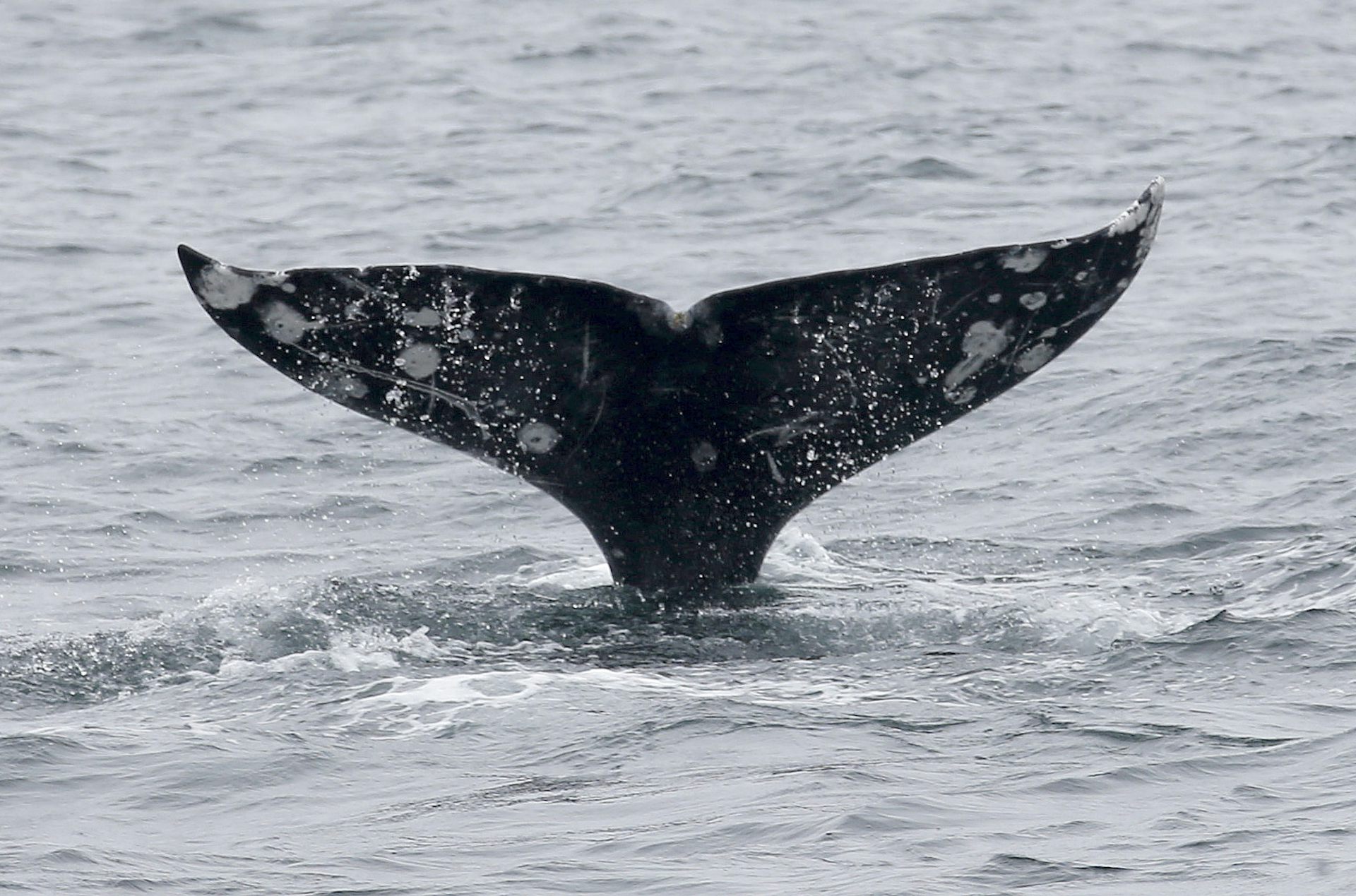
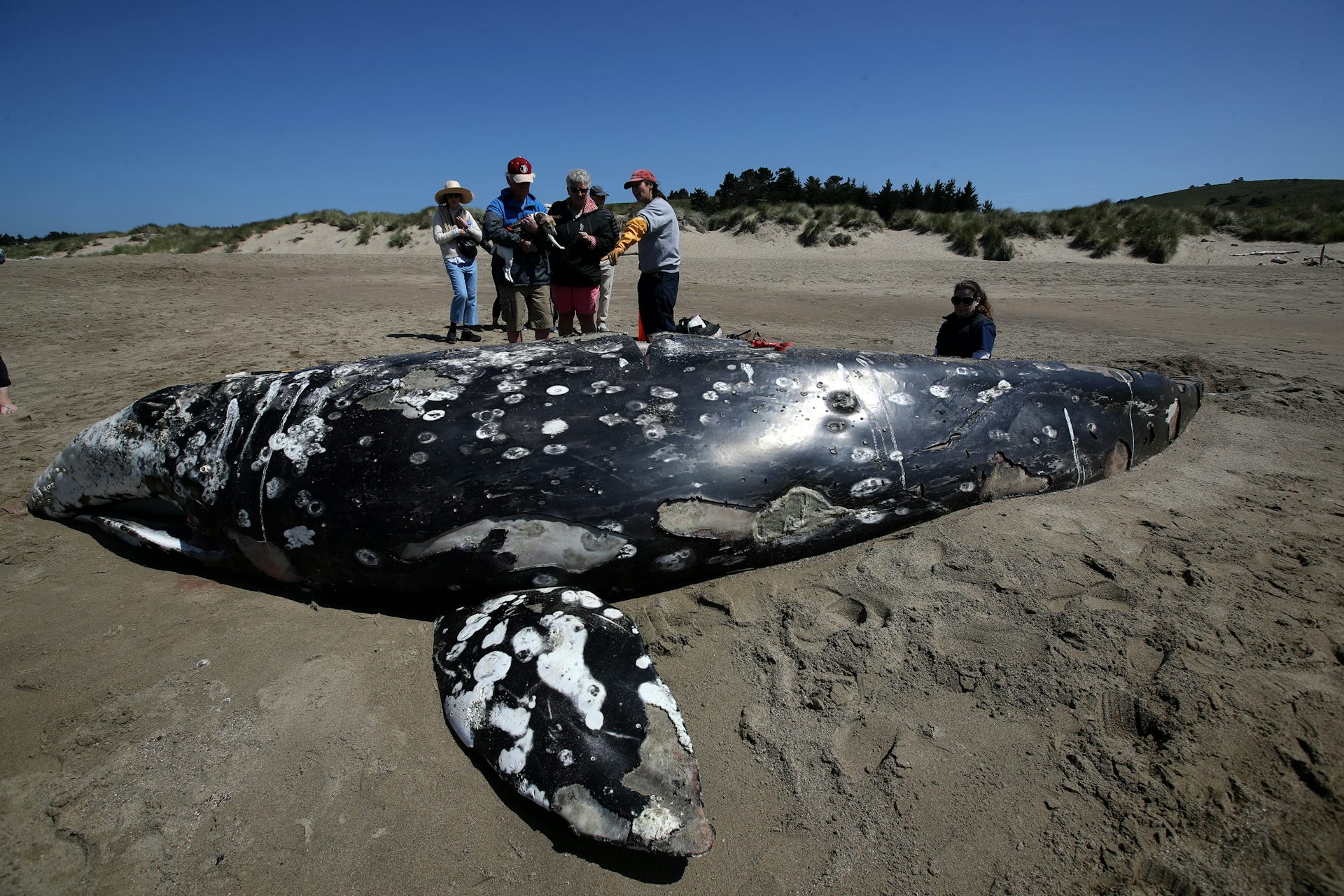
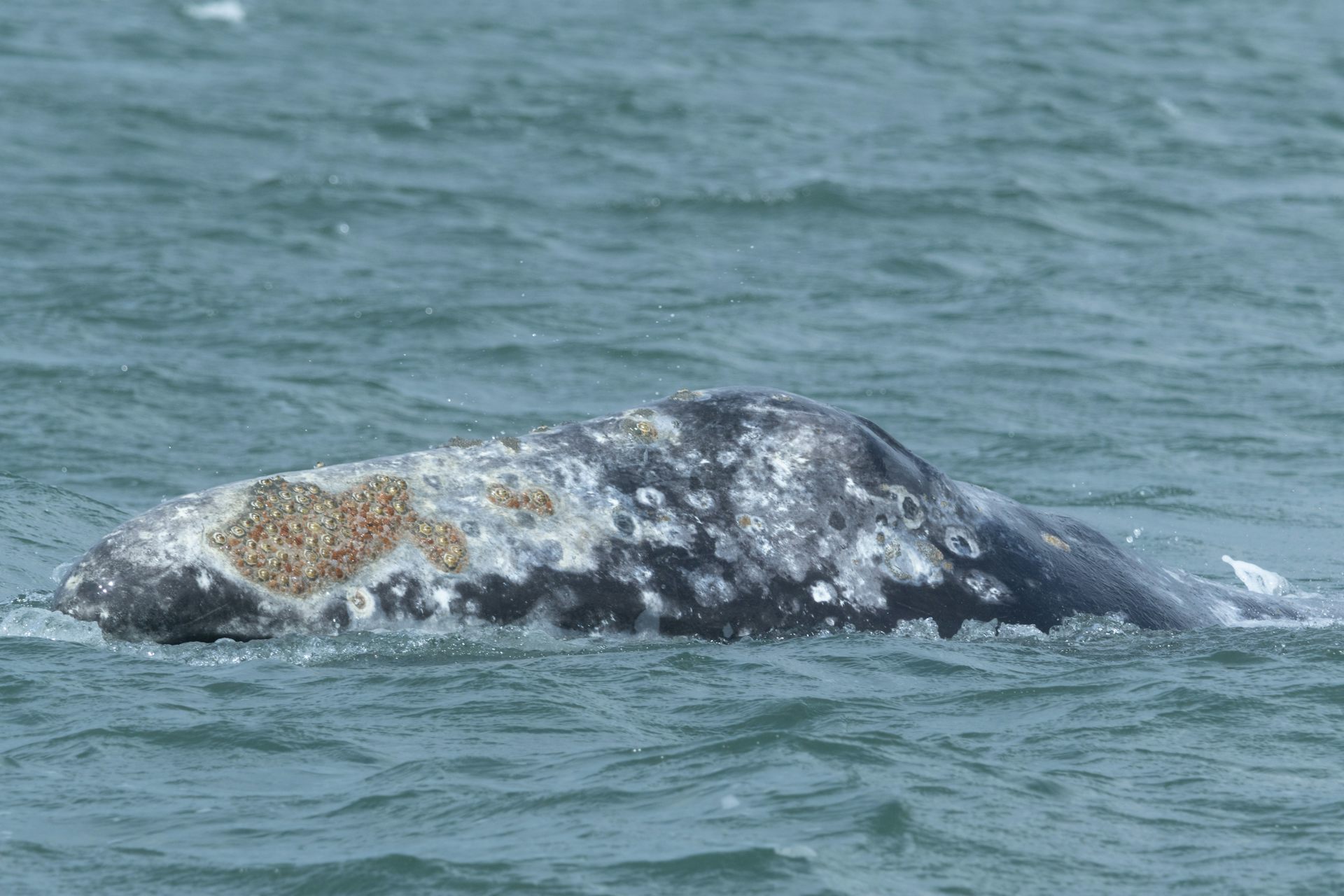
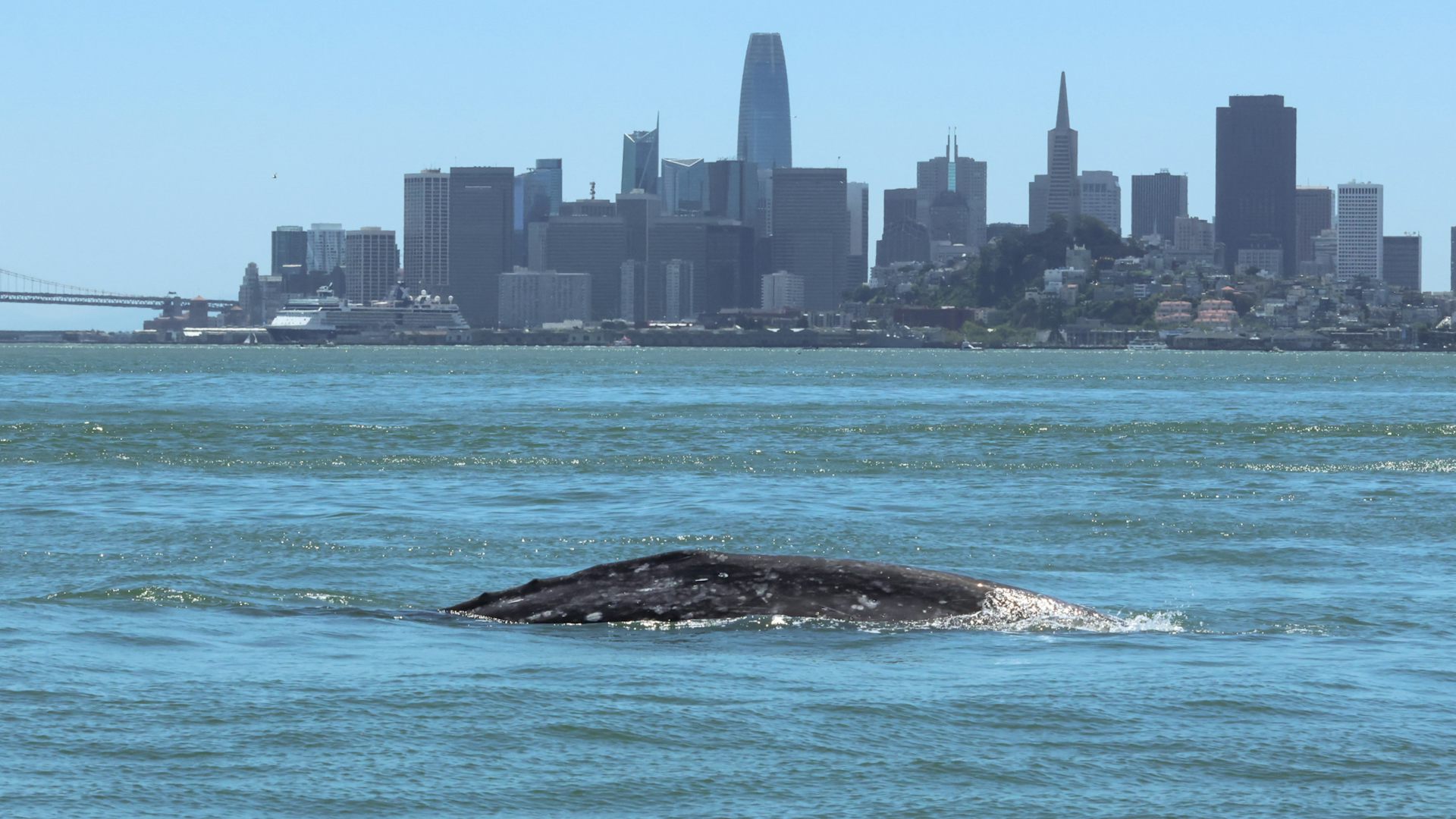
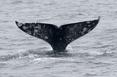
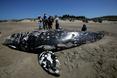
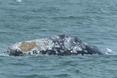
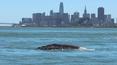
At least six gray whales have died in San Francisco Bay from mid-March to early April 2026. These deaths follow a pattern over the past few years, and they are raising concerns among marine biologists like us that 2026 is becoming another dangerous year for a struggling population.
The majority of eastern North Pacific gray whales migrate closely along the California coastline from their winter breeding grounds in Baja California, Mexico, to their summer foraging grounds in the Arctic.
These whales, which can grow to 90,000 pounds and over 40 feet in length, haven’t stopped over in San Francisco Bay consistently throughout history. When they have, it has coincided with years when their food supply in the Arctic was low.
Over the past few years, however, we have documented large numbers of gray whales in the waters of San Francisco Bay – and an alarmingly high mortality rate.
San Francisco Bay is a busy urban waterway, with high-speed ferries, cargo ships, commercial fishing vessels and recreational watercraft. That makes it a dangerous place for slow-moving whales.
To monitor the gray whales, we conducted research surveys and collected photographs from whale-watching naturalists and community members who spotted whales in the bay. Gray whales have unique mottling patterns and markings on their sides and tails, some of which they’re born with and others they have accumulated over time.
We found that from 2018 to 2025, 114 individual gray whales visited San Francisco Bay for varying lengths of time, but very few of these whales were repeat visitors from year to year. This may be due, in part, to the high mortality rate in the bay.
At least 18% of the whales that we documented alive in San Francisco Bay from 2018 to 2025 later died in the area, and evidence suggests the mortality rate is actually higher.
Of the 70 dead whales included in this study, 30 of them had evidence of trauma associated with being hit by ships, but many other whales that died there couldn’t be reached to be examined. We also documented several living whales with injuries caused by vessels. Those injuries have the potential to affect a whale’s ability to thrive.
Since 2016, the overall eastern North Pacific gray whale population has fallen by more than half, likely driven by the decline in the food the whales rely upon. Rising ocean temperatures and diminishing levels of sea ice are affecting both the quality and availability of the gray whales’ prey, which include crustaceans they scoop up as they dive along the seafloor.
When the eastern North Pacific gray whales suffered major die-offs in the past, including in the 1990s and early 2020s, the population rebounded. But the extremely low numbers of calves in recent years suggest the gray whales aren’t recovering as quickly this time, and that worries scientists.
Some subgroups of eastern North Pacific gray whales, including the Pacific coast feeding group and North Puget Sound whales, known as the Sounders, feed in alternative areas south of the Arctic. The Sounders capitalize on very specific prey – ghost shrimp – in Puget Sound. When food is more scarce in the Arctic, they stay longer there and are often joined by other whales from the general population. While some researchers initially believed the whales entering the bay were from these groups, we found that wasn’t the case.
Vessel strikes also aren’t unique to San Francisco Bay. Two gray whales were found dead on the Oregon coast in April 2026, both malnourished and one with evidence of a ship strike. A malnourished young gray whale also died after swimming about 20 miles up the Willapa River in Washington state, reflecting the struggle as this population of gray whales searches for food across their migratory range.
Other large whale species facing similar threats have been helped by management strategies, such as seasonal slow-speed zones during migration periods that go into effect when whales are present.
When vessels slow down to speeds of 10 knots or lower, studies show that can reduce the risk of vessel strikes by allowing more time for whales to get out of the way, or for captains to detect them and alter their course.
The National Oceanic and Atmospheric Administration has in recent years issued requests for ships to voluntarily reduce their speed to 10 knots in the Pacific Ocean off Monterey and San Francisco, but the limits haven’t been mandatory and typically haven’t started until May 1. The Port of Oakland also encourages shipping companies to keep their speed under 10 knots, but it’s also a recommendation, not a requirement.
More education to help boat operators learn how to avoid hitting whales, along with tools such as thermal cameras, could help reduce vessel strikes in San Francisco Bay.
As the population struggles to adapt to environmental changes, San Francisco Bay may look like an attractive feeding ground to nutritionally stressed or hungry whales. We hope our research and data from across the region will help marine resource managers and policymakers find ways to protect the whales that share this busy urban waterway.
This article is republished from The Conversation, a nonprofit, independent news organization bringing you facts and trustworthy analysis to help you make sense of our complex world. It was written by: Josie Slaathaug, Sonoma State University and Daniel Crocker, Sonoma State University
Read more:
Whales are recovering from near extinction, but industrial fishing around Antarctica competes for their sole food source
New maps show high‑risk zones for whale‑ship collisions − vessel speed limits and rerouting can reduce the toll
Surviving fishing gear entanglement isn’t enough for endangered right whales – females still don’t breed afterward
Primary funding for the study was provided by the National Science Foundation’s Graduate Research Fellowship Program, and secondary funding from California State University’s Council on Ocean Affairs, Science, and Technology. Necropsy fieldwork was supported by John H. Prescott Marine Mammal Rescue Assistance Grants. Survey fieldwork was supported through funding and resources obtained by The Marine Mammal Center.
Daniel Crocker receives funding from Office of Naval Research.







Comments