How to dress when visiting a theme part... with your kids
Published in Fashion Daily News
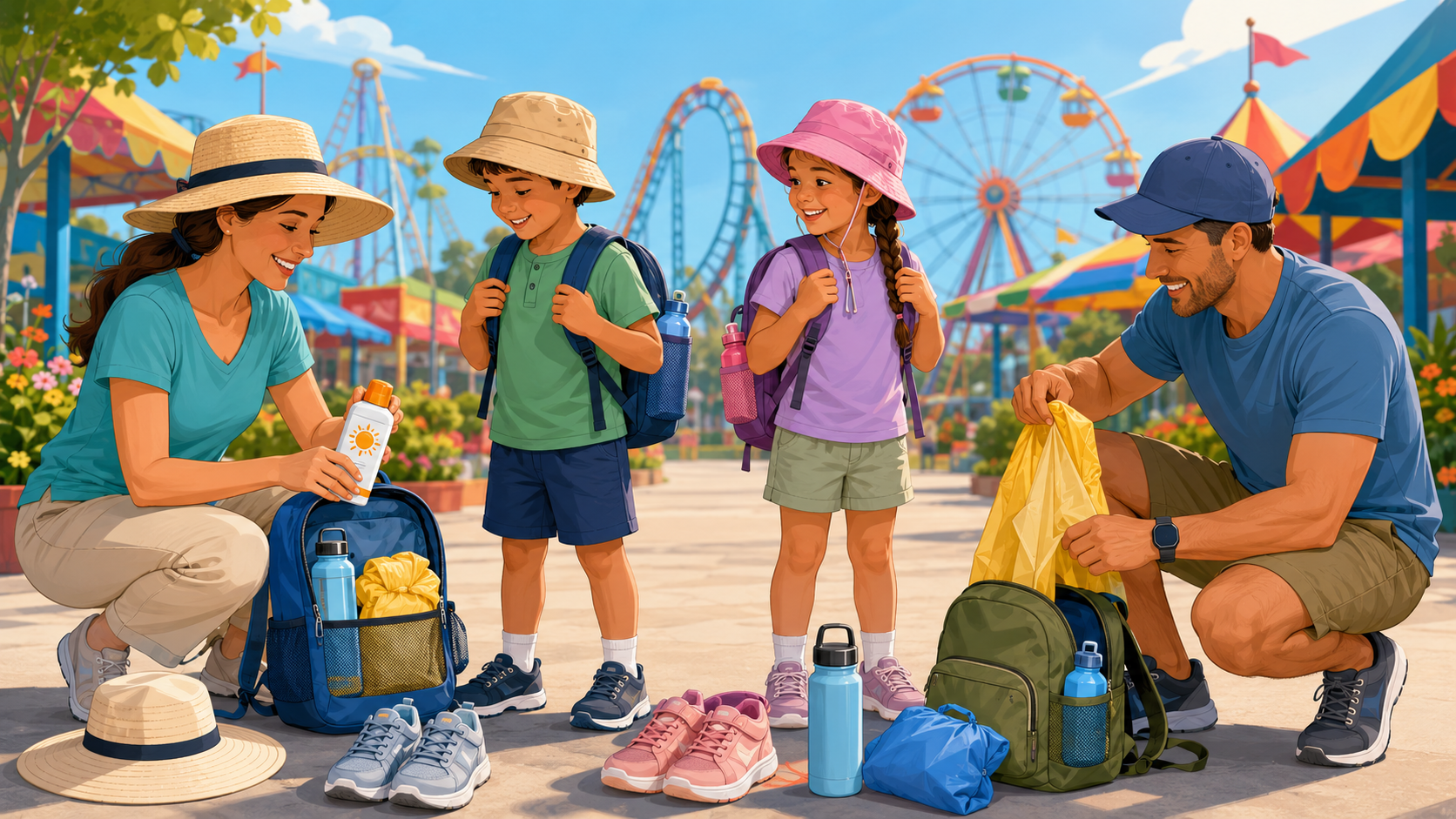
A day at a theme park with kids can be magical, exhausting and occasionally sticky. Between long walks, sudden weather changes, spilled snacks, water rides and the inevitable “Can we go on that again?” loop, what you wear can make the difference between a fun family outing and a day spent limping, overheating or digging through a bag for dry socks.
Dressing for a theme park is not about looking perfect. It is about staying comfortable, prepared and mobile while keeping up with children who may have twice your energy and half your sense of direction.
Here are practical tips for dressing when visiting a theme park with your kids.
Start with comfortable shoes
The most important part of any theme park outfit is footwear. You will walk more than you think, stand in long lines and possibly cross the same stretch of pavement several times because someone suddenly remembers they wanted a different ride.
Choose shoes that are already broken in. New sneakers, cute sandals or stiff slip-ons may seem fine in the morning, but they can turn into a bad decision by lunch. Supportive walking shoes, athletic sandals or well-cushioned sneakers are usually the safest choices.
Kids need the same consideration. Avoid brand-new shoes, flip-flops that fall off easily or anything that causes rubbing. If your child insists on wearing a favorite pair, make sure they can walk in them for hours.
Packing a few adhesive bandages or blister cushions is also smart. Even good shoes can cause trouble after a full day of pavement, heat and crowds.
Dress for the weather, then plan for surprises
Theme park days often start cool, heat up quickly and end with tired children shivering in the evening breeze. Check the forecast, but dress in layers when possible.
Lightweight clothing works well in warm weather. Breathable fabrics can help everyone stay cooler, especially when walking between rides. A light hoodie, flannel shirt or packable jacket can be useful if the day begins early or ends late.
Rain is another factor. A compact poncho or lightweight rain jacket can save money and frustration if storms roll in. Many parks sell rain gear, but prices are often higher inside the gates.
If water rides are part of the plan, consider quick-drying clothing. Denim shorts and heavy cotton shirts can stay damp for hours. Lightweight shorts, athletic fabrics and moisture-wicking shirts are more forgiving.
Choose practical clothes for kids
Children need clothes they can move in, spill on and manage during bathroom breaks. A theme park is not the best place for complicated outfits, hard-to-fasten buttons or clothing that drags on the ground.
For younger children, elastic waistbands are helpful. They make bathroom trips faster and reduce stress when time matters. For older kids, comfortable shorts, leggings, joggers or lightweight pants can work well.
Avoid costumes or dress-up outfits unless the park allows them and your child can wear them comfortably all day. Capes, scratchy seams, plastic accessories and heavy layers may be exciting at first but miserable after several hours.
Bright colors can be useful. A child in a vivid shirt is easier to spot in a crowd. Some families choose matching colors or themed shirts, not just for photos, but for quick identification.
Think about sun protection
A theme park day can mean hours of direct sun. Sunscreen is essential, but clothing can also help protect your family.
Hats with brims can shield faces and necks. Sunglasses can reduce glare, especially for children who are sensitive to bright light. Lightweight long-sleeved shirts can be useful for kids who burn easily.
Do not forget shoulders, ears, backs of necks and the tops of feet if anyone is wearing sandals. Reapply sunscreen throughout the day, especially after water rides or heavy sweating.
Parents may want a hat too. It is easy to focus on the kids and forget that adults are also spending the day under the same sun.
Keep accessories simple
Theme parks are not ideal for loose jewelry, oversized bags or accessories that can fall off on rides. Keep things simple and secure.
Small crossbody bags, belt bags or backpacks work well because they keep hands free. Parents often need both hands for snacks, stroller handles, tickets, phones and children who suddenly need help.
Avoid long necklaces, dangling earrings or anything that could catch on a ride restraint. Hair ties, clips or headbands are useful for long hair, especially in hot weather or on windy rides.
For kids, skip accessories they cannot keep track of. If a toy wand, hat or bracelet is likely to become a crisis when lost, think carefully before bringing it.
Pack backup clothes
Even older kids can have accidents, spills or water-ride mishaps. A small change of clothes can save the day.
For younger children, pack a full outfit, including socks and underwear. For older kids, a dry shirt or pair of socks may be enough. If space is limited, roll clothes tightly and place them in a resealable plastic bag. The same bag can later hold wet or dirty clothes.
Parents may also want an extra shirt, especially if traveling with babies or toddlers. Juice, ice cream and sunscreen have a way of finding adult clothing.
If you are not carrying a full bag all day, consider renting a locker for backup items, jackets or extra shoes.
Dress for bathrooms and ride seats
A theme park outfit should work when sitting, climbing in and out of rides, walking quickly and handling frequent bathroom stops.
Avoid clothing that is too tight, too short or difficult to adjust. Rompers and jumpsuits may look cute, but they can be inconvenient in crowded restrooms. Long skirts or wide-leg pants can be tricky on rides or escalators.
For kids, make sure clothing does not interfere with ride restraints. Loose scarves, long drawstrings and bulky costume pieces may need to be removed.
Comfort should guide the decision. A child who is constantly adjusting their clothes will be less patient in lines and more likely to melt down before the day is over.
Prepare for temperature changes indoors
Some indoor rides, restaurants and shows can be heavily air-conditioned. After a hot day outside or a water ride, those cool spaces can feel chilly.
A lightweight layer can help, especially for younger children. Even in summer, a thin sweatshirt or long-sleeved shirt can be useful.
This is also a good reason to avoid staying wet too long. If your child gets soaked, change them before sitting through a cold indoor show or a long meal.
Make the outfit photo-friendly but realistic
Families often want pictures from a theme park day, and there is nothing wrong with planning outfits that look good. The trick is choosing clothes that photograph well and still survive the day.
Coordinated colors can look nice without requiring everyone to match exactly. Comfortable themed shirts, bright tops or simple layers can create a pulled-together look.
But do not sacrifice comfort for the photo. The best family pictures usually come from happy, relaxed people, not from children who are itchy, hot or tired of wearing something they hate.
A good theme park outfit should let your family move, play, eat, laugh and get a little messy. Dress for the day you are actually going to have, not the perfect version you imagined.
With comfortable shoes, practical layers, sun protection and a backup plan, your family can spend less time worrying about clothing and more time enjoying the rides, snacks and memories.
========
Tessa Marlowe is a family travel and lifestyle writer who focuses on practical advice for busy parents. She writes about everyday planning, kid-friendly outings and making family adventures less stressful. This article was written, in part, utilizing AI tools.






Comments