Accelerating inflation is pinching Minnesota food shelves and their recipients
Published in News & Features
Since moving to Minneapolis from Louisiana in 2023, Jamal Green has graduated from a GED program and rented his own apartment for the first time.
Life’s better up north: an escape from the poverty and low wages Green experienced in Louisiana, he said. But he’s still dealing with less federal food assistance as food is quickly becoming more expensive.
“It’s hard to eat,” Green said. “Food can become a struggle, so this helps out a lot,” he added while grabbing bags of food weighing 25 pounds from Joyce Uptown Foodshelf on a recent Thursday.
Grocery prices in April and May grew at their fastest pace in almost three years, according to the latest Consumer Price Index. The Iran War is again fueling food inflation to near 3%, after a period of moderate stability.
This reacceleration is causing a “double whammy” for Minnesota food shelves, said Sophia Lenarz-Coy, executive director of the Food Group, which supplies many food shelves with food and technical assistance.
Minnesota food banks — experiencing record demand — were already feeling added pressure this year after the federal immigration crackdown discouraged immigrants from going to work and other businesses shuttered. Now, Lenarz-Coy said, it’s getting even more expensive to operate these facilities.
As a result, food shelves are getting pickier with the foods they are purchasing, trying to escape the disproportionate inflation on foods such as ground beef and taking advantage of gentler dairy prices than a year ago.
But the operational challenges go beyond food inflation.
Costly fuel, which food assistance recipients also widely cited as hurting their budgets, is making food delivery more expensive. Lenarz-Coy said the group spent some 20% more on fuel in May compared with January.
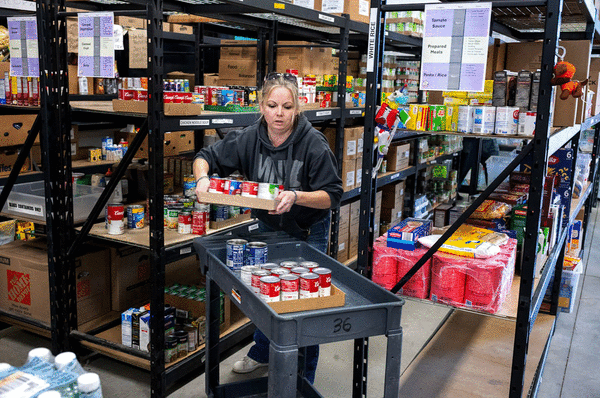
Plastic bags packed with groceries lined shelves inside of Joyce, a repurposed house that blends into its Uptown neighborhood. These bags must be strong: They carry $65 worth of canned goods, fresh vegetables and other grocery staples. On an average day, the food shelf goes through about 700 of them, said Matthew Ayres, Joyce’s executive director.
The price of these bags, made from petroleum, has doubled in the past year, Ayres said, and the cost to ship them has increased, too.
Meanwhile, with the price of ground beef and other proteins spiking, Joyce recipients are often limited to chicken drumsticks if they are looking for noncanned meat.
For people like Green, cuts to federal aid programs, such as food stamp funds issued under the Supplemental Nutrition Assistance Program (SNAP), have made it harder for Joyce’s guests to pay for food, said Samantha Roller, the manager at the food shelf.
”The new SNAP recertification requirements have meant that a lot of people are coming to food shelves for the first time in their life,” Roller said. Federal legislation passed in the summer of 2025 is reducing federal SNAP spending by nearly $200 billion over a decade and imposing work requirements on recipients.
But food shelves only go so far. For every meal they provide, SNAP funds nine meals, Lenarz-Coy said.
Kaylyn Usis, a recently laid-off mother of four children, said she can’t receive these federal benefits due to a financial entanglement with a previous partner that is complicating her paperwork.
“This has been a lifesaver,” Usis said of Joyce, before her appointment to hand-pick foods from the shelf’s pantry that resembles a grocery store packed with all the staples.
When she can’t get to the food shelf, Usis said she shops at a dollar store, where she’s shocked by the prices.
“We used to eat all organic and vegan, and that just really hasn’t been as much of an option,” Usis said.
The money she’s saving by grabbing groceries at Joyce is helping to pay for gas, rent and phone bills. Ayres said helping people spend grocery money on other necessities is one of the food shelf’s goals as an “economic lifeline.“
Overall, food shelf visits have almost tripled compared to pre-pandemic levels in Minnesota, Lenarz-Coy said. This increase is, in part, due to the fact that there may be less stigma associated with asking for free food. But there’s also increased need, she added.
Food is one of the most flexible parts of a budget for people with reduced income compared with medical, housing and child care costs, Lenarz-Coy said. Reducing food costs is often how people pressed for cash make ends meet, she said.
“With budgets going a lot less far at the grocery store, we are seeing people who maybe in the past have only needed to go to a food shelf if their car broke down or there was an unexpected emergency,” Lenarz-Coy said. “That has shifted to some folks needing to really rely on them as a way to make ends meet throughout the month.”
Food shelves and other distributors are generally seeking out volunteers and monetary donations. A list of food shelves across Minnesota can be found at the Food Group’s website.
_____
©2026 The Minnesota Star Tribune. Visit startribune.com. Distributed by Tribune Content Agency, LLC






Comments