Burnham poised for power in UK after Starmer steps aside
Published in News & Features
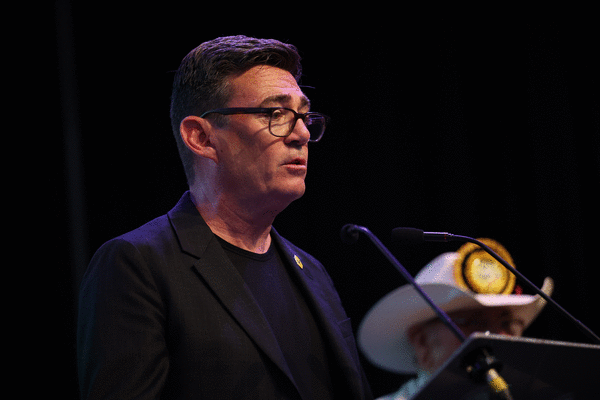

Andy Burnham appears set to become the UK’s seventh prime minister in a decade after Keir Starmer laid out a timeline for his own departure and potential rivals backed a quick transition to the popular Manchester politician.
Burnham’s path to 10 Downing St., which only months ago seemed remote, suddenly cleared on Monday when Starmer announced that he would relent to pressure and step aside as leader of the Labour Party with “good grace.” The schedule he set out could see Burnham, 56, installed as prime minister as soon as July 17, if no other challenger surfaces.
“I will put myself forward as part of this process,” Burnham wrote on X after Starmer’s announcement. “Our priority must be to work together to get the country back to where we all want it to be.”
Moments later, a chief rival for the role, former Health Secretary Wes Streeting, issued his own statement backing Burnham. “We could spend the summer exaggerating small differences, or we can roll up our sleeves and help him deliver the change our party and our country needs,” Streeting said. “That is the choice I am making.”
The UK’s 10-year yield was five basis points lower at 4.81% at 4:40 p.m. in London, down from a high of 4.86% earlier. While investors showed little reaction to Starmer’s well-telegraphed resignation, they were buoyed after Streeting threw his support behind Burnham, reducing the chance of a leadership contest that could have prolonged uncertainty for months.
Burnham’s team now don’t expect there to be a contest, two people familiar with the matter said. One added that the Makerfield MP’s allies are now in a frantic rush to prepare to take over next month.
“It’s inconceivable that any MP would want to take on Andy Burnham. Why would you, when you’re going to lose?” Jonathan Tonge, a professor of politics at University of Liverpool said on the BBC. “Power will transfer very quickly.”
Burnham will face big decisions in the coming months if he becomes prime minister, including who he will name as his Chancellor of the Exchequer, whether to call a general election, and whether to stick to the party’s existing manifesto. He’ll have to grapple with tight public finances, a fickle bond market and a Western alliance shaken by Donald Trump and Vladimir Putin. In his victory speech in Makerfield last week, Burnham cast his win as a victory over “a path towards greater darkness and division” as seen in the U.S. under Trump. “We will not let that happen here.”
Starmer’s emotional speech outside 10 Downing Street on Monday capped a dramatic fall for a man who lead Labour to a landslide general election win in 2024. The premier was beset by record-low favorability ratings and a string of missteps from unpopular benefit cuts and tax hikes to his disastrous appointment of Peter Mandelson to serve as ambassador to the U.S.
Meanwhile, Nigel Farage’s populist Reform UK surged to the top of national polls and made huge gains in local elections last month, alongside the left-wing Greens, with Labour losing almost 60% of the seats it was defending. That resounding defeat crystallized the rebellion within Labour’s ranks and prompted about a quarter of the party’s 403 MPs to call on the premier to go.
After that, everything began to break for Burnham, the mayor of Greater Manchester, who had twice previously sought the Labour leadership and lost. A member of Parliament from the outskirts of Manchester stepped down, creating the vacancy he needed to return to the House of Commons. Starmer, weakened and isolated, decided not to block him from seeking the seat in Makerfield.
Burnham’s resounding victory over Reform’s candidate in the contest on Thursday made Starmer’s efforts to cling on to power increasingly untenable, especially as Farage’s party had taken all seats available on the same turf in local elections just six weeks earlier. With it, the self-styled “king of the north” proved he could bridge voter expectations in an increasingly fractured and polarized electorate.
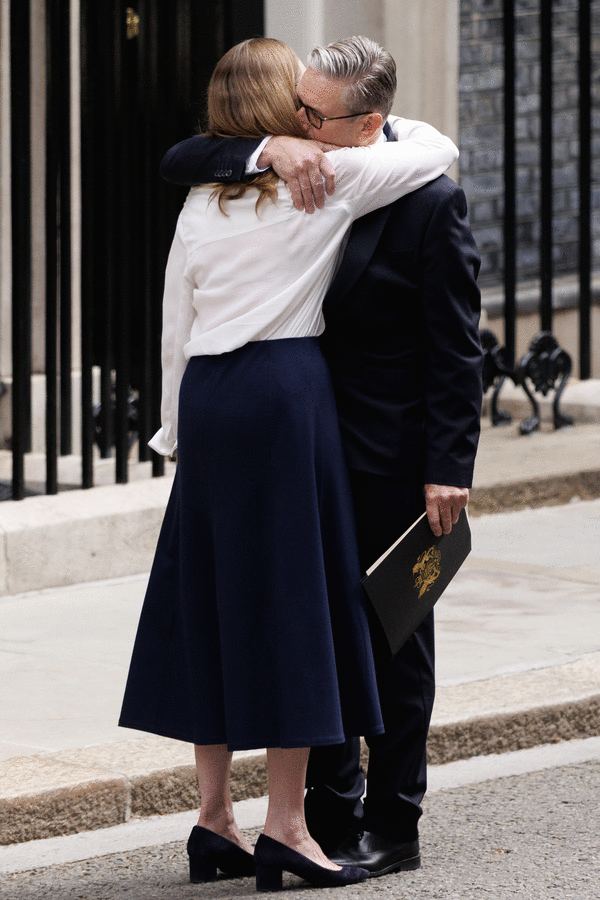
Starmer spent a weekend of soul-searching with family and key advisers at the prime minister’s Chequers country retreat.
The premier’s withdrawal from the political spotlight hours before Burnham was sworn in in the House of Commons cut a scene unprecedented in British political history. News helicopters provided live coverage of the mayor’s train as it journeyed to London’s Euston Station, arriving 21 minutes late. Lawmakers jockeyed for photographs with the new MP from Makerfield.
Starmer said nominations to succeed him as Labour Party would close on July 16 with any contest decided by Sept. 1. It seems likely Burnham has the requisite 81 nominations, and if if no other challenger steps forward he could be prime minister by the next day, July 17.
Whoever succeeds Starmer will become Britain’s fifth prime minister since 2022 and its seventh since the Brexit referendum in 2016: A jarring milestone for a political system that once prided itself on its stability. Burnham made clear he intended to vie for the job if he secured a return to Westminster nine years after leaving to take up the mayoralty. Once sworn in as an MP, he will automatically lose the mayoralty, triggering an election in Manchester, as well.
Farage on Monday called for a general election, saying on X that his party stood “ready to deliver radical change.” Main opposition Conservative Party Leader Kemi Badenoch said Starmer had been a “terrible prime minister,” while Ed Davey, leader of Parliament’s third party, the Liberal Democrats, said “the British people are sick of being let down by an endless merry-go-round of prime ministers while nothing really changes.”
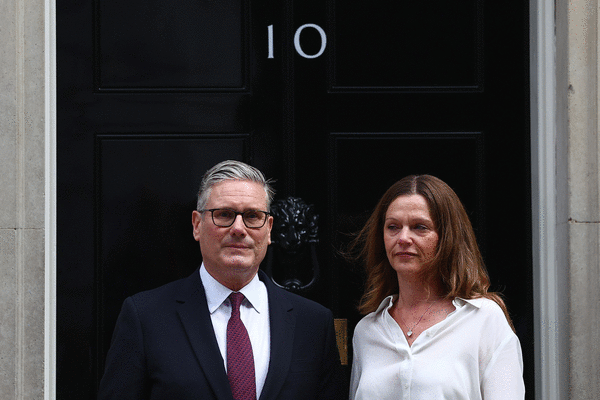
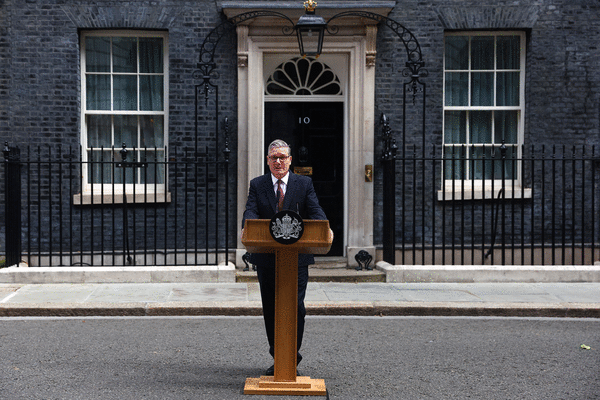
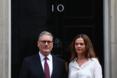
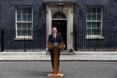
Before Starmer emerged from No. 10 on Monday morning, staff lined up outside, including a few key allies of the premier such as Deputy Prime Minister David Lammy, Chief Secretary Darren Jones and Attorney General Richard Hermer. Then, as the prime minister began to speak, protesters on nearby Whitehall blared out the choral strains of Beethoven’s "Ode to Joy," the anthem of the European Union, which Britain voted to leave a decade ago this Tuesday.
Starmer began his intervention with a summary of his successes in turning around a Labour Party that six years ago, he said was “politically, financially, and morally bankrupt.” “The hard work of change was with a singular purpose, not power for power’s sake, but to change Britain for the better, to build a fairer country with dignity and respect,” Starmer said.
He pointed to a strengthening economy, falling National Health Service waiting lists, improved workers’ rights and half a million children lifted out of poverty as key successes, as well as Britain’s support for Ukraine and the strengthening of ties with the EU some six years after Brexit was completed.
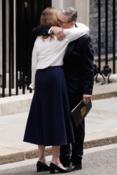
Starmer offered his successor his “full and unequivocal support, choking back tears as he spoke of spending more time on his “most important job,” being a husband and father. He said he would accept his fate with “good grace.”
“The question my party is asking now is whether I am best placed to lead us into the next general election,” Starmer said in Downing Street. “I have heard the answer of my parliamentary party.”
_____
(With assistance from Ellen Milligan, Alex Wickham and Jacob Reid.)
_____
©2026 Bloomberg L.P. Visit bloomberg.com. Distributed by Tribune Content Agency, LLC.




Comments