California’s salmon fishery is reopening after a population crash and 3-year closure, but that doesn’t mean all is well
Published in News & Features
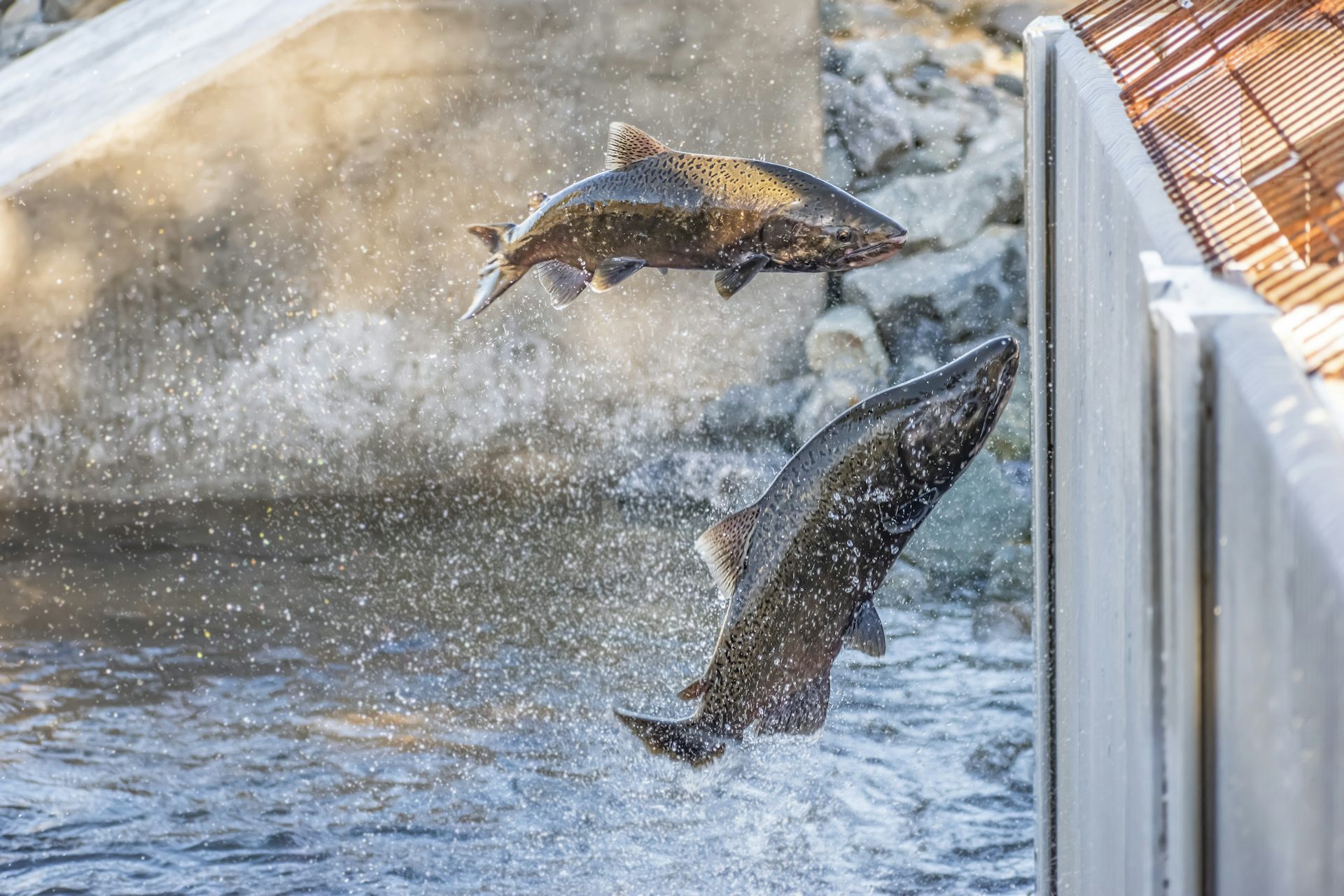
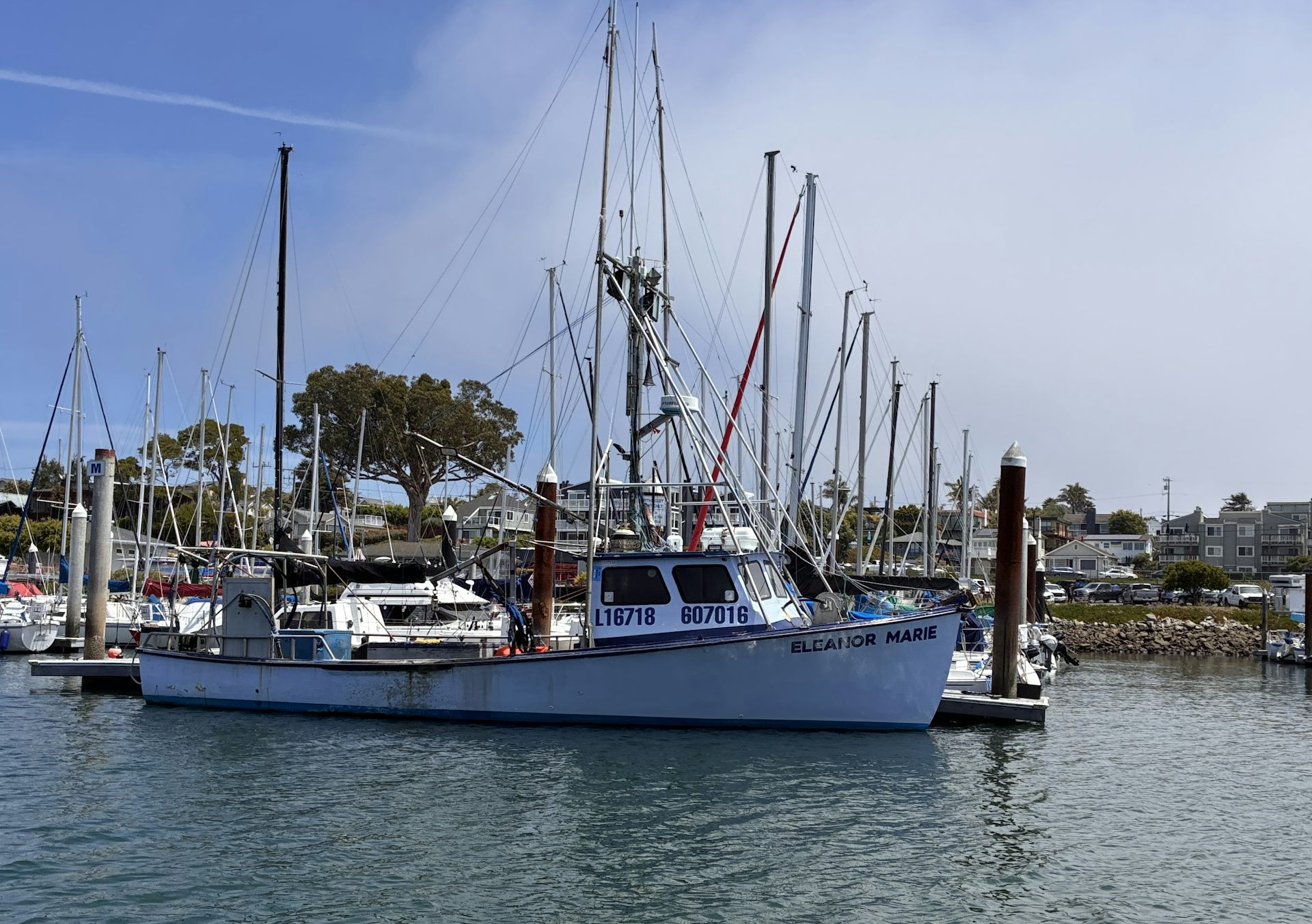

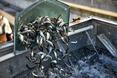
Along the California coast, from Bodega Bay to Morro Bay, commercial fishing boats have started pulling in salmon for the first time in three years, and local salmon are once again appearing on restaurant menus and in seafood markets across the state.
California’s commercial ocean salmon fishery began reopening in May 2026 for the first time since a population crash led to a three-year closure.
But while the reopening, happening in phases and with limits, is welcome news, it does not mean the underlying problems have been solved.
The Pacific Fisheries Management Council, established by Congress to oversee West Coast fisheries, closed the salmon fishery in 2023 after populations of fall-run Chinook salmon collapsed to critically low levels, down 85% from the average population before 2005.
The immediate cause of the latest closure was the extreme drought from 2020-2022 that devastated salmon survival as river levels fell and the water heated up. But more than drought pushed the fishery to the brink. The underlying system of water management, hatchery practices and habitat loss have also eroded the salmon population’s ability to quickly recover from difficult years.
We study changing fish ecology in California. The state has the knowledge to create a more resilient system that can help salmon better withstand California’s increasing climate whiplash. But without significant changes in three key areas, we believe today’s good news for salmon could be short-lived once again.
The Sacramento-San Joaquin Basin once hosted one of the most productive salmon habitats in the U.S. Salmon depend on cold water for reproduction and a productive ocean for adult growth. California provided both in abundance, with spawning streams fed by snowmelt and ocean productivity boosted by seasonal upwelling of nutrients along the coast.
California’s rich mosaic of spawning streams, floodplains and tidal wetlands supported different age classes and migrational timings, making the fish population diverse enough to survive the state’s droughts and other environmental fluctuations.
Much of that stabilizing diversity has been lost over the decades. Massive dams now block access to historic spawning habitat. Rivers have become disconnected from floodplains. Water diversions for farmland alter the timing and temperature of river flows.
The loss of ecological complexity, along with a salmon population that is increasingly raised in hatcheries, resulting in less diversity in both genetics and behavior, has allowed a pattern of boom-bust cycles that can leave the fishery struggling during droughts and marine heat waves.
These population fluctuations have worsened over time. Population crashes caused fishery closures in 2008-2009 and again in 2023-2025. Avoiding a repeating pattern of closures requires restoring the ability of salmon populations and their interconnected network of habitats to withstand droughts, heat waves and other environmental shocks without collapsing.
One of the biggest opportunities for salmon recovery lies in smarter management of California’s water resources.
Salmon evolved in rivers with seasonal pulses of cold water from snowmelt and winter storms. Today, dams and reservoirs tightly control those flows to deliver water to cities and agriculture. But scientists now understand much more about how the timing and temperature of water releases affect salmon survival.
Juvenile salmon survive best when rivers receive periodic “pulse flows,” or temporary increases in water that help young fish migrate downstream. Cold-water releases can also help prevent rivers from heating up to lethal temperatures during critical spawning, rearing and migration periods.
The infrastructure to create these pulse flows already exists in many watersheds where dams control the water flow. The challenge is managing water flows to meet the needs of both salmon and people.
Researchers have developed forecasting models that combine snowpack, temperature and river-flow data to help water and fisheries managers identify when targeted water releases could provide the greatest ecological benefit.
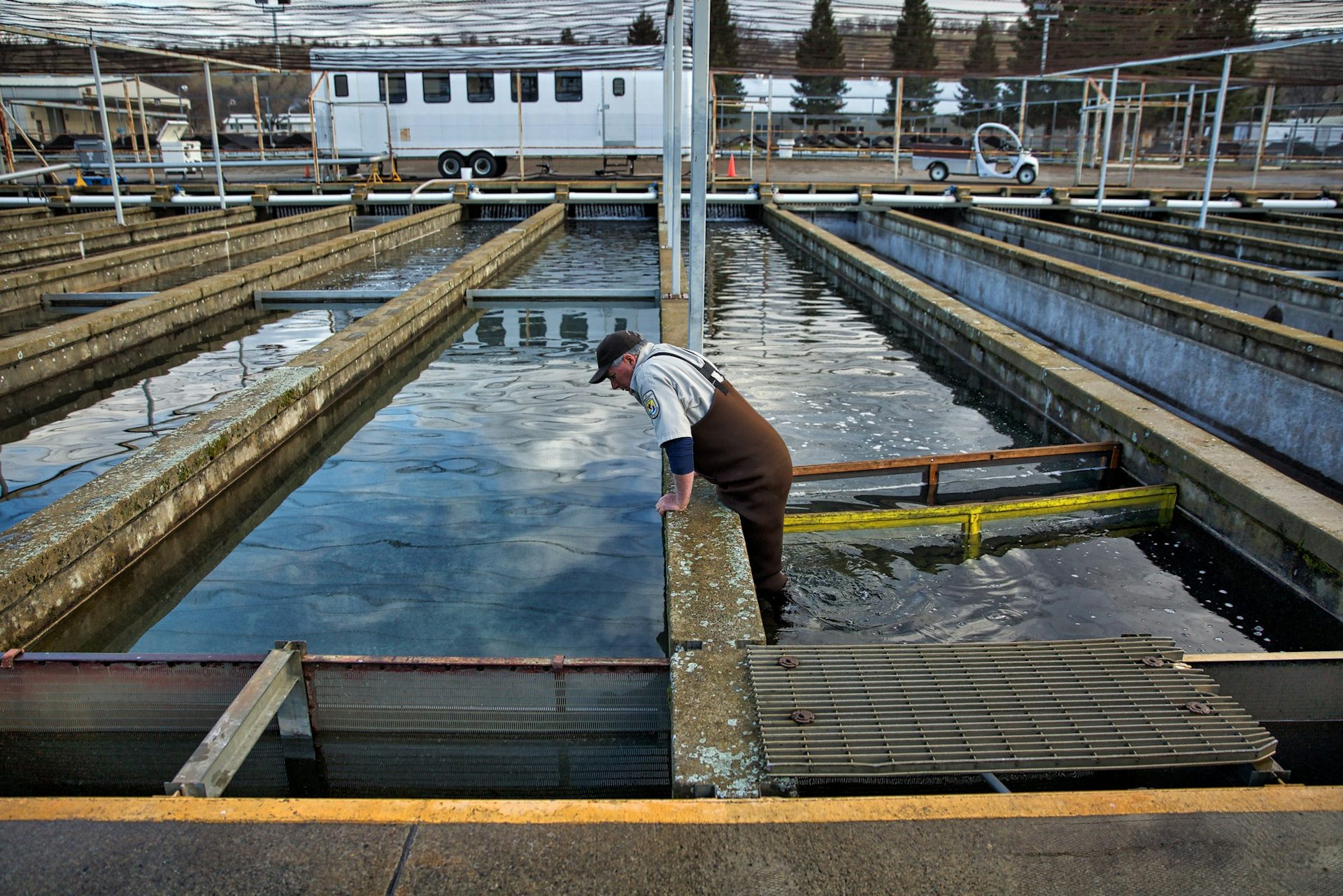
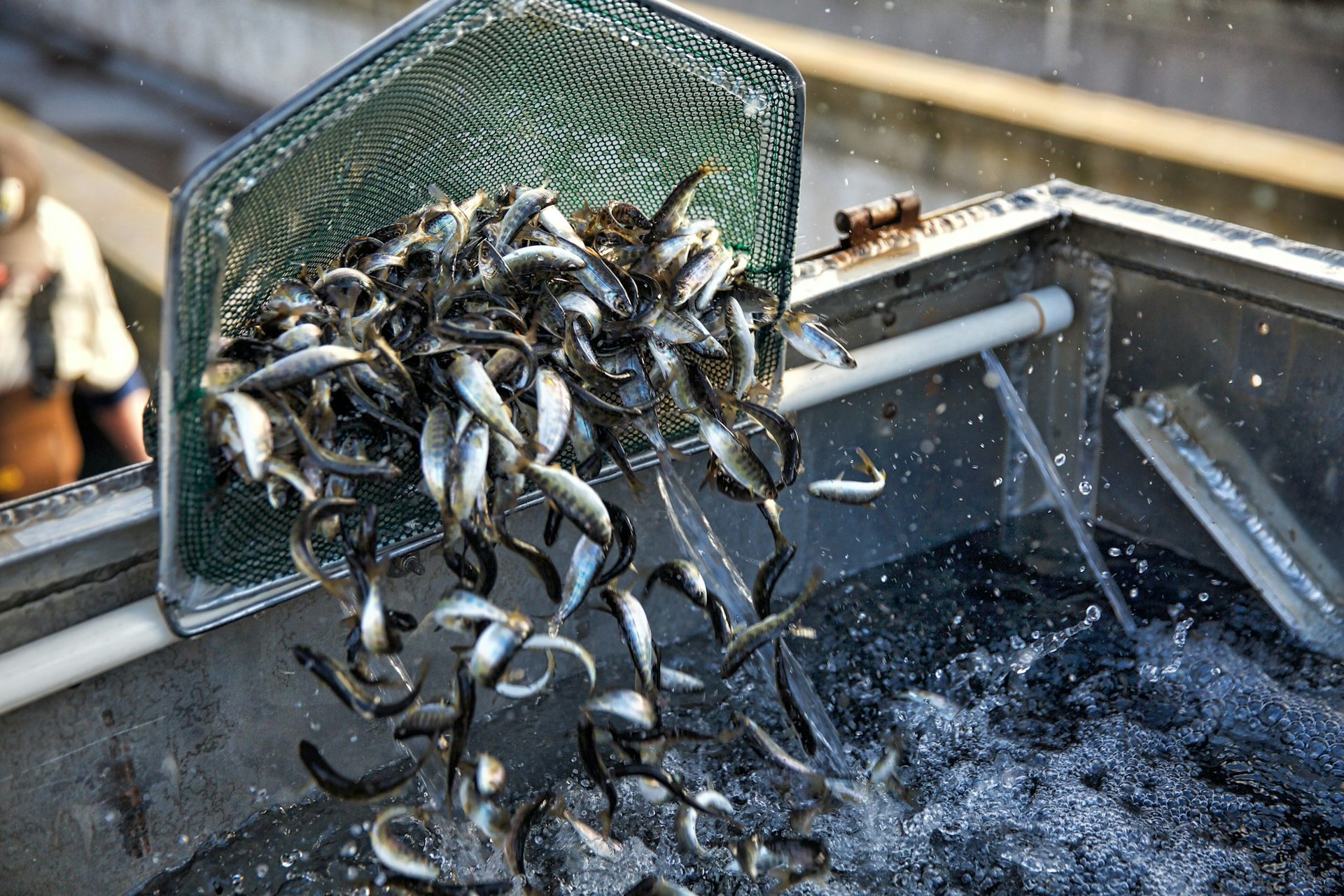
California hatcheries release millions of young salmon every year. Without them, the reopening would not be possible.
But hatcheries can also unintentionally reduce the diversity that helps make salmon populations resilient to environmental changes.
Hatcheries have historically focused on maximizing the number of fish produced. But they tend to release fish of a similar size over a narrow time range, making the success of each group more vulnerable if they face poor river and ocean conditions.
In some cases, hatcheries have bypassed overheated rivers and trucked fish to the ocean, releasing them directly into San Francisco Bay. This approach can mean more fish survive to breeding age, but those fish are less able to find their way back to traditional spawning grounds.
Hatcheries can also cause harm to natural populations through competition, disease and by reducing genetic variation in the population. However, if they employ careful genetic management, they can preserve more of the natural diversity found in wild salmon populations. This includes changing hatchery practices to avoid unintentionally favoring fish that thrive under hatchery conditions but struggle in the wild.
Loss of spawning and rearing habitat is one of the biggest long-term challenges for California salmon.
Dams have blocked access to vast areas of historical spawning habitat. The recent removal of dams on the Klamath River represents one of the largest river restoration projects for salmon habitat in U.S. history.
While dam removal is effective, it can also be costly, time consuming and politically contentious. Other approaches to getting salmon above dams, such as creating fish passages and trucking operations, can also help restore access to historical spawning habitat.
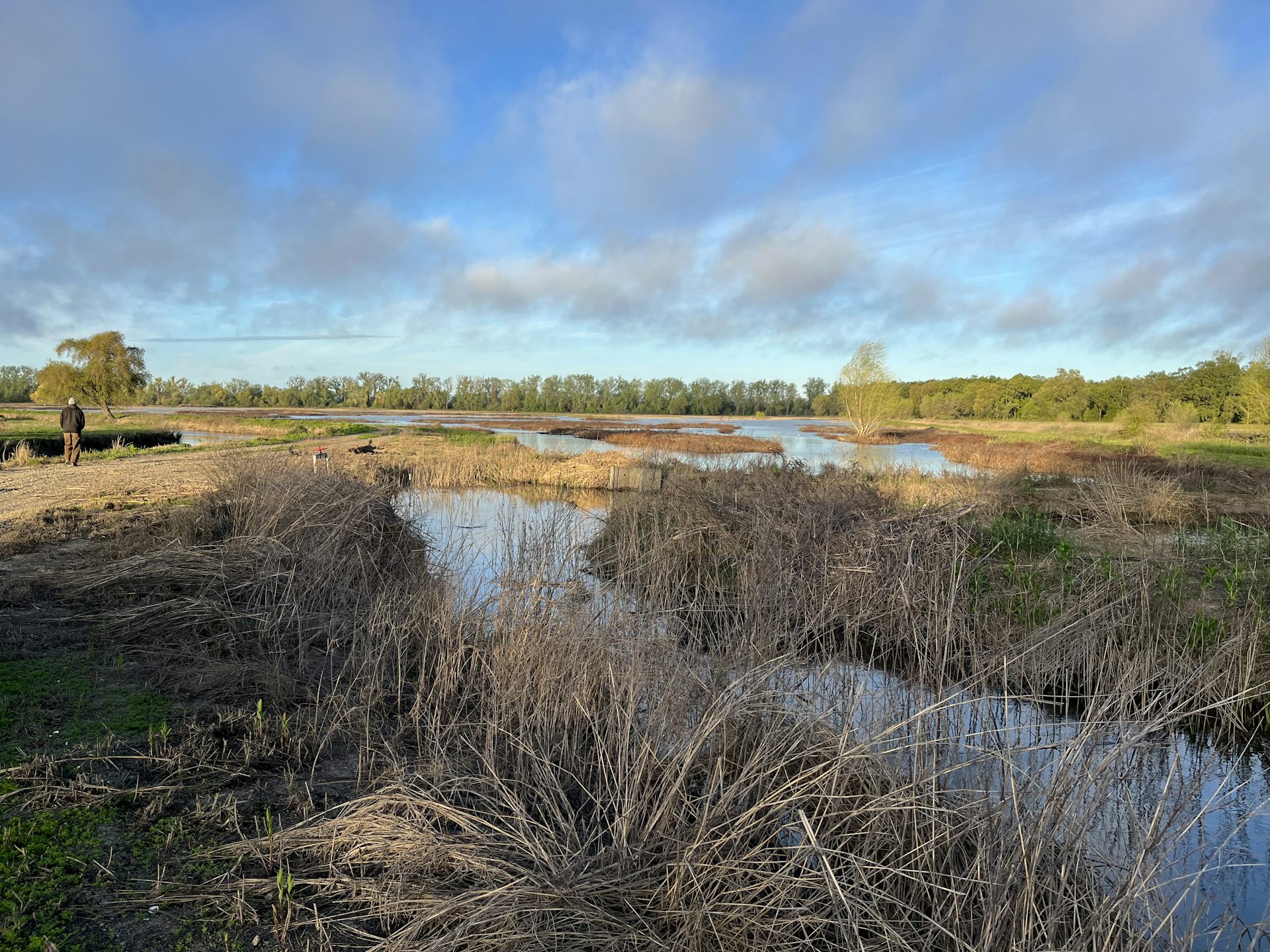
Reconnecting rivers, many of which have been restricted by levees, to seasonal floodplains can dramatically improve growth and survival for juvenile salmon and increase their resilience to climate change.
Floodplains act like productive nurseries, providing a food-rich habitat where young fish can grow rapidly before migrating to the sea. Modifying flood-control structures to allow rivers to spread out during parts of the year can help the salmon population. Winter-flooded rice fields can also serve as seasonal habitat for juvenile salmon. Young salmon raised on these flooded fields grow faster than fish confined to river channels, suggesting that agricultural landscapes could be large-scale opportunities for floodplain restoration.
The reopening of California’s commercial salmon fishery is good news for coastal communities, but coordinated management is needed to strengthen California’s salmon system long term.
These solutions do not recreate the California of 200 years ago, but combined they can rebuild some of the ecological complexity that salmon need to survive in a rapidly changing climate. Importantly, all these solutions, from water to hatcheries to habitat, need to be applied together in order for salmon to complete their complex life cycle. Any single action in isolation, benefiting just one life stage, is unlikely to work.
The benefit is a thriving salmon fishery into the future.
This article is republished from The Conversation, a nonprofit, independent news organization bringing you facts and trustworthy analysis to help you make sense of our complex world. It was written by: Eric Palkovacs, University of California, Santa Cruz and Steven T. Lindley, University of California, Santa Cruz
Read more:
How sea star wasting disease transformed the West Coast’s ecology and economy
Why river floodplains are key to preserving nature and biodiversity in the western US
How redefining just one word could strip the Endangered Species Act’s ability to protect vital habitat
Eric Palkovacs receives funding from NOAA.
Steven T. Lindley does not work for, consult, own shares in or receive funding from any company or organization that would benefit from this article, and has disclosed no relevant affiliations beyond their academic appointment.







Comments