Why many older adults skip hard candy – how aging can change chewing and swallowing
Published in News & Features




Last Easter while my children were sorting through their baskets of chocolate eggs and jelly beans, my son looked up from the table and asked a simple question:
“Why don’t Grandma and Grandpa eat candy like we do?”
It was the kind of question children ask without really thinking. To him, it seemed obvious: Candy is delicious, so why wouldn’t everyone want it?
From a child’s perspective, it can look like older adults simply lose their taste for sweets. But as a speech-language pathologist who studies swallowing disorders, I know the explanation is often more complicated. In many cases, the issue has less to do with liking candy and more to do with something most people rarely have to think about: swallowing.
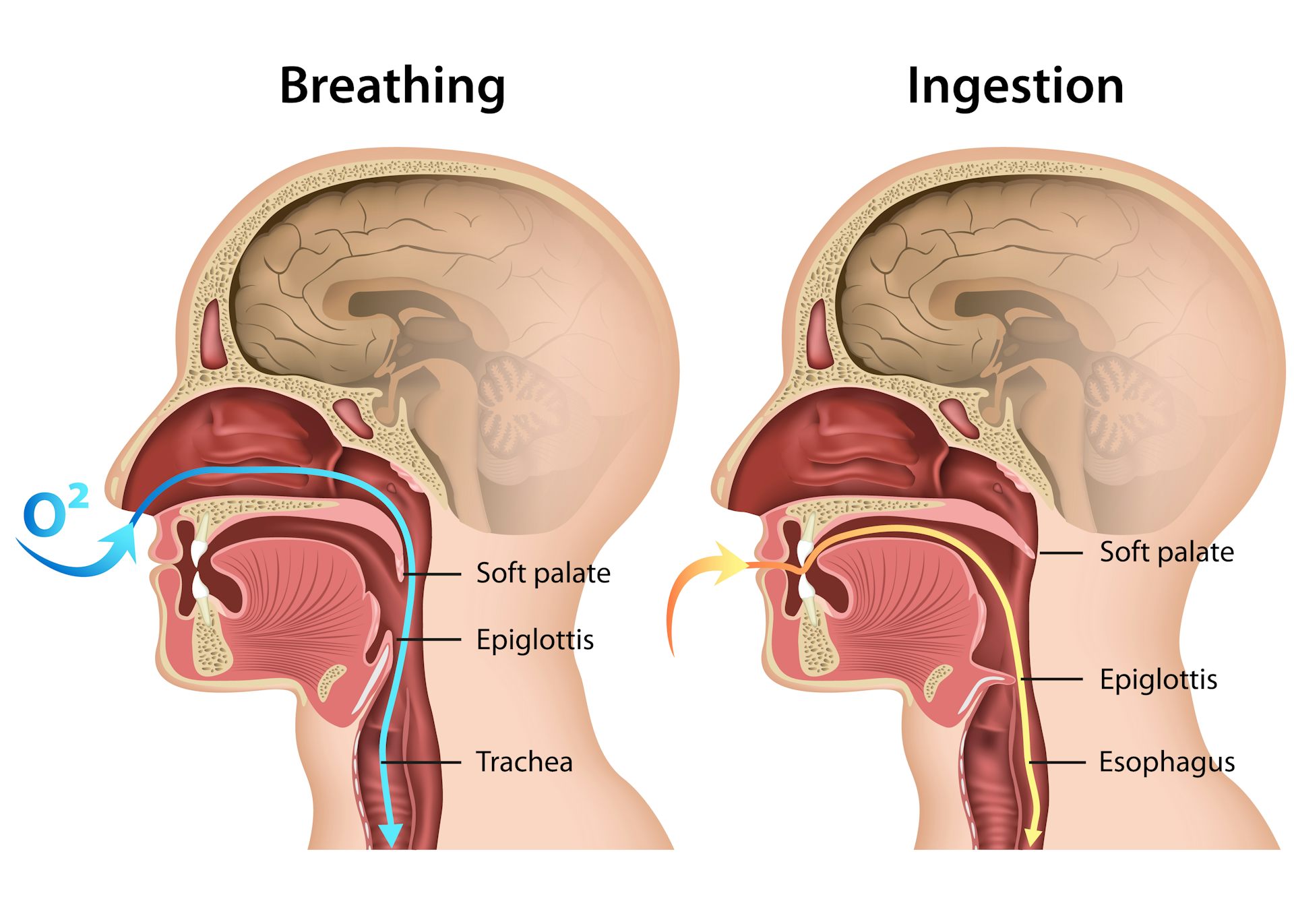
You hardly notice the act of swallowing. It happens automatically every time we eat or drink. But swallowing is actually a remarkably complex process. More than 30 muscles and several nerves coordinate to move food from the mouth through the throat and into the esophagus while briefly protecting the airway.
One way to think about swallowing is like a carefully timed relay race. Each group of muscles passes food along to the next step at exactly the right moment, while the airway briefly closes to keep food from entering the lungs.
When everything works smoothly, it takes only a second or two.
As people age, some parts of this process can change. Chewing muscles may lose a bit of strength. Saliva production can decrease, which makes dry or sticky foods harder to manage. Taste can also shift over time, and the timing of swallowing movements may become slightly slower.
Dental changes or missing teeth can make certain foods harder to chew. These shifts don’t necessarily mean something is wrong, but they can make certain textures more difficult to manage.
Candy is a good example. Many Easter treats – caramels, gummies and sticky chocolate – require strong chewing and precise coordination to swallow comfortably.
For someone whose swallowing has become slightly less efficient, those foods can suddenly feel like more effort than they used to.
Sometimes, swallowing changes go beyond normal aging. The medical term for difficulty swallowing is dysphagia, and it is a condition that can occur for many reasons. Researchers estimate that about 1 in 25 adults experience dysphagia, making it a relatively common but often overlooked health condition.
Stroke, Parkinson’s disease, dementia and other neurological conditions can affect the muscles and nerves that control swallowing. In health care settings, speech-language pathologists frequently see swallowing problems among older adults recovering from illness or managing chronic conditions.
When swallowing becomes difficult, eating can feel tiring or uncomfortable. Some people cough while eating. Others feel like food is getting stuck in their throat or notice that meals take longer than they used to.
To avoid discomfort, many people quietly begin adjusting what they eat. They may choose softer foods, take smaller bites or skip foods that feel harder to swallow. Sometimes that includes sticky or chewy candies.
To others at the table, it may appear that Grandma or Grandpa no longer enjoys sweets. But these changes are often subtle adaptations that make eating safer and more manageable.
Eating is not just about getting calories or nutrients. Food is tied to memory, tradition and connection.
Think about how many family traditions revolve around meals. Holiday dinners, birthday cakes and seasonal treats bring people together. Sharing food is one of the most universal ways in which families celebrate and connect across generations.
When swallowing becomes difficult, the effects go beyond the physical challenge of eating. People may start avoiding certain foods or feel self-conscious eating around others. Over time, they may even withdraw from shared meals.
That’s one reason many clinicians now emphasize quality of life alongside safety when treating swallowing disorders.
Speech-language pathologists are the health care professionals who evaluate and treat swallowing disorders. Through specialized assessments and therapy, they help people find strategies that make eating safer and more comfortable. Sometimes the changes needed are surprisingly small.
Family members are often the first to notice when someone’s eating habits begin to change. Signs that may suggest swallowing difficulty include coughing or throat clearing during meals, needing extra time to chew food, or avoiding certain textures — especially dry or sticky foods.
If these patterns appear regularly, a medical evaluation can help identify whether swallowing changes are involved.
The goal is rarely to eliminate someone’s favorite foods entirely. Instead, clinicians often help people find ways to continue enjoying meals safely – whether that means modifying food textures, adjusting eating strategies or addressing the underlying condition affecting swallowing.
In many cases, these adjustments allow older adults to keep participating in the meals and traditions that matter most to them.
The next time candy appears at a holiday gathering, a grandparent’s decision to pass might raise a question from a curious child.
Sometimes the explanation really is simple preference. But other times, the answer lies in the quiet changes that can occur in chewing and swallowing as people age. Understanding those changes can help families respond with a little more awareness and patience.
After all, the joy of sharing food together doesn’t disappear with age. It just might require a little more understanding of how the body works.
This article is republished from The Conversation, a nonprofit, independent news organization bringing you facts and trustworthy analysis to help you make sense of our complex world. It was written by: Sundeep Venkatesan, Binghamton University, State University of New York
Read more:
Why Easter is called Easter, and other little‑known facts about the holiday
Easter bunnies, cacao beans and pollinating bugs: A basket of 6 essential reads about chocolate
Does chicken soup really help when you’re sick? A nutrition specialist explains what’s behind the beloved comfort food
Sundeep Venkatesan does not work for, consult, own shares in or receive funding from any company or organization that would benefit from this article, and has disclosed no relevant affiliations beyond their academic appointment.







Comments