We blasted mobile homes with hurricane-force winds to test how they fail – and found clues for making affordable housing safer
Published in Science & Technology News
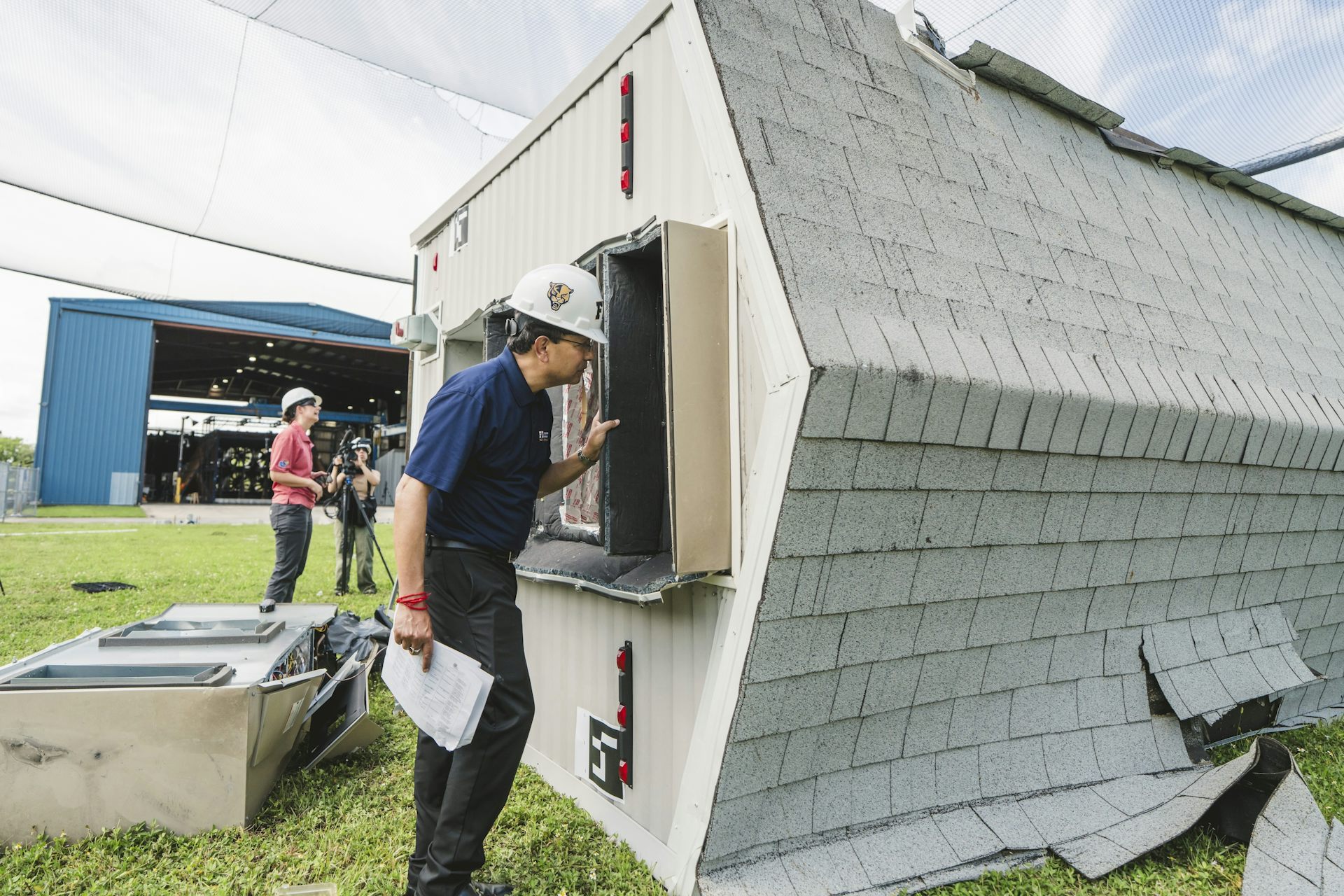
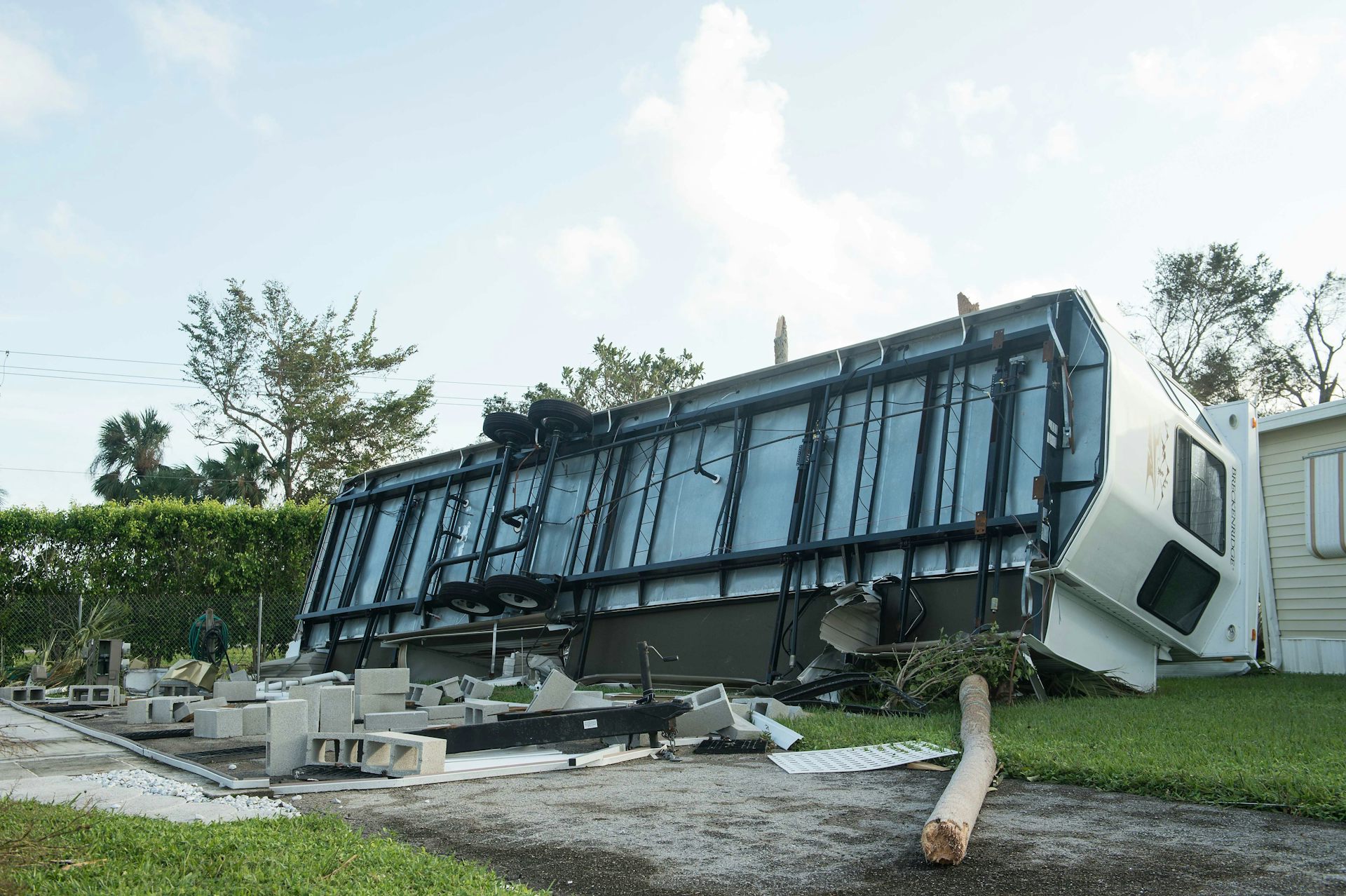
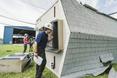
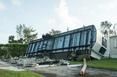

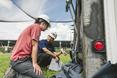
It’s 9:15 in the morning. The wind is roaring at 110 miles per hour (177 kph); the sound is deafening. Dust swirls through the air. We are watching a single-wide manufactured home rock back and forth, as it is pounded by turbulent wind.
Then, in an instant, the screws shear off and the entire unit tumbles backward, rolling two full revolutions before it stops.
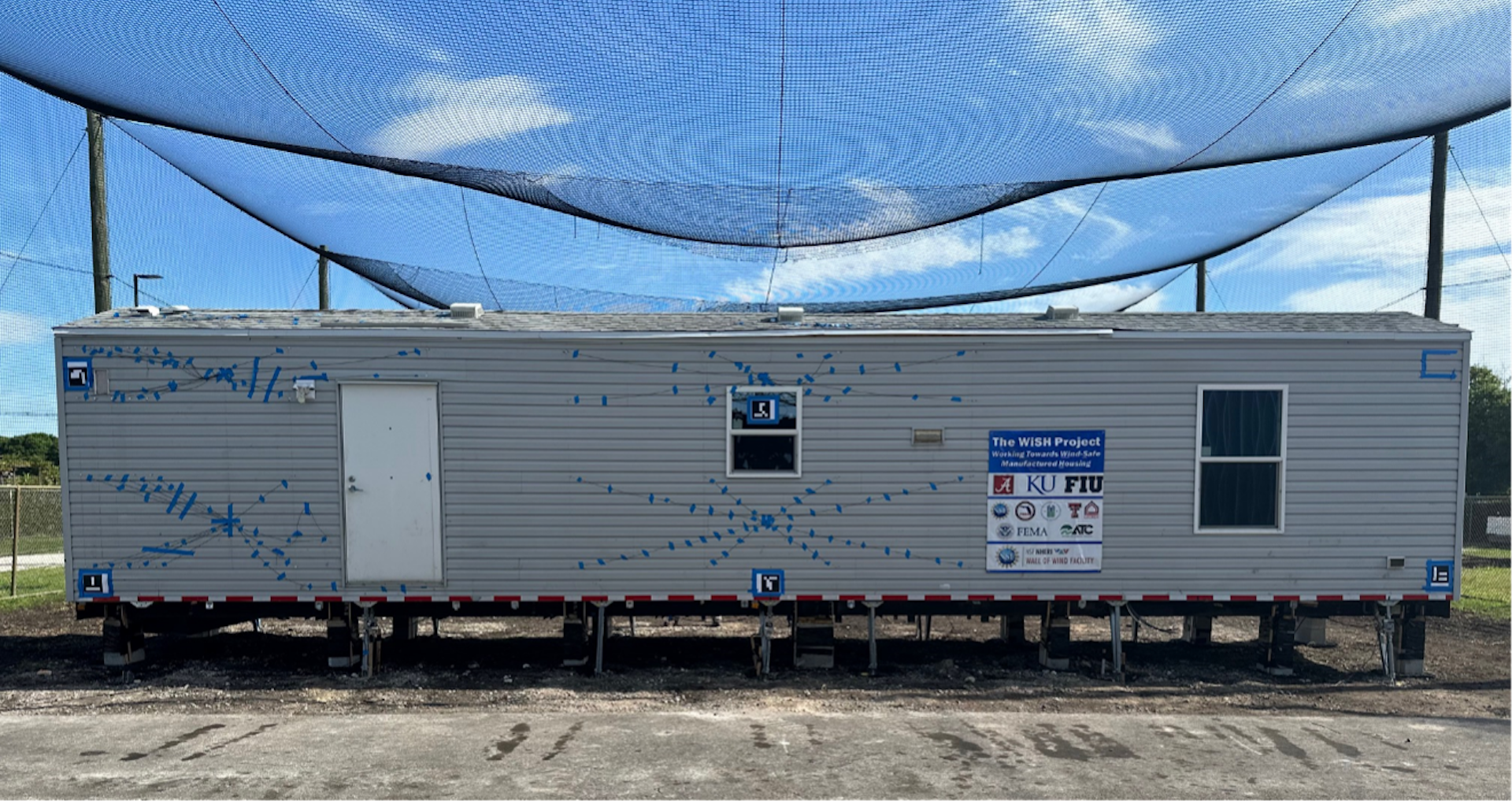
In any other situation, this would be terrifying. But here, we are conducting a first-of-its-kind experiment at Florida International University’s Wall of Wind, a test facility that can reproduce wind speeds the equivalent of a Category 5 hurricane.
We are testing a full-scale manufactured home to measure the effects of hurricane-force winds and identify strategies that can improve the safety of all mobile homes as disaster risk rises. We want disaster-resilient and affordable housing – not just one, but both.
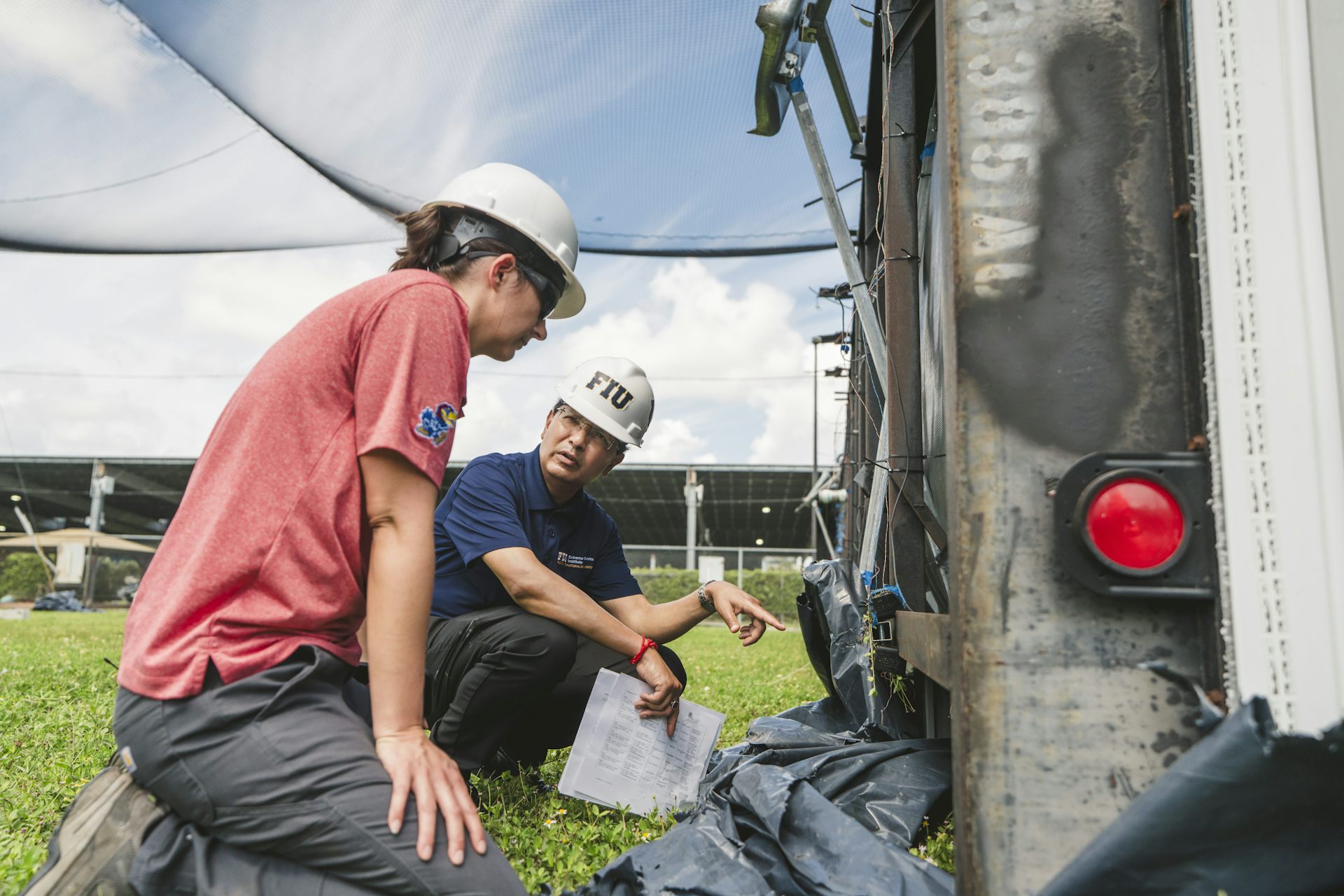
As structural and wind engineering researchers, we have been working on this problem for a decade. Our recent Wall of Wind experiment was the first time the federal design requirements for manufactured homes had ever been put to the test in a controlled environment with sensors and videography to capture the effects.
The results of our work show that manufactured housing can be built safely. For that to happen, state and federal building codes need a serious update.
To back up for a moment, one thing you should know is that the design and construction of manufactured homes are regulated by a specific federal building code with wind engineering standards from 1988.
The antiquated federal code lacks any guidance for building these homes to withstand earthquakes, wildfires or tornadoes. It also created differences in construction costs and performance between manufactured housing and site-built housing, which is regulated by a different building code system that is updated every three years.
The cost differences are critical and what keeps manufactured homes affordable. The performance differences can be deadly. Over 22 million people live in manufactured homes in the U.S., as they are the most common type of unsubsidized affordable housing.
Our research is investigating ways to enhance the performance of manufactured homes without compromising affordability.
By integrating structural engineering laboratory experiments, post-disaster field investigations and community engagement, we are finding new solutions to increase building strength, reduce loads and optimize the use of construction materials.
When we started, there was a dearth of research on factory-built housing and no clear public documentation on how these structures are constructed. So, we began examining how mobile and manufactured homes failed during disasters.
Through testing, we observed failures in how the homes were anchored to the ground and in how the roof connects to the walls.
At the University of Kansas, we have now performed hundreds of experiments on load path connections – measuring the stress on the connections between roof sheathing and rafters, roofs and walls, and walls and floors. We have also been testing new designs using thicker straps, screws and different hardware to enhance their strength.
Changing a federal building code that has remained stagnant for 32 years requires more than lab work. We also talk with residents, home and installation system manufacturers, installers, advocacy organizations, federal and state agencies and fellow researchers to learn from their perspectives what is and isn’t working.
We have worked with the Federal Emergency Management Agency to update its approach to using mobile and manufactured homes as post-disaster temporary housing so that when disaster victims need housing, they can continue to receive it quickly, with assurance it was installed following best practices. And we’re translating our research into templates that will make it easier for state and local governments to adopt best practices for local installation requirements.
In spring 2026, we tested three manufactured homes provided by FEMA. We examined seven installation systems commonly used in regions prone to hurricanes, floods or earthquakes. These tests are unique because the manufactured homes were installed by local experts in soil matching real-world conditions and tested at full scale against hurricane-force winds.
We collected high-speed video imagery and tracked the movement of the manufactured home and stresses on its materials through time.
The tests enabled us to document damage as it progressed, learning what fails first, second, and so forth that then ends with the unit rolling over. This damage progression is something that cannot be observed after the disaster or through testing small-scale models in wind tunnels.
Our preliminary results reveal that installation practices allowed by some states do not meet the federal code minimum requirements, and that many commonly used installation systems in the U.S. do not meet modern wind engineering standards.
There is good news too. The most robust installation systems performed effectively. Manufactured home residents can talk to their installers about meeting Wind Zone III requirements – which may exceed the legal minimum requirement for where the home is going.
Our team also designed a wind load reduction device that attaches to the gutter system along the roof line. It reduces wind pressures on the roof, helping the roof shingles remain attached and intact under harsh wind conditions. And we collaborated with an industry team to test a new anchoring device that optimizes the use of the construction materials.
The results demonstrate that manufactured homes can be designed and built to be both affordable and resilient to high winds. In fact, some already are; it just isn’t the norm.
The mobile homes we tested were built specifically for FEMA at three times the strength required by the federal building code. When installed with a robust anchoring system, the homes we tested performed well even at high wind speeds.
The state of housing in the U.S. is on an unsustainable path, with rising costs, inadequate construction quality and frequent extreme weather events.
Transforming the way manufactured homes are built and installed can save lives and reduce losses for millions of people, while making prefabricated housing a valuable solution to the affordable housing crisis. Our results show it can be done.
This article is republished from The Conversation, a nonprofit, independent news organization bringing you facts and trustworthy analysis to help you make sense of our complex world. It was written by: Elaina Sutley, University of Kansas and Arindam Chowdhury, Florida International University
Read more:
30 years after Hurricane Andrew devastated Florida, researchers are using a ‘Wall of Wind’ to design safer homes – but storms are getting even more intense
Hurricanes, wildfires, tornadoes, floods – whatever your local risk, here’s how to be more weather‑ready
The housing crisis is forcing Americans to choose between affordability and safety
Elaina Sutley receives funding from the National Science Foundation, the U.S. Department of Housing and Urban Development, the State of Florida Division of Emergency Management, the State of California Office of Emergency Services, and the Applied Technology Council for her research on mobile and manufactured housing.
Arindam Chowdhury receives funding from the National Science Foundation, DEM, FSG, and other agencies. He is affiliated with the American Association for Wind Engineering and other organizations. He is an associate editor for Natural Hazards Review journal.







Comments