Flesh-eating bacteria are devouring limbs in warming waters worldwide − here’s how to protect yourself
Published in Science & Technology News
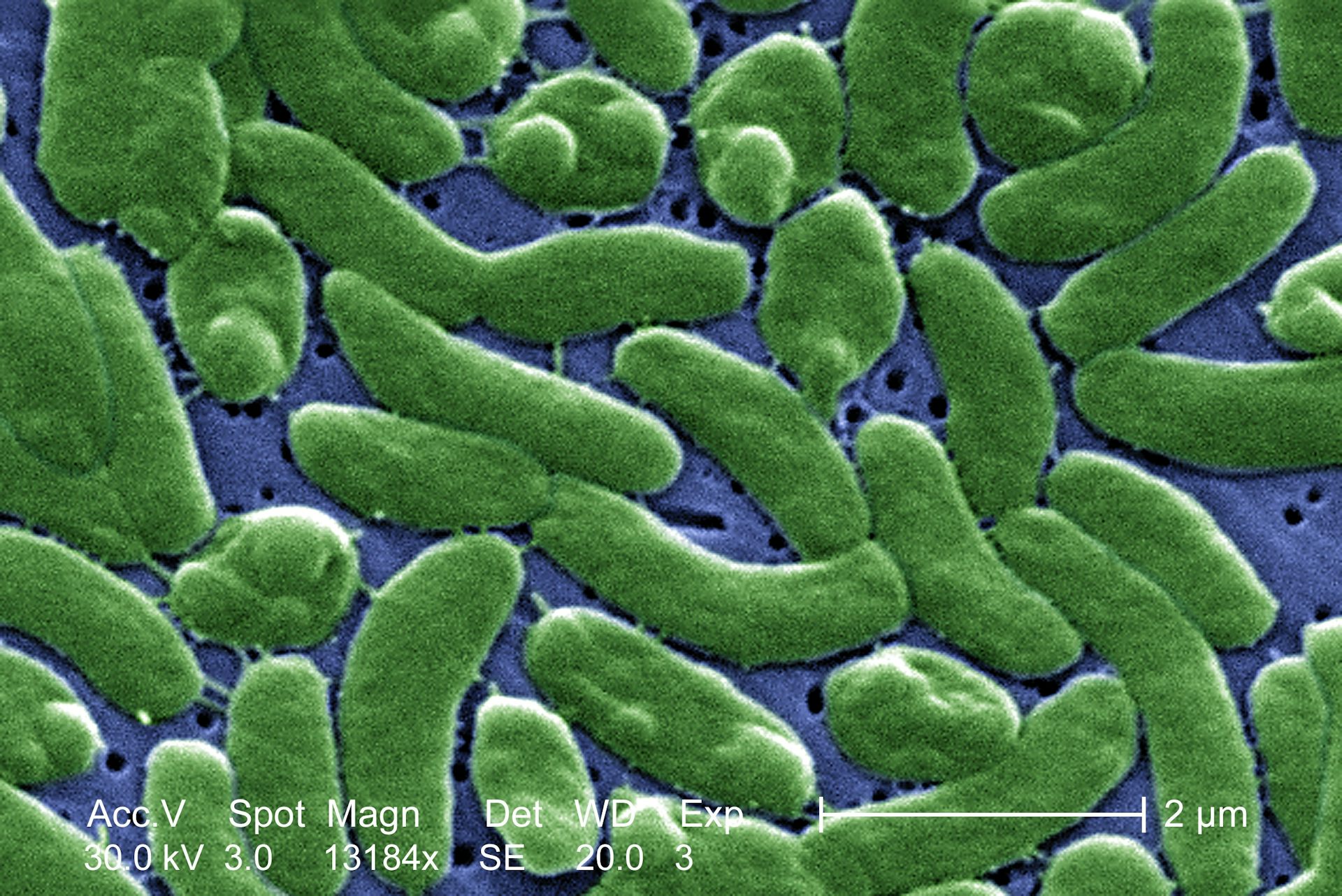
Flesh-eating bacteria sounds like the premise of a bad horror movie, but it’s a growing – and potentially fatal – threat to people in the U.S. and beyond.
Vibrio vulnificus, a type of flesh-eating bacteria that thrives in warm seawater, is once again threatening the safety of beachgoers and raw shellfish enthusiasts. To date, Louisiana has reported nine cases, with five fatalities, and Florida has reported 14 cases, with two fatalities. As of late June, Maryland has reported 72 cases.
I’m a professor at the Indiana University School of Medicine, where my laboratory studies microbiology and infectious disease. Here’s why health officials are so concerned about this deadly infection – and ways to avoid contracting it.
There are several types of bacteria that can infect open wounds and cause a rare condition called necrotizing fasciitis. These bacteria do not merely damage the surface of the skin – they release toxins that destroy the underlying tissue, including muscles, nerves and blood vessels. Once the bacteria reach the bloodstream, they gain ready access to additional tissues and organ systems. If left untreated, necrotizing fasciitis can be fatal, sometimes within 48 hours.
The bacterial species group A Streptococcus, or group A strep, is the most common culprit behind necrotizing fasciitis. But the U.S. Centers for Disease Control points to Vibrio vulnificus as an additional suspect. There are only 150 to 200 cases of Vibrio vulnificus infections in the United States each year, but the mortality rate is high, with 1 in 5 people succumbing to the infection. Cases have also increased in Europe.
Vibrio vulnificus primarily lives in warm seawater but can also be found in brackish water – areas where the ocean mixes with freshwater. Most infections in the U.S. occur in the warmer months, between May and October. People who swim, fish or wade in these bodies of water can contract the bacteria through an open wound or sore.
Vibrio vulnificus can also get into seafood harvested from these waters, especially shellfish like oysters. Eating such foods raw or undercooked can lead to food poisoning, and handling them while having an open wound can provide an entry point for the bacteria to cause necrotizing fasciitis. In the U.S., Vibrio vulnificus is a leading cause of seafood-associated fatalities.
Vibrio vulnificus is found in warm coastal waters around the world, like those of the southern Gulf Coast states in the U.S. But rising ocean temperatures due to global warming are creating new habitats for this type of bacteria, which can now be found along the East Coast as far north as New York and Connecticut. A recent study noted that Vibrio vulnificus wound infections increased eightfold between 1988 and 2018 in the eastern U.S.
Vibrio vulnificus is also spreading into coastal areas of Northern Europe and the Baltic Sea as a consequence of climate change driving warming water temperatures.
Climate change is also fueling stronger hurricanes and storm surges, which have been associated with spikes in flesh-eating bacteria infection cases due to increasing contact with seawater or brackish water.
The number of people around the world who are most vulnerable to severe infection, including those with diabetes and those taking medications that suppress immunity, is on the rise.
Early symptoms of an infected wound include fever, redness, intense pain or swelling at the site of injury. If you have these symptoms, seek medical attention without delay. Necrotizing fasciitis can progress quickly, producing ulcers, blisters, skin discoloration and pus.
Treating flesh-eating bacteria is a race against time. Clinicians administer antibiotics directly into the bloodstream to kill the bacteria. In many cases, damaged tissue needs to be surgically removed to stop the rapid spread of the infection. This sometimes means amputating affected limbs.
Researchers are concerned that an increasing number of cases are becoming impossible to treat because Vibrio vulnificus has evolved resistance to certain antibiotics.
The CDC offers several recommendations to help prevent infection.
People who have a fresh cut, including a new piercing or tattoo, are advised to stay out of water that could be home to Vibrio vulnificus. Otherwise, the wound should be completely covered with a waterproof bandage. The tiniest scrape or cut is enough for Vibrio vulnificus to get under your skin. One case was even traced to freshly shaven legs.
People with an open wound should also avoid handling raw seafood or fish. Wounds that occur while fishing, preparing seafood or swimming should be washed immediately and thoroughly with soap and water.
Anyone can contract necrotizing fasciitis, but the elderly and people with weakened immune systems are most susceptible to severe disease. This includes people taking immunosuppressive medications or those who have pre-existing conditions such as liver disease, cancer, HIV or diabetes.
It is important to bear in mind that necrotizing fasciitis presently remains very rare. But given its severity, it is beneficial to stay informed.
Cases of infection by Vibrio vulnificus are about as rare as shark attacks. While shark bites get more attention, the microscopic shark that is Vibrio vulnificans can also rob you of life or limb.
This is an updated version of an article originally published on Sept. 25, 2023.
This article is republished from The Conversation, a nonprofit, independent news organization bringing you facts and trustworthy analysis to help you make sense of our complex world. It was written by: Bill Sullivan, Indiana University
Read more:
Cyclosporiasis sickens some people worse – why your diarrhea could be more explosive than others
Looming behind antibiotic resistance is another bacterial threat – antibiotic tolerance
Cholera still kills thousands each year – in places without clean water, it’s far from history
Bill Sullivan receives funding from the National Institutes of Health.







Comments