5 things you'll love about LVP, and 2 that you might not
Published in Home and Consumer News
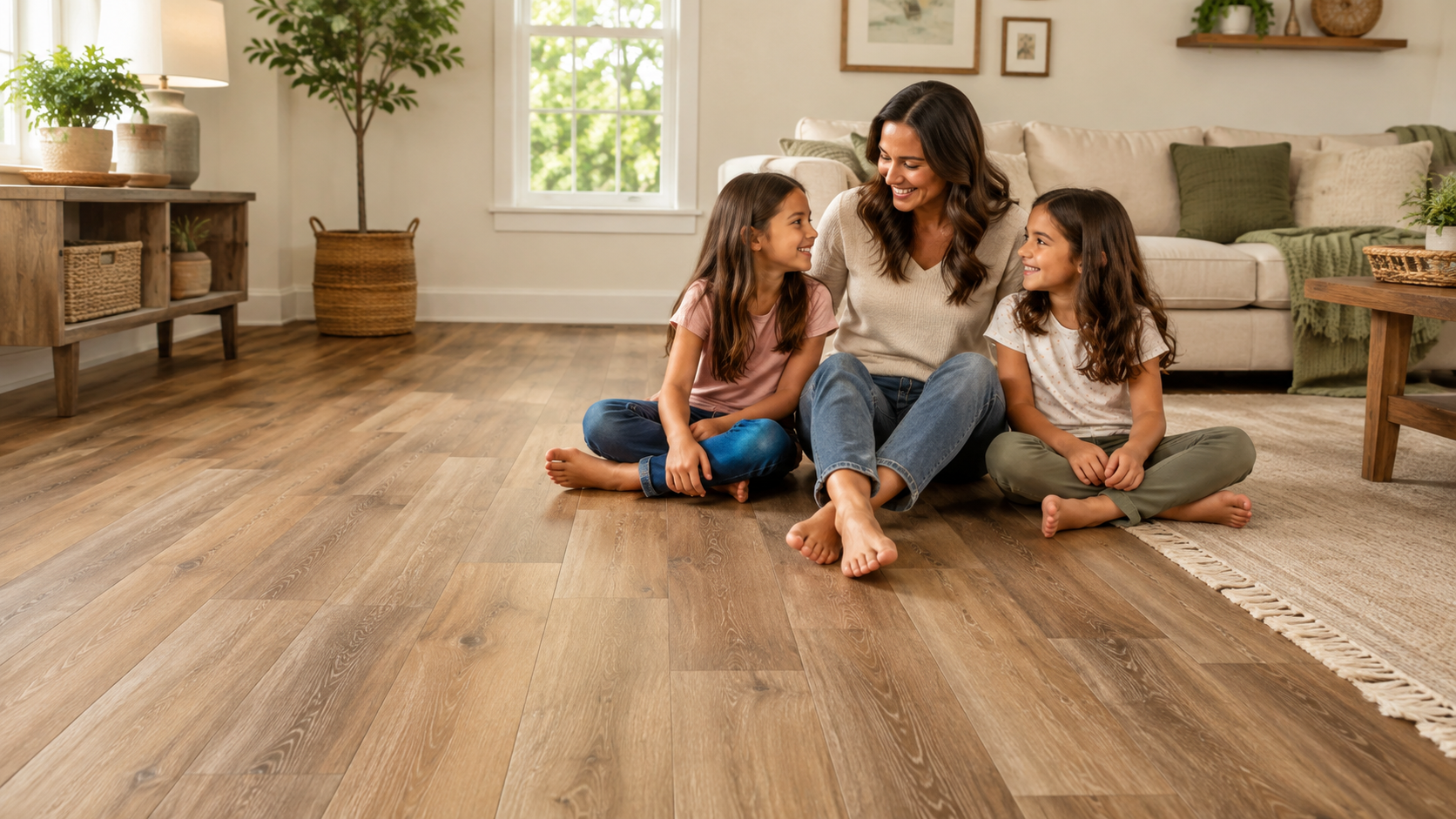
Luxury vinyl plank flooring has gone from a budget-minded alternative to hardwood into one of the most popular flooring choices for busy homes. Known as LVP, the material combines realistic wood looks with durability, relatively easy installation and low-maintenance care.
For households with pets, children, muddy shoes or the occasional spilled drink, LVP can solve a surprising number of everyday flooring headaches. It is not perfect, however. Depending on the product, room and installation, a couple of quirks may become more noticeable after you have lived with it for a while.
Here are five things you are likely to love about LVP — and two you might not.
1. It is remarkably easy to keep clean.
One of LVP’s biggest advantages is how little effort it takes to maintain. Routine cleaning generally means sweeping, vacuuming or using a microfiber mop to collect dust, pet hair and grit. For most messes, a damp mop is enough.
Unlike natural hardwood, LVP does not need polishing, waxing or refinishing. You also do not have to panic every time a dog comes inside with damp paws or someone spills a glass of iced tea.
That makes it particularly appealing in kitchens, entryways, family rooms and other high-traffic spaces where pristine flooring has a short life expectancy.
The relatively smooth surface also means dirt does not become deeply embedded the way it can in carpeting. If you are replacing older carpet, the difference in everyday cleaning can feel dramatic.
2. Water is much less frightening.
Modern LVP is generally designed to handle moisture far better than traditional wood flooring. Many products are marketed as waterproof or highly water-resistant, making them practical choices for kitchens, bathrooms, basements and homes with pets.
That does not mean you should deliberately leave standing water on the floor for hours. Water can still find its way beneath planks, around edges or into the subfloor. But ordinary household spills are considerably less stressful.
For pet owners, that resilience can be especially valuable. An accident on carpet may require shampooing, deodorizing and considerable hope. On LVP, cleanup is usually far simpler.
It is one of those advantages that can make a house feel easier to live in rather than merely prettier to look at.
3. It can be surprisingly comfortable underfoot.
People sometimes imagine vinyl flooring as cold, hard and vaguely institutional. Good-quality LVP can feel quite different.
Many products include an attached underlayment or are installed over a separate pad that provides a slight amount of cushioning. The result is still a firm floor, but it may feel less unforgiving than ceramic tile or bare concrete.
Embossed textures can also make the surface feel more natural and less slick. Some planks reproduce subtle wood-grain patterns that provide enough texture to keep bare feet from feeling stuck to the flooring on warm days.
LVP will never feel like thick carpet, but homeowners who prefer a clean, hard surface may find it considerably more pleasant than expected.
4. It looks much better than vinyl used to.
Anyone whose mental image of vinyl flooring involves a shiny kitchen floor from 1978 may be surprised by current products.
Manufacturers can reproduce wood grain, knots, color variation and plank patterns with impressive realism. Some higher-end products include embossed textures aligned with the printed wood pattern, adding another layer of authenticity.
You can find LVP that resembles oak, maple, hickory, walnut and distressed or reclaimed wood, along with colors ranging from pale Scandinavian-style finishes to nearly black planks.
The illusion may not fool a flooring expert examining it from 6 inches away, but across a furnished room, a good LVP installation can provide much of the warmth and visual character people associate with hardwood.
5. It stands up well to real life.
A floor is easy to admire when nobody is walking on it. The real test begins after the furniture arrives.
LVP is popular partly because it tolerates everyday abuse reasonably well. Quality products have wear layers designed to resist scratches, stains and scuffs. That can make them useful in homes with dogs, children, rolling chairs and plenty of foot traffic.
It also avoids some of hardwood’s vulnerabilities. You do not have to worry about every claw mark, spilled drink or tiny stone tracked indoors causing permanent damage.
Of course, LVP is not indestructible. Heavy furniture can dent some products, sharp objects can gouge them and dragging furniture across the floor can leave marks. Still, for many households, it offers an appealing compromise between appearance and durability.
Then there are the drawbacks.
6. Your furniture may suddenly become surprisingly mobile.
Replacing carpet with LVP can reveal something you never realized about your sofa, chairs and tables: They would apparently like to travel.
Furniture that once stayed firmly planted in carpeting may slide easily across a hard LVP surface. Sit down enthusiastically in a lightweight chair and it may move several inches. Lean against a table and you might discover that it has migrated since breakfast.
The problem is usually easy to address with rubber furniture pads, nonslip cups or appropriately sized rugs. Still, it can take some adjustment after years of living with carpet.
Pet owners should also consider traction. Many dogs navigate LVP without difficulty, but older dogs, particularly those with arthritis or weak hind legs, may struggle on smooth surfaces. Runners and strategically placed rugs can give them secure pathways through the house.
7. Damage is harder to repair invisibly.
LVP is durable, but when a plank is badly damaged, the repair options are different from those for hardwood.
A scratched hardwood floor can sometimes be sanded and refinished. LVP cannot. The printed and protective layers are part of the plank, so deep gouges generally mean replacing the affected piece.
That replacement can be simple or frustrating depending on where the damaged plank is located and how the floor was installed. Click-lock floating floors may require removing several rows of flooring to reach a plank in the middle of a room.
For that reason, keeping an unopened box or two of leftover flooring is wise. Styles and colors change frequently, and finding an exact match several years later can be difficult.
Even with those limitations, LVP has earned its popularity. It offers an unusually practical combination of good looks, moisture resistance, durability and easy care.
Perhaps its greatest advantage is that it allows homeowners to spend less time worrying about their floors.
And for a surface that gets walked on, spilled on, scratched, shed upon and occasionally used as a racetrack by pets, that may be the feature worth appreciating most.
========
, everyday design and making houses easier to live in. She has a particular interest in household materials that balance comfort, durability and reasonable cost. This article was written, in part, utilizing AI tools.






Comments