
The God Squad: Passover for Christians
During the winter holiday season of Christmas and Chanukah, I offered some thoughts on what Christians can learn from Chanukah and what Jews can learn from Christmas. Now, as the world and our spiritual rhythms awaken to spring, I offer again an interfaith offering of what Christians can learn from Passover and what Jews can learn from Easter. The point of all this is not to get pious people to change sides but rather for them to understand the other side and what truths we can glean from our own religion by shining a light on our neighbor’s faith. Another way to state my goal here is found in I Corinthians 12:4-11,
There are different gifts but the same Spirit.
There are different ministries but the same Lord.
There are different works but the same God who accomplishes all of them in everyone … it is one and the same Spirit who produces all these gifts, distributing them to each as He wills.
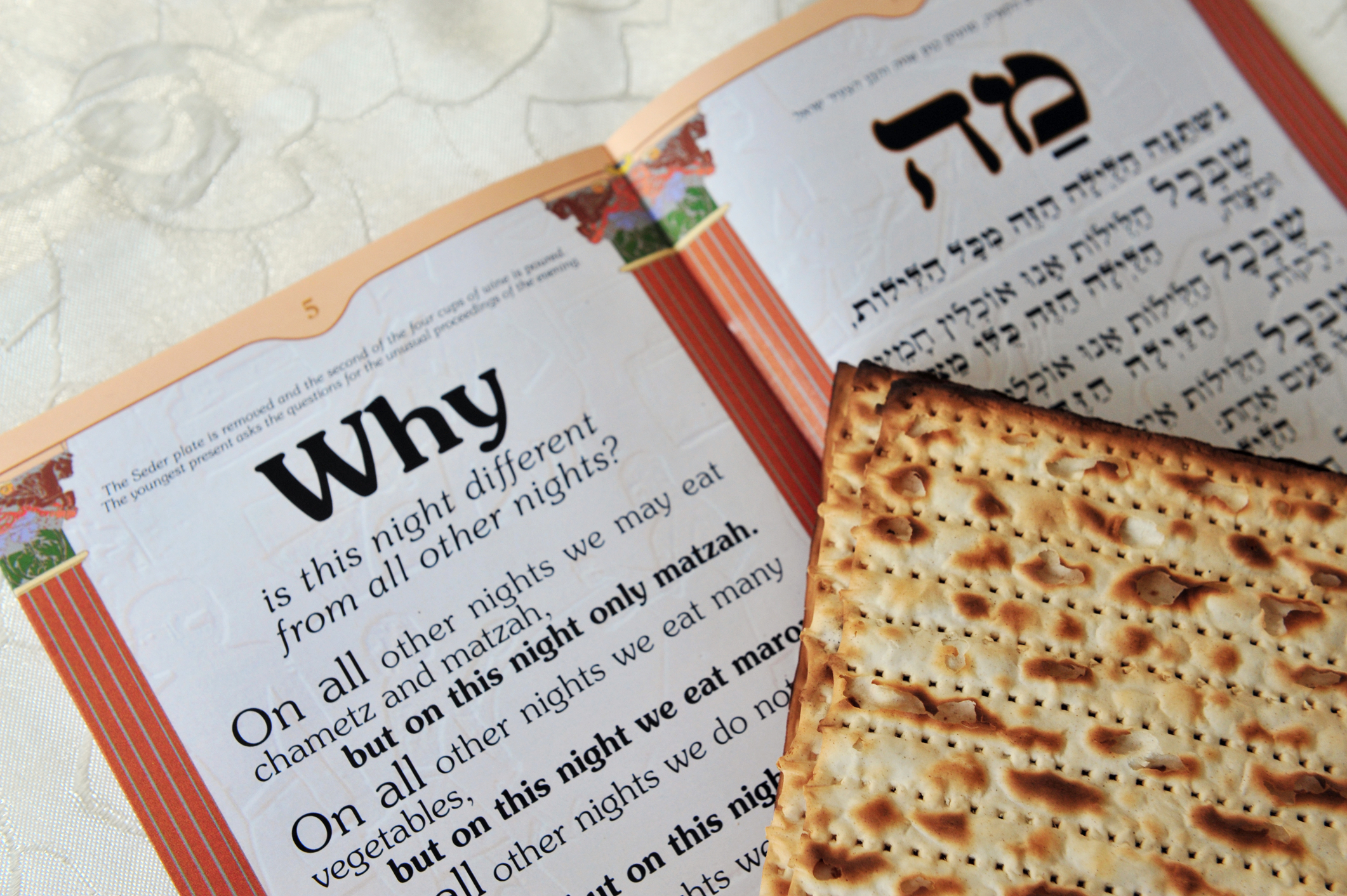
The relationship between Christianity and Passover is deep and strong. Because the date of Easter is calculated on a lunar calendar, as is Passover, the two holidays always occur near each other. Passover is mentioned 28 times in the Christian Testament. Three of the four gospels Matthew, Mark and Luke remember the Last Supper as a Passover meal. The Gospel of John teaches that the Last Supper occurred just before Passover but not on the first night when the seder meal is shared, along with its script called the Haggadah.
What are the Passover teachings that were used to clarify Jesus’ role as the Messiah?
The first connection is the Christian interpretation of the Passover matzah bread and the four cups of Passover wine. The Passover bread and wine is eaten FOR God, but the Last Supper is eaten OF God. Matzah is just bread, but it is a bread that recalls the unleavened bread eaten in haste during the exodus from Egypt. In the Eucharist meal the bread (also unleavened) is transformed into the body of Christ. The wine in Passover is also just wine, but it is a celebration of God’s promises in Exodus 6. The wine in the Eucharist meal is transformed into the blood of Christ. Eating for Jews is a sacred remembrance but eating for Christians is a sacred re-enactment.
Both Passover and Easter celebrate miracles, but Passover does this by remembering the miracle of freedom from bondage and Easter celebrates the miracle of freedom from sin. These are two very different freedoms but both of them – freedom from bondage and freedom from sin – are essential for human flourishing. Both freedoms are the result of God’s intervention through the life of a messenger. In Judaism that messenger is a leader and in Christianity that messenger is a Messiah.
Both Passover and Easter are about gratitude to God. I created this daily prayer which sends me on my way each morning,“Thank you, God, for allowing me to see your blessings, and to live a life of gratitude and charity as a way of honoring my debt to your loving kindness.”
The focus on gratitude in Passover is different from Easter gratitude. As the poet Anne Lamott describes it, The message in Passover is, Thank you, thank you, thank you and the message in Easter is Help me, help me, help me.
The Dalai Lama in an introduction to one of our books puts the connection between Passover and Easter into the larger context of the connection between all the world’s religions,
Human beings naturally possess different interests. So, it is not surprising that we have many different religious traditions with different ways of thinking and behaving. But this variety is a way for everyone to be happy. If we have a great variety of food, we will be able to satisfy different tastes and needs. When we only have bread, the people who eat rice are left out. And the reason those people eat rice is that rice is what grows best where they live. Because the important point of all the different religious traditions is to be helpful, we must maintain harmony and respect between them. This will benefit not only the followers of each religion but will make our own neighborhoods and countries more peaceful.
Happy Passover
A Zessen Pesah
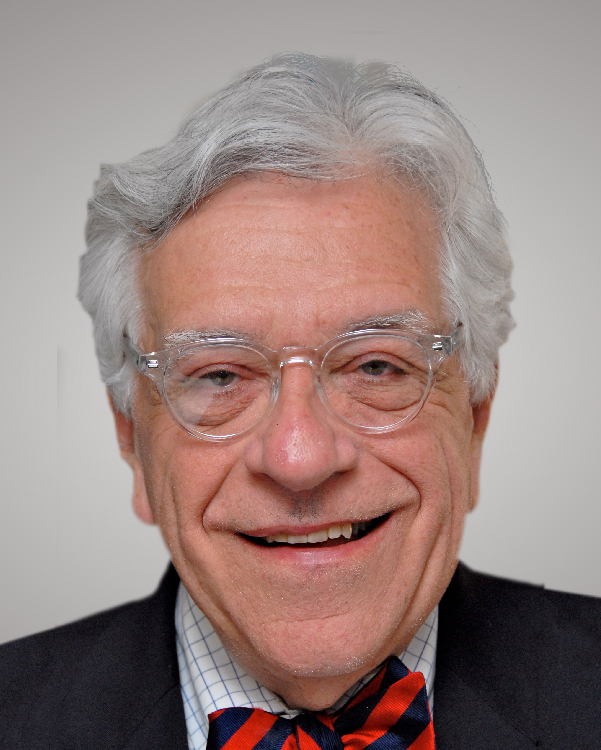
(Send ALL QUESTIONS AND COMMENTS to The God Squad via email at godsquadquestion@aol.com. Rabbi Gellman is the author of several books, including “Religion for Dummies,” co-written with Fr. Tom Hartman. Also, the new God Squad podcast is now available.)
©2026 The God Squad. Distributed by Tribune Content Agency, LLC.
(c) 2026 THE GOD SQUAD DISTRIBUTED BY TRIBUNE MEDIA SERVICES, INC.






Comments