Why Trump's trade war may benefit Canada in the long run
Published in News & Features
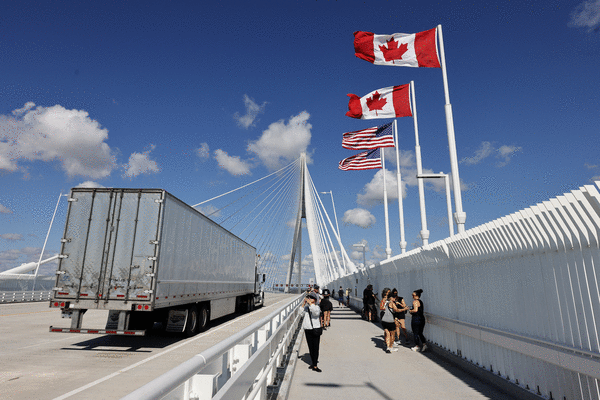
For more than six decades, the Canadian and U.S. economies have been closely linked. Trade agreements lowered barriers and supply chains extended seamlessly across a long, undefended border.
Then came Donald Trump and his global trade war, exposing for Canada just how vulnerable those ties have made it. While Trump’s tariffs have fueled inflation for American consumers, they have caused significant pain for Canadians, too. And anger.
But a once-unthinkable betrayal by a traditional ally may be a historic opportunity. Prime Minister Mark Carney is seeking to diversify relationships both economic and political to put more daylight between Canada and its chaotic neighbor to the south.
When Trump started targeting Canada trade in his first term, then-Prime Minister Justin Trudeau took a hard line. For his part, Carney first tried a conciliatory approach. But as trade negotiations failed, the former Bank of England governor pivoted. He joined Chinese President Xi Jinping as one of the few leaders willing to retaliate against Trump’s levies, imposing counter-tariffs on $20 billion of American products.
Though Carney’s response raised prices in Canada, his poll numbers went up — helped in part by Trump’s belligerence. His musings about Canada becoming the 51st state or renaming Lake Ontario turbocharged public outrage.
Canadians took 25% fewer trips to the U.S. last year, and scattered boycotts of American-made goods have appeared. Some Canada retailers including government-run liquor stores have pulled U.S. booze from shelves. Carney struck a deal with China that allowed for a quota of Chinese-made electric vehicles to enter the country. He even floated the idea that one day, such cars could be manufactured domestically.
Meanwhile a pipeline expansion completed in 2024 has enabled Canada to substantially increase oil shipments to Asia and parliament has fast-tracked plans for a new pipeline. Carney also seeks closer ties to Europe, with European Commission President Ursula von der Leyen proposing Canada become the EU’s first “associate member.”
It’s all part of what Carney calls “strategic autonomy” — new markets, new defense relationships and partnerships to help insulate Canada from Washington’s whims. Wherever it leads, the symbolism is hard to miss.
_____
©2026 Bloomberg News. Visit at bloomberg.com. Distributed by Tribune Content Agency, LLC.






Comments