Rural women in Colorado and nationwide are at higher risk for cervical cancer – at-home test kits can help close the gap
Published in News & Features

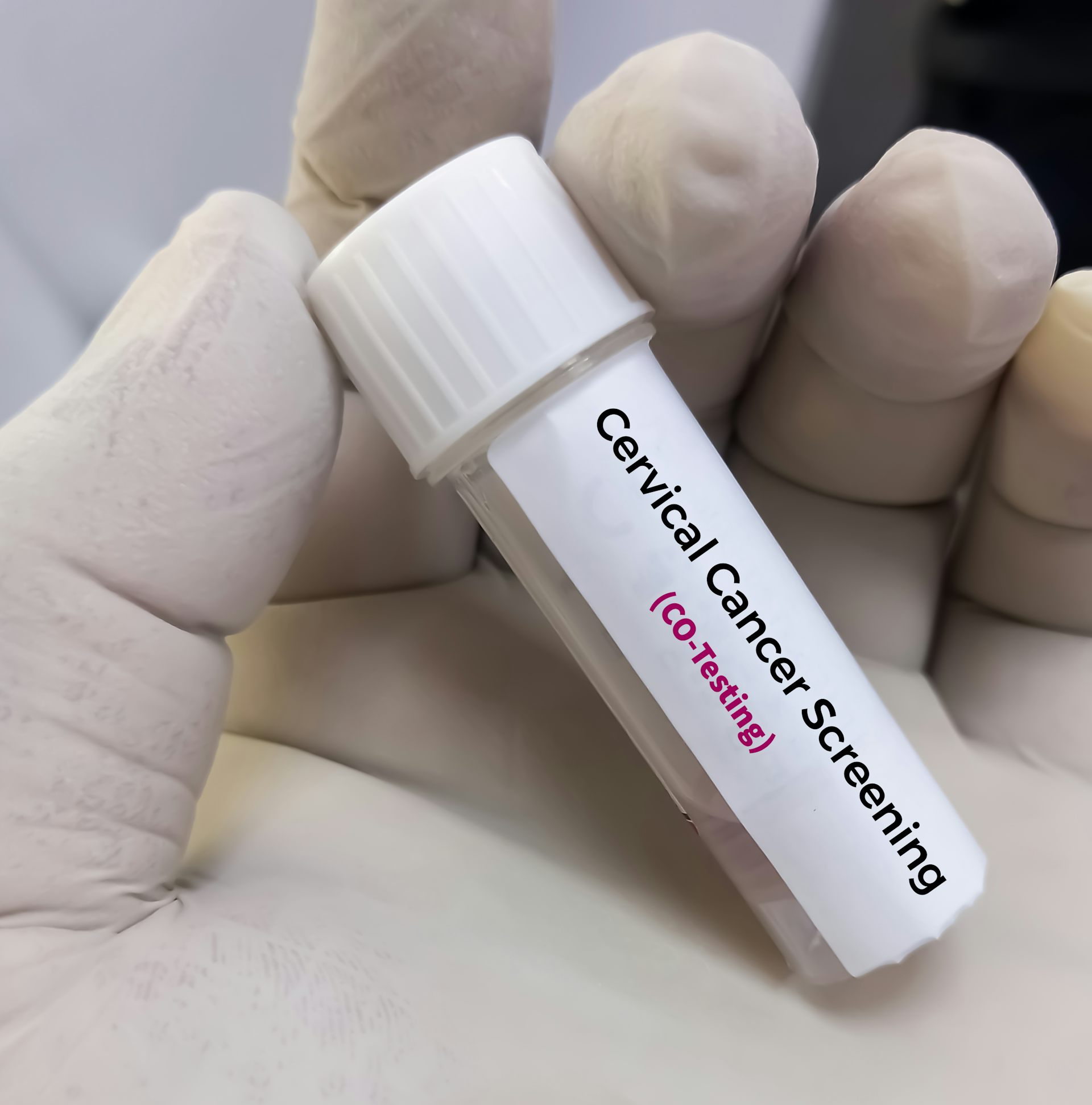

With vaccines and regular screening, cervical cancer is one of the most preventable cancers.
Yet women living in rural areas of the United States have a 25% higher rate of cervical cancer – and a 42% higher rate of death from the disease compared to urban women.
In Colorado, rural counties such as Prowers, Moffat and Montrose have almost three times the rate of cervical cancer than urban counties.
Nationwide, 13,000 women are diagnosed with the disease and more than 4,000 die from it each year. In Colorado, the most recent data available indicated that almost 150 women were diagnosed with cervical cancer in 2023, and, on average, more than 40 women die annually.
While overall numbers of diagnoses and deaths nationwide have decreased over the past 20 years, rural women are more likely to be diagnosed at a later stage of disease, meaning chemotherapy and radiation treatments may be necessary to treat their disease.
My research and clinical expertise in gynecology and obstetrics specifically aim to tackle this troubling health disparity. I study lower genital tract precancers from human papillomavirus, or HPV. As part of a team of researchers across the U.S., I participated in a clinical trial that led to the first FDA-approved at-home HPV test.
The development of an at-home test is a game changer. It can bring screening to a broader spectrum of women, hopefully catching those who have precancerous changes early enough to prevent the progression to cancer.
But eliminating cervical cancer will require ensuring that women can access not only screening but also vaccines and any necessary follow-up diagnostic procedures and treatments.
For rural women, access to healthcare clinics for routine screenings may be limited. A visit to a qualified professional for a cervical exam and Pap test can require half a day or longer in travel and wait times. In a recent study, women in rural counties were 20% less likely to be up to date on cervical cancer screening.
In 2025, the U.S. Food and Drug Administration authorized the Teal Wand for at-home self-collection. Federal and medical organizations have since included self-collection as part of routine screening recommendations. My university received funding from Teal Health to support research. I was a site investigator, but I have no shares in the company or any patents, and I have never received any money directly from Teal.
Women can now also do a test during a visit to their primary care doctor even if that doctor does not perform pelvic exams. That means patients do not need to see a gynecologist to get screened.
Nearly all cervical cancers are caused by persistent viral infections from HPV. These infections most frequently occur through sexual contact. At-home screening tests check for infection, which means clinicians can identify women at risk of developing cervical cancer before the disease occurs.
During self-collection, women use a simple swab to collect a vaginal sample. That swab is mailed to the lab and then tested for HPV.
Studies have shown that when FDA-approved HPV tests are used, self-collected samples are as reliable as clinician-collected samples for detecting cervical precancer.
Studies show that self-collection tests for HPV can help decrease barriers to care for rural communities. A study across four Appalachian state regions – Ohio, West Virginia, Kentucky and Virginia – found that screening increases when women are mailed a self-collection kit. Appalachia, a largely rural geographic region that is underserved in terms of access to healthcare, has documented disparities in cervical cancer rates.
Underscreened patients across these four states were randomly chosen to either receive the usual care, a mailed reminder letter to go to a clinic or a mailed HPV self-collection kit. The study showed a threefold increase in screening rates: 5% with the reminder and 15% with the mailed kits.
Another study in Washington state showed similar results, with an increase in screening of overdue individuals by more than 15% in mailed kits versus education alone.
Statewide initiatives in Alabama, with the Operation Wipe Out project, and in Texas, with the Lone Star Cervical Cancer Elimination Plan, use self-screening as part of a strategy to eliminate cervical cancer.
In Colorado, I am part of a team working to implement a similar plan that we hope to initiate in 2027.
Studies in Europe have shown that self-collection has increased access to care, improved screening rates and reduced screening costs. Long-term evidence demonstrates these programs are effective: Many countries began using them as early as 2017.
Making screening easier is only the first step toward preventing cervical cancer. Even in the Appalachian study, fewer than 15 out of 100 women who received mailed HPV self-collection kits completed screening.
In short, removing the need for a clinic visit does not address all the barriers to preventing this disease.
HPV vaccines are the single strongest tool for preventing cervical cancer. Vaccinations are recommended for adolescents ages 9-14 before they are exposed to HPV. If given under age 15, two shots six months apart are required. No booster is needed. Individuals who do not receive the vaccine before turning 15 can get a “catch-up” vaccine as a three-shot series up to age 45.
For women who test positive for high-risk HPV, additional testing may be necessary to identify precancerous changes in the cervix. In rural communities, accessing these services can be even more challenging than obtaining screening.
Mobile clinics can bring services closer to patients. Training more clinicians to provide colposcopy services could improve access to diagnostic care. Colposcopy is an exam in which a healthcare provider uses a lighted magnifying instrument to look closely at the cervix for abnormal or precancerous changes. A small tissue sample may be taken for diagnostic testing.
Patient navigators and community health workers can also assist women in overcoming barriers to care. A patient navigator is a trained professional who helps overcome roadblocks by providing education, coordinating services, connecting patients with resources and supporting them through the healthcare system to ensure timely access to care.
Rural women in Colorado and elsewhere urgently need a concerted effort from statewide programs and health centers to decrease the incidence and deaths from this disease.
No one should die from cervical cancer.
This article is republished from The Conversation, a nonprofit, independent news organization bringing you facts and trustworthy analysis to help you make sense of our complex world. It was written by: Christine Conageski, University of Colorado Anschutz
Read more:
A simple way to promote HPV vaccination among Asian American women: Storytelling
Some cancers are preventable with a vaccine – a virologist explains
Race, gender and the ways these identities intersect matter in cancer outcomes
Christine Conageski received research funding from Teal Health, Inc. She is affiliated with the American Society for Colposcopy and Cervical Pathology (ASCCP).







Comments