Why do farts smell so bad? A microbiologist explains the odors brewing in your gut
Published in News & Features
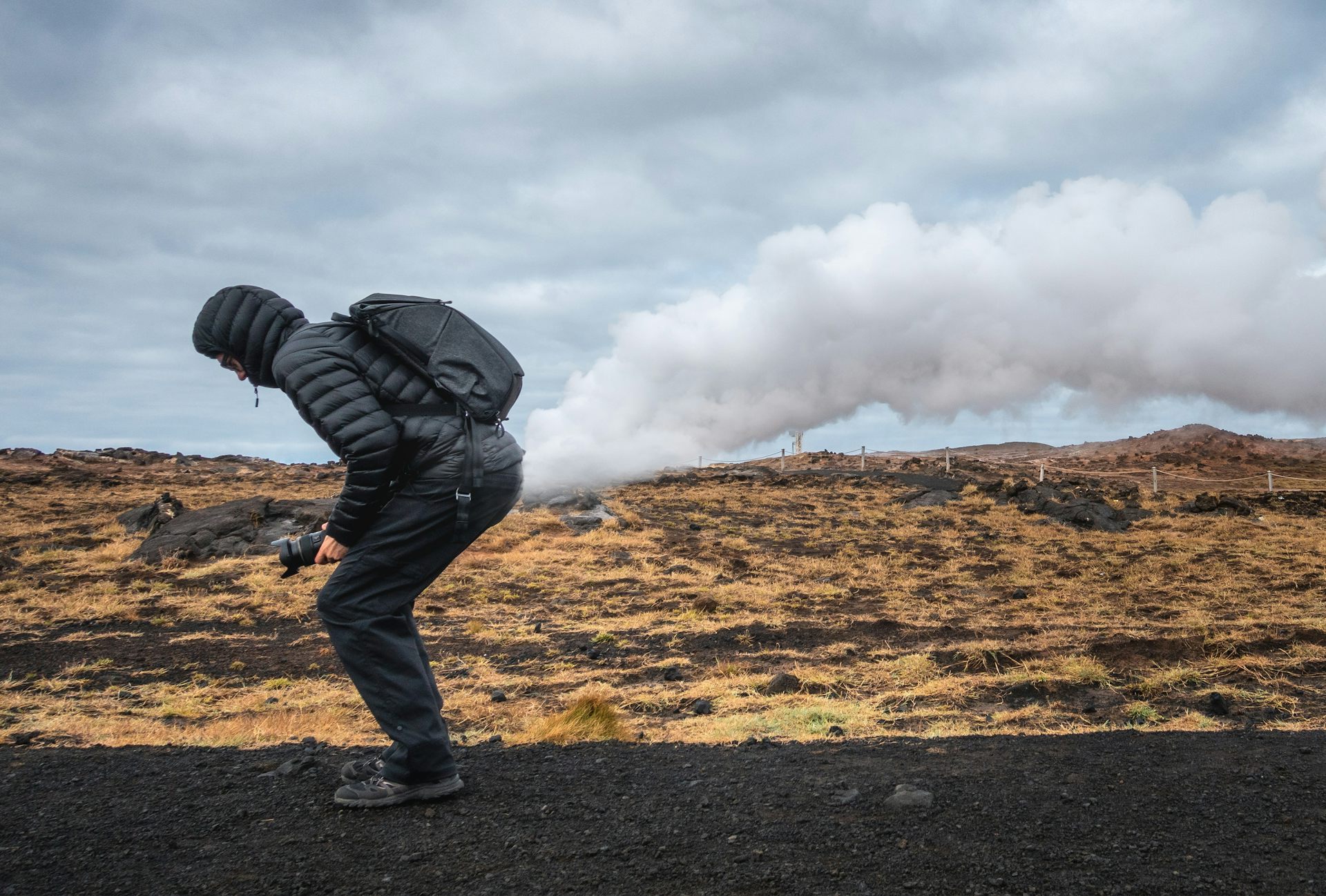


Curious Kids is a series for children of all ages. If you have a question you’d like an expert to answer, send it to CuriousKidsUS@theconversation.com.
Why do farts smell so bad? – Daisy, age 7, New York, New York
A healthy person farts about 14 to 20 times each day. All together, that’s enough gas to fill a super stinky party balloon.
Farts are made of gases that are produced by trillions of tiny organisms called microbes, mostly bacteria, that live in your gut. These organisms have an important job: They help chew up food that your stomach cannot break down on its own. In the process, they act like mini chemical factories that provide you with nutrients while releasing waste gases into your gut. These gases mix with air you swallow and other gases that you make during digestion. After passing through the intestines, they come out in bursts as farts.
As a microbiologist, I study communities of bacteria, called microbiomes, in various regions of the human body. The microbiome in your gut plays an important role in your health. Producing gases is a sign that bacteria in the gut microbiome are doing their job properly. Farting also relieves pressure in your belly and prevents painful bloating and cramping.
So you might wonder: Why does a normal and healthy body process cause such a bad stink?
Farts are mostly made up of the same odorless gases found in the air we breathe.
Anywhere from 20% to 90% of a fart’s volume consists of nitrogen, which makes up more than three quarters of air. Up to 10% of a fart is oxygen, which humans need in order to breathe. Up to 30% is carbon dioxide, up to 50% is hydrogen, and up to 10% is methane. Microbes produce most of the carbon dioxide, hydrogen and methane, though some of the carbon dioxide is made when digestive juices mix with stomach acid.
But wait: These are not the gases that give farts their delightful array of aromas. What makes farts so malodorous is other gas molecules that contain the element sulfur. Pure sulfur has no smell on its own, but when combined with other elements it makes molecules that reek.
One key culprit is hydrogen sulfide, which is famous for smelling like rotten eggs. Others include methanethiol, which has a bouquet of cabbage, sewage or skunk spray, and dimethyl sulfide, which hits the nostrils with scents of cooked corn, algae or seafood.
Only tiny amounts are required: One molecule of hydrogen sulfide among 1 million other gas molecules has enough power to do the job. That’s equivalent to one kernel of corn in a truckload of about 1,250 ears, or 10 bricks out of all the bricks that make up the Empire State Building in New York City. Other sulfur-containing gasses can be sniffed out at even more minuscule amounts.
The main thing that determines which gases and how much of them are in your farts is what food your gut microbiome gets to eat.
Some types of foods often referred to as junk food, including candy or diet foods containing artificial sweeteners or syrups, can change the way microbes digest food. High-fiber foods such as beans and grains also have this effect. These foods can cause your body to produce more farts that often are bigger and louder.
However, the loudest fart is not always the stinkiest one. It’s the ones that contain sulfur that pack a smelly punch.
Food is a key source of amino acids, nutrients that build proteins the body needs to function and grow. Two amino acids, methionine and cysteine, contain sulfur, and they are plentiful in meat, dairy, eggs, and to a lesser degree, beans and grains. Some foods – most notably, vegetables such as cabbage, broccoli, Brussels sprouts and cauliflower – contain other molecules that also have sulfur in them.
When you eat sulfur-rich foods, your gut microbes digest them to produce sulfur-containing gases. That can lead to some putrid farts, with the precise smell tuned to your diet – as well as your overall health. In fact, persistent foul-smelling gas can be a sign of illness, such as irritable bowel syndrome or food intolerance or sensitivity, which you might need to see a doctor about.
As you might know from experience, it’s impossible to hold in a fart until it goes away. It will come out somehow – sometimes at speeds up to 10 feet per second, according to back-of-the-envelope estimates, including my own. This rush of gas exiting the body makes the surrounding tissue vibrate, often causing an embarrassing noise.
Farting has been the butt of jokes for millennia. According to the Guinness book of world records, the oldest joke ever written down was a popular proverb dating back about 3,900 years that warned new husbands about their wives’ farts. The popularity of fart jokes remains strong. In the 2010 movie “Despicable Me,” for example, mad tech wizard Dr. Nefario mis-hears his boss’s demand for a dart gun, instead creating a fart gun, or Fart Blaster, that’s now a real-life popular toy.
But sometimes this natural body process can be a real bummer – like on an airplane. Cabin pressure in flight is often lower than normal air pressure on the ground, which can cause the gas in your gut to expand, spurring more farts. To protect the noses of travelers trapped together in the friendly skies, researchers designed seat cushions and blankets that contain sulfur-absorbing substances, such as activated charcoal. So far, no airlines have adopted these funk-reducing technologies, but you can buy them yourself.
Despite farts’ assault on the senses, your ability to detect them means your nose is doing exactly what evolution designed it to do: act as a chemical sensor for sulfur-containing gases. People can detect hydrogen sulfide and methanethiol at minuscule concentrations, even when there is less than one molecule of these compounds amid billions of other molecules.
These smells can signal the presence of rotting substances and bacterial activity that might harbor pathogens that can make you sick, or deadly environments such as swamps, stagnant caves and volcano vents that can suffocate and kill you.
So the next time you lay a fart that’s pungent enough to clear the room, don’t apologize – just say you’re conducting a live demonstration of natural chemistry that took eons of evolution to perfect.
Hello, curious kids! Do you have a question you’d like an expert to answer? Ask an adult to send your question to CuriousKidsUS@theconversation.com. Please tell us your name, age and the city where you live.
And since curiosity has no age limit – adults, let us know what you’re wondering, too. We won’t be able to answer every question, but we will do our best.
This article is republished from The Conversation, a nonprofit, independent news organization bringing you facts and trustworthy analysis to help you make sense of our complex world. It was written by: Brenda A. Wilson, University of Illinois Urbana-Champaign
Read more:
For veterans with mild traumatic brain injury, a restaurant or other noisy environment can feel like a battlefield
Why is my poop brown?
Poop has been an easy target for microbiome research, but voyages into the small intestine shed new light on ways to improve gut health
Brenda A. Wilson does not work for, consult, own shares in or receive funding from any company or organization that would benefit from this article, and has disclosed no relevant affiliations beyond their academic appointment.







Comments