Daylight saving time comes right after Halloween. A coincidence?
Published in News & Features
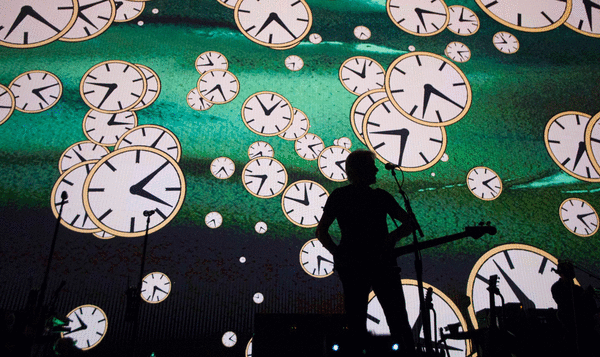
DETROIT — Daylight saving time will end this Halloween weekend at 2 a.m. Sunday, Nov. 1, 2026, when clocks turn back one hour.
The annual “fall back” means an extra hour of sleep and a return to standard time. It also means an earlier sunset, with darkness arriving noticeably sooner in the late afternoon and evening.
And despite a push in Washington to end the twice-a-year clock changes, Americans will still need to change their clocks this fall.
The U.S. House voted 308-117 in July to approve the Sunshine Protection Act, which would make daylight saving time permanent across most of the country. But the Senate has not approved the legislation, meaning the existing federal schedule remains in place.
Under current law, daylight saving time begins on the second Sunday in March and ends on the first Sunday in November. This year, that puts the end of daylight saving time on Nov. 1.
Michigan will remain on standard time until daylight saving time begins again March 14, 2027.
Does daylight saving time end on Halloween weekend?
Yes. This year’s time change coincides with Halloween weekend, with clocks falling back just two hours after Halloween ends at midnight Saturday.
Halloween falls on Saturday, Oct. 31, and daylight saving time ends at 2 a.m. Sunday, Nov. 1. That means Halloween revelers who stay out late Saturday night will get an extra hour as clocks turn back to 1 a.m.
The timing is a calendar coincidence. Daylight saving time always ends on the first Sunday in November, but it doesn't always fall on the same weekend as Halloween. The last time the clocks changed immediately after Halloween was in 2020.
Does every state observe daylight saving time?
No.
Hawaii and most of Arizona remain on standard time year-round instead of changing their clocks. Several U.S. territories, including American Samoa, Guam, the Northern Mariana Islands, Puerto Rico and the U.S. Virgin Islands, also do not observe daylight saving time.
Michigan has debated whether to stop changing clocks. The state House approved legislation in 2021 that could have ended the seasonal changes under certain conditions, but Michiganians continue to adjust their clocks twice a year.
Congress established a national framework for daylight saving time with the Uniform Time Act of 1966. The current schedule — beginning on the second Sunday in March and ending on the first Sunday in November — took effect in 2007.
Daylight saving time shifts an hour of daylight from the morning to the evening during the warmer months. The practice has long generated debate over its effects on energy use, health, traffic safety and daily routines.
Supporters of permanent daylight saving time favor having more daylight in the evening. Critics, including sleep and medical experts, have raised concerns about darker winter mornings and the effects of daylight saving time on people's circadian rhythms.
Will daylight saving time become permanent?
Congress came closer to ending the clock changes this year.
The House passed the Sunshine Protection Act on July 14 in a bipartisan 308-117 vote. The legislation would make daylight saving time permanent, eliminating the annual November switch back to standard time for most of the country.
The measure was sent to the Senate, where it was referred July 15 to the Senate Committee on Commerce, Science and Transportation. The Senate has not passed the bill.
President Donald Trump has backed permanent daylight saving time and called for an end to the twice-yearly clock changes.
But with no change in federal law, the Nov. 1 time change remains in effect.
When does daylight saving time begin again?
Daylight saving time will return Sunday, March 14, 2027, when clocks “spring forward” one hour at 2 a.m.
Until then, Michigan will remain on standard time through the late fall and winter.
The November change brings earlier sunrises and earlier sunsets, a shift that becomes increasingly noticeable as Michigan approaches the shortest days of the year in December.
The winter solstice arrives Dec. 21, marking the shortest day of the year in the Northern Hemisphere. After the solstice, the amount of daylight gradually increases until daylight saving time returns in March.
©2026 The Detroit News. Visit detroitnews.com. Distributed by Tribune Content Agency, LLC.






Comments