How is deli meat made? The food science behind the turkey, ham and other cold cuts in your lunch
Published in News & Features
Curious Kids is a series for children of all ages. If you have a question you’d like an expert to answer, send it to curiouskidsus@theconversation.com.
How is deli meat made? – Arabelle, 17, Brooklyn, New York
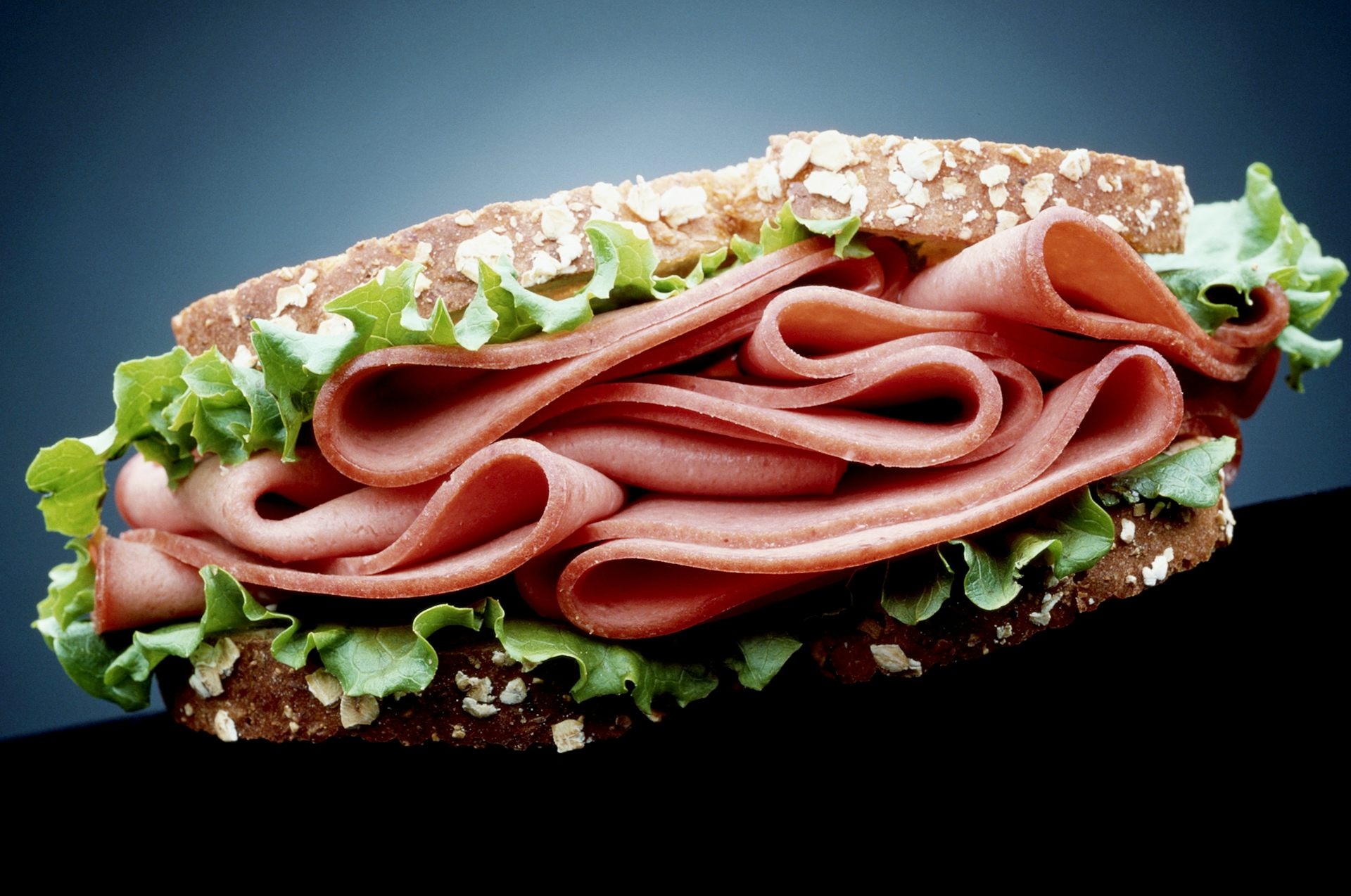
If you’ve ever eaten a ham or turkey sandwich for lunch, then you’ve probably eaten deli meat. Sometimes called lunch meat, deli meat is a kind of meat that has been cooked, preserved and sliced so it is ready to eat in your favorite sandwich, wrap or salad.
In the United States, common deli meats include ham, turkey and roast beef, but around the world there are many others, such as salami, pepperoni, capicola and even head cheese. Although they taste different, they’re all made in similar ways.
Believe it or not, I’m a meat scientist. I study how meat is turned into foods such as deli ham and how to make those foods safe, tasty and nutritious.
Let’s follow one ham from pig to sandwich. We’ll use ham because it is my mom’s favorite.
Ham starts out as the back leg of a pig. But by the time it’s finished, those muscles have been flavored, cooked, cooled and sliced so thin that they can be folded into a sandwich in just a few seconds. The process starts by removing the bones from the ham and separating the raw meat into large pieces.
This meat gets a bath in a salty mixture called a brine. Lots of tiny needles inject the brine deep into the meat, helping it soak in evenly. Then the ham pieces rest so they can soak up all those ingredients, almost like a sponge soaking up water.
Next, several pieces of ham are placed into a net or special food-safe casing that holds them together while they cook. That’s what gives ham its familiar round or oval shape. The ham is cooked in a smokehouse, like a large oven. Some hams are cooked with real wood smoke, giving them a smoky flavor, like when you roast a hot dog over a campfire. That smoky flavor can also be created by using liquid smoke, which is made by capturing smoke from burning wood and mixing its flavor compounds into a liquid.
After cooling off from the smokehouse, hams are ready to slice. Some are sliced and packaged at the processing plant. Others are shipped whole to grocery stores, where they are sliced to order at the deli counter. Same process, just a different order. Either way, ham is fully cooked and ready to eat, although I like mine warmed up in a grilled ham and cheese panini.
Other types of deli meats follow this same process with a few differences in the details. Like ham, deli chicken is made from pieces of chicken that are pressed together while cooking. But deli turkey or roast beef is typically made from individual roasts that are seasoned, cooked and then thinly sliced. Bologna is made by finely chopping meat and shaping it before cooking it. That’s why each slice has such a smooth, even appearance.
Much of what makes deli meat look, taste and feel the way it does comes down to chemistry. The ingredients in the brine interact with the meat in different ways, affecting its flavor, color and texture while also helping keep it safe to eat.
Salt adds flavor and helps slow the growth of microorganisms that would spoil the meat. In fact, people have been using salt to preserve meat for thousands of years, long before refrigerators were invented.
Sugar balances the salty flavor, while ingredients such as honey, maple syrup or spices help create different flavors of deli meat. Phosphates help the meat soak up and hold onto water while cooking – because no one likes a dry ham sandwich.
One especially important ingredient is nitrite. It has two big jobs in deli ham. First, it reacts with a protein in meat called myoglobin to give ham its familiar pink color. Without nitrite, cooked ham would look grayish-brown instead of pink.
Second, and even more important, nitrite helps prevent dangerous bacteria, including one that causes a deadly disease called botulism, from growing in meat. So, the pink of ham isn’t just pretty, it’s also about safety.
The use of nitrites in foods has raised some health concerns because, under certain conditions, they can form compounds that have been linked to cancer. Scientists continue to study when and how these compounds form and how they affect health.
There are reasons deli meats have been popular for so long. Preserving and cooking meat helps it last longer before spoiling. You can generally keep an unopened package of deli meat in the refrigerator for about two weeks, but once opened, it should be eaten within three to five days. Deli meat is also convenient. Because it is already cooked, you can take it straight from the refrigerator and put it on a sandwich.
Like all foods, deli meats contain a mixture of nutrients – some that the body needs in larger amounts and others that it needs in smaller amounts. Deli meats, like most meats, are a good source of protein, which helps build muscle, and iron, which carries oxygen through the bloodstream, delivering it to tissues around your body. Deli meat also contains fat, which provides energy for your body and is an important building block for your cells. The amount and type of fat can differ depending on the deli meat.
Bologna or salami, for example, can contain more saturated fat. Eating a lot of saturated fat over time can increase the risk of heart disease.
Some deli meats can also contain quite a bit of salt. Salt contains sodium, which the body needs, but too much sodium can be harmful. That’s why meat scientists are studying ways to make deli meats with less sodium while still keeping them tasty and safe to eat.
So, the next time you bite into a ham sandwich, remember that you’re eating much more than a slice of meat. You’re tasting a little chemistry, a little biology and hundreds of years of food science that help make deli meat safe, tasty and ready to eat.
Hello, curious kids! Do you have a question you’d like an expert to answer? Ask an adult to send your question to CuriousKidsUS@theconversation.com. Please tell us your name, age and the city where you live.
And since curiosity has no age limit – adults, let us know what you’re wondering, too. We won’t be able to answer every question, but we will do our best.
This article is republished from The Conversation, a nonprofit, independent news organization bringing you facts and trustworthy analysis to help you make sense of our complex world. It was written by: Anna Dilger, University of Illinois Urbana-Champaign
Read more:
How Spam became one of the most iconic American brands of all time
What is listeria? A microbiologist explains the bacterium behind recent deadly food poisoning outbreaks
Parsing which foods are healthy and which are less so isn’t always straightforward – a new rating system aims to demystify the process
Anna Dilger receives research funding from the National Institute of Food and Agriculture, the National Pork Board, and companies that are involved in pork and meat production. She is also a member of the Board of Directors of the American Meat Science Association.







Comments